Larkya La Pass Guide: Everything to Know Before You Cross
The alarm usually goes off well before sunrise on the day you cross Larkya La. It is cold outside, the teahouse is quiet, and most trekkers are already thinking about the long day ahead. You have spent several days walking through the Manaslu region to reach this point. Now comes the highest and most demanding part of the adventure.
Larkya La Pass is the highest point during the Manaslu Circuit Trek at 5,106 m (16,752 ft.). Crossing it does not require technical climbing skills, but it does require good preparation, proper acclimatization, and a steady pace. The walking journey from Dharamshala to Bhimthang takes around 8 to 10 hours, with a long climb followed by an even longer descent.
This guide explains what the route is like, what to expect on the day of crossing, and how to prepare for the pass.
What Is Larkya La Pass?
Larkya La, also written as “Larke La,” is a high-altitude mountain pass located in the Gorkha district of Nepal. It is the crowning point on the Manaslu Circuit. The Manaslu Circuit is a fascinating trekking route in the Manaslu region. Mt. Manaslu (8,163 m), the eighth-tallest mountain in the world. It gives an off-the-beaten-path experience throughout the trek.
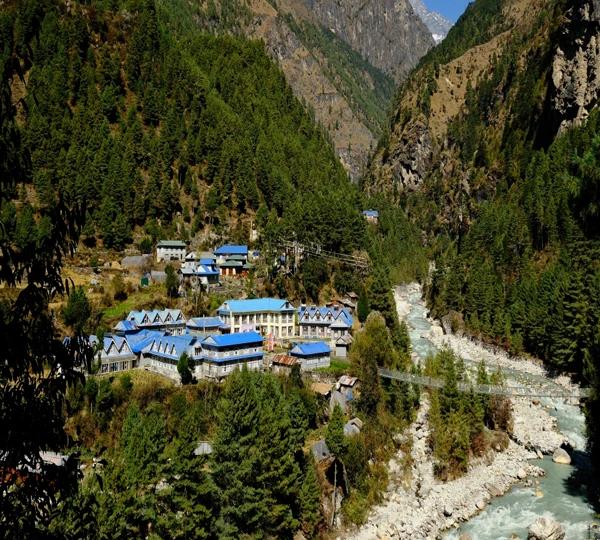
The trail follows the Budhi Gandaki River through forests, small settlements, and narrow valleys. It then ascends toward the Buddhist and Tibetan-influenced settlements of Samagaon and Samdo. Beyond these villages, the landscape becomes more open and alpine. You cross Larkya La and descend to Bhimthang. The charming scenery changes again as forest and greener valleys return.
The Manaslu region sees fewer trekkers compared with the busier Annapurna and Everest region. It is a secluded place for trekking. Its small settlements, traditional villages, and remote mountain sections are a big part of its appeal. You can read more about the wider route in a complete guide to the Manaslu Circuit Trek.
Larkya La Pass at a Glance
| Detail |
Information |
| Pass Altitude |
5,106 m (16,752 ft.) |
| Starting Point |
Dharamshala (Larkya Phedi) 4,475 m |
| Ending Point |
Bhimthang 3,590 m |
| Climb to the Pass |
Around 631 m |
| Descent from the Pass |
Around 1,516 m |
| Walking Distance |
Approximately 14 to 15 km |
| Crossing Time |
Around 8 to 10 hours |
| Usual Departure |
3 to 4 AM |
| Technical Climbing |
Not required |
Note: Distances and walking times can vary with trail conditions, weather, and individual pace.
The Manaslu Route to Larkya La Pass
The route to Larkya La Pass is part of the Manaslu Circuit Trek. Reaching Larkya La takes multiple days of gradual walking. The usual itinerary starts with a drive from Kathmandu to Machha Khola, which is around 160 km and generally takes 8 to 9 hours. Since the Nagdhunga-Sisnekhola Tunnel opened in July 2026, eligible vehicles can skip the steep, often congested section of the old Nagdhunga Hill Road at the start of the ride. The rest of the journey is still slow. After Dhading, the route continues towards Arughat, Soti Khola, and Machha Khola, where road conditions become rougher.
From Machha Khola, the trail goes through Jagat, Deng, Namrung, Lho, and Shyala. It then reaches Samagaon at 3,530 m. The gradual gain in altitude is important. You should not rush this part of the trek simply to reach the pass sooner.
Samagaon is the main acclimatization stop. Most itineraries include a rest day here, often with a short walk to a higher point before returning to sleep at the same altitude. Your guide can recommend a suitable walk based on your condition and the weather. For the complete day-by-day itinerary, distances, and accommodation details, take a look here: Manaslu Circuit Trek Package.
Price from
US$893
Off-The-Beaten-Path Route
The final approach to Larkya La is relatively short but leads you into much higher terrain.
Samdo, 3,875 m: Samdo is a small settlement close to the Tibetan border. It is the last main village before Dharamshala and a useful place to rest before moving higher.
Samdo to Dharamshala, 4,475 m: The walk from Samdo to Dharamshala is around 7 km and usually takes 3 to 4 hours. The trail passes through open, dry mountain terrain and the area known as Larke Bazaar. Although the walk is shorter than previous days, take it slowly. You are sleeping at a high altitude before one of the longest days of the trek.
Dharamshala to Bhimthang, 3,590 m: This is the pass-crossing day. You start before sunrise, walk up to Larkya La, and descend to Bhimthang on the other side.
Bhimthang to Tilije and Dharapani: After crossing the pass, the trail continues through dense forest and mountain settlements towards Tilije and Dharapani. The walk is around 19 to 20 km and can take 5 to 6 hours from Bhimthang to Tilije, depending on your walking pace and conditions.
If you have more time and interest in exploring beyond Larkya La, there are other package options available through trekking companies, such as the Manaslu Circuit Trek with Tsum Valley, which adds a visit to the sacred Tsum Valley.
Transport After Crossing Larkya La Pass
After reaching Bhimthang, the trek continues through Tilije towards Dharapani, where road transport connects with the onward journey. After Dharapani, the Manaslu Annapurna Circuit Trek lets you carry on along the Annapurna trail.
From Dharapani, trekkers can travel towards Besisahar and onward to Kathmandu or Pokhara by bus if the package is standard and private, or by luxury transport if the package is luxury. Depending on road conditions and transport arrangements, the journey can take several hours. The road may be rough in places, particularly after rainfall.
It is also sensible to keep at least one flexible day in your overall travel plan. Heavy snowfall, strong winds, or poor visibility can delay the Larkya La crossing. A buffer day gives you more flexibility if your guide recommends waiting for safer conditions. Avoid scheduling your international departure immediately after completing the trek.
Accommodation Along the Larkya La Pass Route
Accommodation on the Larkya La Pass route is mainly in local teahouses and mountain lodges. Rooms are generally simple, with twin beds, blankets, and basic furniture. Shared bathrooms are common, particularly at higher elevations. Most teahouses serve meals, so you can usually eat where you stay.
Facilities become more limited as you approach Larkya La Pass. Samagaon and Samdo have basic lodges, while Dharamshala (Larkya Phedi) offers more limited accommodation because of its remote, high-altitude location. Rooms can fill up during the main trekking seasons, and tent accommodation may sometimes be arranged when lodge space is limited.
Bhimthang, on the other side of the pass, also has teahouses where trekkers can rest after the long crossing. However, do not expect the same facilities available in Kathmandu or the lower villages. Wi-Fi, hot showers, charging facilities, and room availability vary between lodges.
If you are planning the trek, carry some cash for extra services such as hot showers, device charging, and Wi-Fi. A warm sleeping bag is also useful, especially for the overnight stay at Dharamshala.
Food, Water, and Teahouse Facilities
Teahouses along the Larkya La route serve basic meals such as dal bhat, noodles, soups, rice, potatoes, eggs, and Tibetan bread. Food choices become more limited at Dharamshala; it is best to eat carbohydrate-rich meals properly and carry a few energy snacks for the crossing day.
You can usually refill drinking water at teahouses, but always treat or purify it before drinking. It is always best to drink boiled water. Carry enough water for the long walk from Dharamshala to Bhimthang, as refill opportunities are limited during the crossing.
Facilities are basic at higher elevations. Hot showers, device charging, and Wi-Fi may be unavailable or cost extra, particularly at Dharamshala.
Mobile Network, Internet, and Cash
Mobile networks become unreliable in the remote sections approaching Larkya La. Wi-Fi may be available at some teahouses, but at the time of crossing the Larkya, it is difficult to get it. Do not depend on it. Soak yourself in the adventure rather than consuming the internet.
Carry enough NPR before leaving the lower villages. There are no dependable ATMs to withdraw money. You need cash for hot drinks, charging devices, Wi-Fi, snacks, energy bars, showers, or other personal expenses.
Larkya La Pass Crossing Day: Dharamshala To Bhimthang
The crossing day is long, and the early start is not just a matter of preference. Leaving before sunrise gives you more daylight for the climb and descent and helps reduce the risk of reaching the lower trail late in the afternoon.
The Night Before at Dharamshala
Dharamshala, also known as Larkya Phedi, is the last overnight sleeping spot before the pass. The room is basic; teahouses are made of stone or wood, and facilities are limited compared with the lower villages. During busy trekking periods, lodge rooms can fill up, and tent accommodation may sometimes be used.
Temperatures can fall well below freezing at night, sometimes to around -10°C. Keep your warm layers and sleeping bag ready rather than waiting until you feel cold. Charging facilities may be limited or unavailable, so charge your phone, camera, and power bank in Samagaon or Samdo.
Sleep can be lighter at this altitude. That is common, but do not ignore how you feel. Tell your guide if you have a headache, nausea, dizziness, or unusual tiredness. Your guide also checks your oxygen saturation and heart rate as part of monitoring your condition in the evening. These readings are useful, but they should always be considered alongside your symptoms and overall health.
Before dinner, pack the things you need during the crossing. Keep your headlamp, spare batteries, gloves, sunglasses, snacks, and water somewhere easy to reach. Eat a proper dinner even if your appetite is lower than usual because you need energy for the next morning.
The Climb in the Dark
Most groups leave Dharamshala between 3 and 4 AM. After a small breakfast, you put on your headlamp, switch it on, and follow your guide’s pace. The pace is usually slow; at this altitude, trying to walk quickly only makes the climb harder.
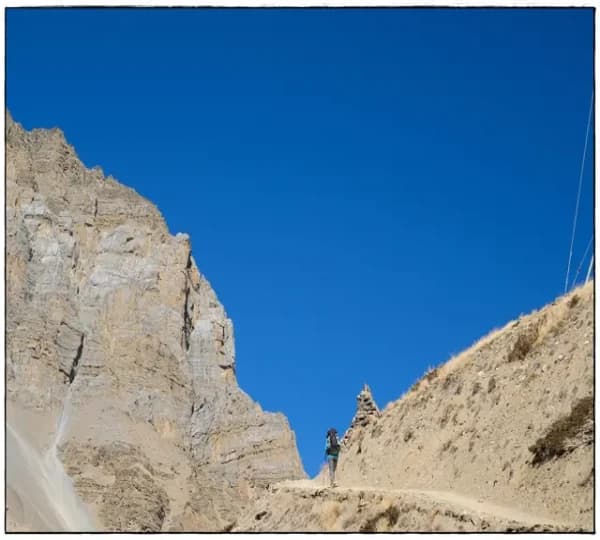
At first, you can see only the trail in front of you. The ground may be frozen, and the route passes over rocky paths and loose moraine. As you gain height, you pass a few small mountain lakes, some of them frozen depending on the season.
Gradually, the sky begins to brighten. The peaks slowly become visible, and you get a better sense of the high mountain landscape around you.
The last section towards the pass can feel steep and tiring. Keep your steps short, take regular sips of water at each pause, and follow your guide's pace. Cold hands are the usual complaint, so wear insulated gloves and keep a spare pair in your day bag. A flask of warm tea can also be welcome when the temperature drops.
Reaching the Top of Larkya La Pass
Once you reach the top, the views open towards a wide collection of Himalayan peaks. These include Manaslu (8,163 m), Himlung Himal (7,126 m), Cheo Himal (6,820 m), Kang Guru (6,981 m), and Annapurna II (7,937 m).
It is windy and very cold at the top, even when the weather has been pleasant lower down. Snow also covers parts of the trail, depending on the season and conditions.
Most trekkers stop briefly for photographs, a snack, and a few minutes to keep the views for life as a memory. Avoid spending too long at the pass. You still have a substantial descent ahead, and the temperature can feel colder when you stop moving.
The Long Descent to Bhimthang
The descent is a part of the crossing that many trekkers underestimate. From the pass, the trail drops around 1,516 m to Bhimthang. It begins with rocky and sometimes loose sections before continuing down grassy slopes and towards the valley.
Your legs may already be tired from the crossing, and the steep descent puts extra pressure on your knees and toes. Trekking poles are particularly useful here. Take shorter steps, watch your footing, and avoid rushing downhill.
Trail conditions can change with snowfall, ice, and weather. Some sections may be slippery, so follow your guide's instructions and use any additional equipment they recommend.
As you lose altitude, the air gradually becomes easier to breathe. The landscape also changes, with greener slopes and the settlement of Bhimthang eventually coming into view.
After 8 to 10 hours of walking, reaching Bhimthang is a welcome relief. Most trekkers are ready for a warm meal, a cup of tea, and a proper rest. If you arrive with enough daylight and energy, you can consider a short walk towards Ponkar Lake. Otherwise, there is no need to push yourself after such a demanding day.
How Difficult Is Larkya La Pass?
Larkya La is a difficult high-altitude crossing, but it is not a technical climb like peak climbing. You do not normally need ropes or ice axes. The challenges come from the combination of altitude, cold weather, an early start, long walking hours, and a steep descent.
You do not have to be an alpinist to complete the pass. First-time high-altitude trekkers can manage it if they have good fitness, prepare properly, and follow a suitable itinerary. Previous trekking or hiking experience is much more helpful, especially if you are not used to walking for several consecutive days. However, first-time high-altitude trekkers can also complete the route with proper preparation and acclimatization.
Start preparing several weeks before the trek. Regular hill walks, cardio exercise, and leg strengthening activities can help you build the endurance needed for the crossing. Break in your trekking boots before arriving in Nepal, as uncomfortable footwear can make a long day much harder.
Altitude sickness is another important consideration. It can affect anyone, regardless of age or fitness. Watch for symptoms such as headache, nausea, dizziness, unusual fatigue, or loss of coordination. Tell your guide immediately if you feel unwell. Do not continue ascending if symptoms are worsening. Your guide should help assess the situation and arrange a descent or medical assistance when needed.
Take a closer look at the demands of the entire route by reading this guide: How Difficult Is the Manaslu Trek? Larkya La Pass is the highlight of the trek. If you are short on time, the Short Manaslu Trek covers the same pass in fewer days, with less room for acclimatization or weather delays.
Price from
US$756
Off-The-Beaten- Path Track
Preparing for the Larkya La Pass Crossing
A successful crossing starts well before you reach Dharamshala. A few practical preparations can make the day easier
Allow enough time to acclimatize: Do not rush the approach to the pass. Choose an itinerary that gains altitude and includes an acclimatization day at Samagaon. A short walk on the rest day can help your body adjust, but the right activity depends on how you feel.
Wear suitable clothing: Temperatures can change quickly between the lower villages and the pass. Carry thermal base layers, a warm mid-layer, a down jacket, waterproof outerwear, a warm hat, and insulated gloves. Layering makes it easier to adjust as you walk.
Choose proper footwear: Always wear broken-in trekking boots with good grip and ankle support. Gaiters can help keep snow and loose material out of your boots. Trekking poles are useful for both the climb and the long descent.
Carry the essentials in your day bag: A reliable headlamp with spare batteries, UV-protection sunglasses, snacks, water, and a vacuum flask of warm water or tea are useful on a crossing day. Keep your phone and camera protected from the cold.
Bring a suitable sleeping bag: A sleeping bag rated to around -15 degrees Celsius is a sensible choice for cold nights. Rental sleeping bags are available in Kathmandu. It is best to arrange one in advance and check its condition and temperature rating.
Check your travel insurance: Make sure your travel policy covers trekking at altitudes of at least 6,000 meters and, most importantly, emergency helicopter rescue. Do not assume that a standard travel insurance policy includes high-altitude trekking or mountain rescue. Check the policy wording before departure.
Allow a buffer day: Keep at least one or two flexible days in your itinerary in case snowfall, strong winds, or poor visibility delay the crossing. This gives your guide more flexibility to wait for safer conditions without affecting your onward return journey from Nepal.
You can get a complete list of clothing, footwear, and other essentials in the Nepal trekking equipment guide
Suitable Season for Larkya La Pass Trek
March to May and September to November are known as spring and autumn. They are generally the most suitable seasons for crossing Larkya La.
Autumn is a popular time for the Larkya La Pass Trek in Manaslu. The monsoon gradually clears, visibility often improves, and daytime conditions are generally suitable for trekking. October and November are especially popular, so accommodation can be busier.
Spring brings milder temperatures at lower elevations and longer daylight hours. Snow can linger around the pass, particularly early in the season, so check conditions before crossing.
Winter is much colder. Heavy snowfall can make the pass difficult or temporarily impassable. Only consider a winter itinerary with an experienced local team and suitable flexibility.
The monsoon is generally not recommended. Rain, cloud, landslides, floods, and poor trail conditions can affect the lower route, and mountain visibility is often limited. Check out this Budhi Gandaki Floods 2026 for a better picture of the conditions after the flood.
Conditions vary from year to year, so the best season does not guarantee a clear crossing. Your assigned guide checks the weather and trail conditions before departure. Learn more with our month-by-month guide to the best time for the Manaslu Circuit trek.
Permits and Guides for Larkya La Pass
Nepal has 15 designated restricted trekking areas, covering several mountain regions and trekking routes. Popular restricted-area trekking include the Manaslu Circuit Trek, Upper Mustang Trek, Upper Dolpo Trek, Lower Dolpo Trek, Kanchenjunga Trek, Tsum Valley Trek, and Nar Phu Valley Trek. The Manaslu Circuit is one of the best-known restricted-area routes, with Larkya La Pass as its highest point.
The distinction between restricted areas and individual trekking routes is important. The Nepal Tourism Board (NTB) published permit requirements for specific restricted regions, rather than treating every trekking itinerary as a separate restricted area.
Because Manaslu is a restricted trekking area, foreign trekkers must obtain a Restricted Area Permit (RAP) through a registered Nepali trekking agency and travel with a licensed guide. The route also requires the relevant conservation-area permits.
The permit rules changed in March 2026. Individual foreign trekkers can now obtain a restricted-area permit without having to find another trekker to join them. However, this does not mean unguided trekking is allowed. You must still arrange the trek through a registered agency and be accompanied by a licensed guide. A guide can lead up to seven trekkers under the revised arrangement.
Permit fees and requirements vary by region and can change. Before travelling, check the latest rules for your route. For the required documents, Manaslu permit fees, and a detailed breakdown, see the Manaslu Circuit Trek permit guide for 2027 travel.
How Much Does the Larkya La Pass Trek Cost?
The cost of crossing Larkya La is included in the overall Larkya La trek package rather than charged separately. The price depends on your group size and the services included by the trekking companies.
For a 14-day standard Larkya La Pass Trek, the cost is based on group size:
- 1 Person: USD 1,059
- 2 to 5 People: USD 893
- 6 to 12 People: USD 796
Most packages include the required permits, a licensed guide, trekking accommodation, and meals during the trek. Check the package details for the exact services covered and any additional expenses you should budget for.
For a deeper breakdown of permits, transport, guides, porters, and other expenses, see this exact cost guide: the Manaslu Circuit trekking cost.
Larkya La Pass Trek FAQs
How high is Larkya La Pass?
Larkya La Pass is 5,106 m (16,752 ft) above sea level. It is the highest point of the Manaslu Circuit Trek.
How long does it take to cross Larkya La Pass?
The walk from Dharamshala to Bhimthang generally takes 8 to 10 hours. Most groups start between 3 and 4 AM to allow enough time for the climb and descent.
How long does the Larkya La Pass Trek take?
The standard Larkya La Pass trek itinerary takes around 14 days, including the journeys to and from the trail. It includes roughly 10 days of trekking, depending on the itinerary.
Do I need a guide to cross Larkya La Pass?
Yes, foreign trekkers must arrange the restricted-area permit through a registered trekking agency and be accompanied by a licensed guide. This requirement also applies to solo travelers.
Can beginners cross Larkya La Pass?
Yes, first-time high-altitude trekkers can complete the crossing if they have good fitness, proper preparation, and enough time to acclimatize. Although it is a demanding day, previous trekking experience is helpful.
How cold does it get at Larkya La Pass?
Temperatures can fall well below freezing, particularly before sunrise and at the pass. Nights in Dharamshala can drop to around -10 degrees Celsius, so bring suitable cold-weather clothing and a warm sleeping bag.
Can I cross Larkya La Pass in winter or during the monsoon?
Winter crossings may be possible under suitable conditions, but heavy snowfall can block the trails on the pass. The monsoon is generally not recommended because of rain, landslides, floods, and poor visibility. Always confirm with your trustworthy, experienced trekking guide and trekking agencies.
Do I need crampons to cross Larkya La?
Crampons are not normally required for the standard crossing, which does not involve technical climbing. Your guide will assess the trail and advise whether additional equipment is needed for your dates.
What happens if bad weather closes the pass?
Heavy snowfall, strong winds, or unsafe trail conditions can delay or prevent a crossing. Your guide recommends waiting for conditions to improve or changing the itinerary. This is one reason to keep some flexibility in your travel plans and avoid scheduling your international flight immediately after the trek.
Plan Your Larkya La Pass Crossing
If you are planning to cross the Larkya La, the crossing day is a demanding day, but it is also the point many trekkers look forward to throughout the loop of the Manaslu Circuit. The key is to reach Dharamshala with enough time to acclimatize, carry the right equipment, and follow a sensible pace on the pass day.
14-day Manaslu Circuit Trek includes the route, permits, accommodation, meals, and a licensed guide to help you prepare for the crossing. If you prefer more comfortable accommodation and transport arrangements, you can also consider our Luxury Manaslu Circuit Trek.
If you have different dates, a private group, or a specific itinerary in mind, you can customize your Manaslu trek. For questions about the route or preparation, contact the Global Adventure Trekking (GAT) team on WhatsApp at +977 9841527688.