Best Time for the Manaslu Circuit Trek at a Glance
| Season |
Months |
Lower Valley |
Higher Camps |
Larkya La Pass |
| Autumn |
Late September to November |
Dry and mild, about 12℃ to 22℃ by day |
Cold and clear, nights down to about -10℃ |
Usually clear and dependable |
| Spring |
March to May |
Warm, about 10℃ to 20℃ by day |
Cold nights, snow melting early on |
Reliable by April |
| Winter |
December to February |
Cool and dry |
Heavy snow, some lodges closed |
Often blocked |
| Monsoon |
June to August |
Warm, wet, and humid |
Cloudy and wet snow |
Rarely attempted |
Verdict:
- Autumn: Best overall for clear mountain views and dependable trekking conditions.
- Spring: Best for flowers and warmer days
- Winter: Suitable for experts only
- Monsoon: Best to avoid
The temperatures are typical, rounded figures. Wind, clouds, and a single snowfall can change how a day feels; treat them as a guide, not a weather promise.
Price from
US$893
Off-The-Beaten-Path Route
Manaslu Circuit Weather Month by Month
| Month |
What the trail is like |
Larkya La Pass |
Crowds |
Conclusion |
| January |
Coldest month, deep snow at the high camps |
Often blocked |
Very quiet |
Experts only |
| February |
Still very cold, snow on the upper trail. |
Often snowbound |
Very quiet |
Experts only |
| March |
Cold nights, melting snow, and clearer skies. |
Snow can linger early in the month. |
Rising |
Good, better late in the month. |
| April |
Stable weather, rhododendrons in bloom |
Usually the most reliable |
Busy |
Excellent |
| May |
Warmer days, more afternoon clouds |
Usually workable |
Moderate |
Very good; early May is best. |
| June to August |
Rain, mud, landslide risk, flood risks, and hidden views. |
Rarely crossed |
Very quiet |
Not recommended |
| September |
Wet early, drying out late in the month |
Improves toward the end |
Rising |
Good from the last two weeks. |
| October |
Clear, dry, and settled |
Most dependable |
Busiest |
Excellent |
| November |
Crisp air, shorter days, colder nights. |
Usually fine early; snow risk later |
Thinning out |
Very good early, riskier late |
| December |
Cold and dry, snow likely above 4,000 m. |
Snow risk is high. |
Very quiet |
Only with a flexible plan. |
Autumn: Late September to November
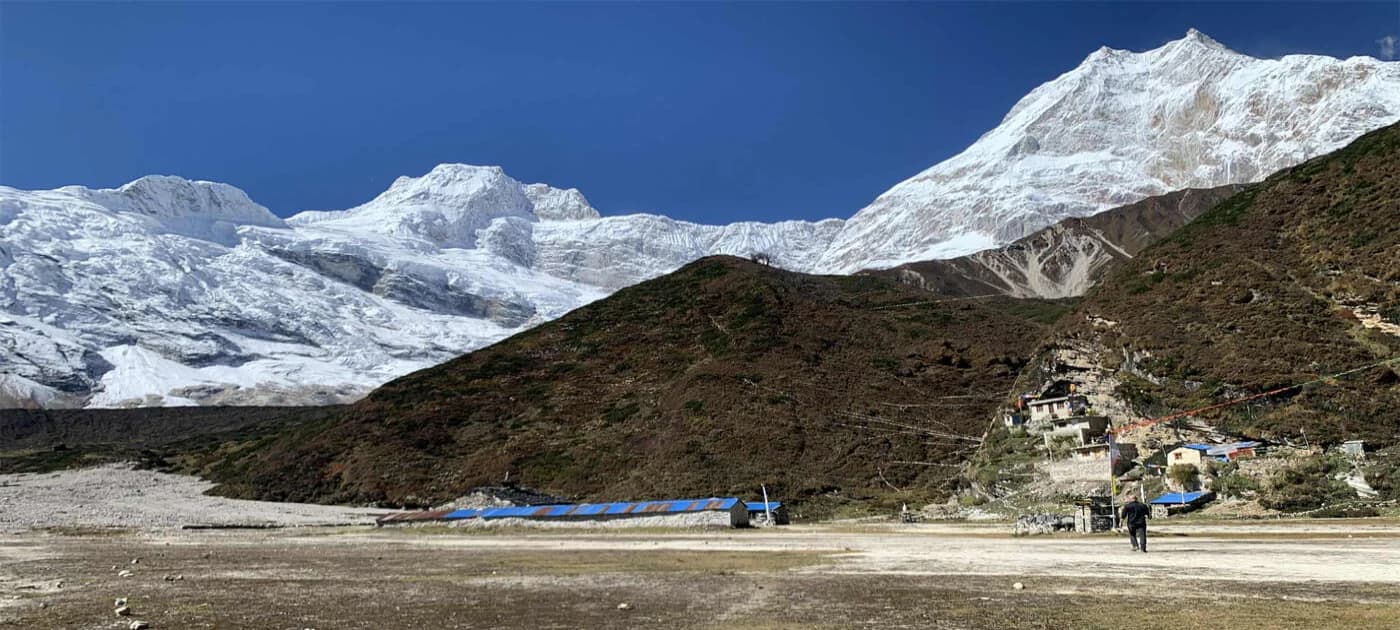
Autumn is the season most trekkers choose, and for good reason. The monsoon has washed the dust from the air, the trails have dried out, and mornings are often open with clear views of Manaslu (8,163 m) and Himalchuli (7,893 m).
This season also coincides with Nepal’s biggest cultural celebrations—Dashain and Tihar—which bring a festive atmosphere across villages along the trail. Trekkers can experience authentic local traditions, music, and warm hospitality.
With favourable Himalayan conditions, autumn is also ideal for the short Manaslu Circuit Trek.
Price from
US$756
Off-The-Beaten- Path Track
September
Early September still carries monsoon leftovers: damp trails, cloud, and the odd landslide on the lower sections. Things improve fast in the second half of the month. Late September suits you if you want fewer people and can accept a little weather risk.
October
October is the busiest and the most reliable month. Skies are mostly clear; it makes our hearts happy, the lower trail is comfortable, and the pass is at its most dependable. Lodges at Samagaon, Samdo, and Dharamsala fill up early; booking ahead helps you to reach camp by mid-afternoon.
November
The crowds thin out, and the air turns sharp. Early November is often excellent. Days get shorter and nights colder as the month goes on, and late November brings a higher chance of snow on the upper trail. Pack for a real cold even if the midday sun feels gentle. Check this trekking equipment list that covers what to bring.
Spring: March to May
Spring is another excellent season for trekking in the Manaslu region. Many guides like it just as much as autumn. Rhododendron forests flower on the lower slopes, and wildlife is easier to spot as the snow melts.
Lush forests, clear skies, and rejuvenating landscapes make spring perfect for nature lovers and photographers. Wildlife activity also increases during this period, adding a sense of liveliness to the journey. You often see wildlife such as Himalayan tahr and blue sheep near Samdo and below the pass.
Overall, spring offers a pleasant balance of comfort, beauty, and adventure, making it a great alternative to autumn.
March
March is cold and quiet. Early in the month, snow can still show up on the upper trail and the pass, so keep your dates flexible. Conditions settle through the month, and the skies clear.
April
April is the peak of spring. The weather is stable, mornings are mostly clear, and the lower forests are in attractive bloom. It is also busy, so book lodges early and start walking early to beat the crowds on narrow sections.
May
May is a warmer month. The trail quietens a little. Clouds tend to build in the afternoons as pre-monsoon weather arrives; let’s make your push for the pass in the morning. The lower valley can feel hot and humid by month's end.
Autumn vs. Spring: Which Season You Should Choose?
Both autumn and spring seasons work well. The choice comes down to what matters most to you.
- Choose autumn if you want the clearest skies and the most dependable pass crossing.
- Choose spring if you prefer warmer days, flowers, and wildlife, and you can live with a little more haze.
- Choose the edges of either season, such as late September, late November, early March, or late May, if you want quieter trails and can accept more weather risk.
If you want to delve further into the hidden valley, both seasons also suit a Tsum Valley Trek extension, turning the route into a longer, deeper journey.
Best Time to Cross the Larkya La Pass
As everyone knows, the Larkya La Pass (5,106 m, or 16,752 ft) is the trek's highest point, and it determines whether your dates work. Snow, wind, and cloud matter more here than anywhere else on the entire route.
The best windows are October to early November and April to early May. The pass day is long, often seven hours or more from Dharamsala to Bhimtang; most trekkers leave before dawn. Mornings are usually calmer and clearer, and winds tend to rise later in the day.
Your trekking guide will review recent snowfall and wind conditions. After observing, the trail condition will delay or turn back if the pass is unsafe. Most trekking agencies advise building one spare day into your plan so a delay does not cost you the crossing.
Manaslu Circuit Trek in Winter: December to February
Winter is cold and quite risky. January is usually the coldest month; that is why it is not as favorable as spring or autumn for the trek. Heavy snow can block Larkya La, and many teahouses above about 4,000 m may be closed. Days are short, so walking days feel longer and more tiring. Nights at Samdo and Dharamsala can fall far below -10°C.
The upside is real. Skies are often very clear, the trail is almost empty, and the mountains look sharp against the snow. But this is not a season for a first Himalayan trek. If winter is the only time you can travel, early December is the lowest-risk month, and you need serious cold weather gear, a flexible schedule, and a guide who knows the winter route. With proper gear and flexibility, winter offers solitude and unmatched Himalayan beauty.
Manaslu Circuit Trek in the Monsoon: June to August
Monsoon (June to August) brings heavy rainfall, slippery trails, frequent landslides, and the risk of flooding, making it the most challenging season for trekking in Manaslu. Trekking in this region is not recommended due to reduced visibility and occasional road disruptions.
While the lower forests turn lush and green, the overall conditions are unfavorable for most trekkers. Only highly experienced adventurers should attempt the circuit during this time. The 2026 monsoon also brought flooding along the Budhi Gandaki valley. Our flood safety update, Budhi Gandaki Floods 2026, explains what to check before you travel.
Dashain and Tihar: Festivals during the Autumn Trekking Season
Nepal's two biggest festivals fall in autumn. Dashain is expected in early to mid-October 2027, and Tihar, the festival of lights, in the last days of October 2027. Both follow the lunar calendar; it is best to confirm the exact dates closer to travel to experience these festivals.
Expect busy buses, closed offices in Kathmandu for several days around the main day, and celebrations in the villages you pass. If you want the festive atmosphere, plan around it. If you want smooth logistics, avoid the main festival days.
Which Month Is Best for Your Trekking Preferences?
- First-timers at high-altitude treks: April or October, when the weather is the steadiest.
- For mountain photography: October and early November for crisp mornings, or April for flowers on the lower trail.
- Fewer people: late September, late November, or May.
- Warmer daytime temperatures: May, particularly in the lower valley.
- Flexible and cold-tolerant: early December, with extra rest days and the right gear.
Planning Your Dates for 2027/2028
The Manaslu Circuit is a restricted area. This area needs permits that are arranged through a registered agency. Learn more with the Manaslu Circuit Trek Permit 2027 for knowing the paperwork, and the Manaslu Circuit Trekking Cost Guide helps you plan a budget. Lodges at the busiest camps fill fast in April and October; lock in your dates early.
For a whole picture of the route, read our complete Manaslu Circuit Trek guide and the full standard itinerary and route details for the Manaslu Circuit Trek for 14 days.
Frequently Asked Questions (FAQs)
What is the best month for the Manaslu Circuit Trek?
October is the most reliable month for clear skies and a dependable pass crossing. April is the best choice if you want a pleasant vibe with flowers and warmer days.
Is October or November better for Manaslu?
Yes, October is steadier and busier. November is quieter and colder, with a growing chance of snow on the upper trail late in the month. Early November is a good middle ground.
Is March or April better for the Manaslu Circuit Trek?
April is more stable, and the pass is usually more reliable. March is quieter and colder, and snow can still sit on the upper trail early in the month.
Can you trek the Manaslu Circuit in December?
It is possible, but difficult. Expect a high risk of heavy snow, closed lodges at the higher camps, and a pass that may be blocked. Only highly prepared trekkers with a flexible plan and an experienced guide should consider it.
Can you trek Manaslu during the monsoon?
It can be done, but we do not recommend it. Rain, landslides, floods, and clouds make the trail harder to follow and hide the views.
When does Larkya La close?
There is no fixed closing date for Larkya Pass. The pass is closed or unsafe after heavy snowfall, most likely from December to February and sometimes in late November or early March. Guides decide day by day.
Which season has the fewest trekkers?
Winter is the quietest but the coldest. Outside October and April, the trail is generally calmer, especially in late September, late November, and May.
Choosing Your Dates
For a first Manaslu Circuit Trek, pick October or April. If you value quiet over certainty, aim for the shoulder months and keep a spare day for the pass.
If you want to compare routes, look at:
The standard Manaslu Circuit Trek.
The Short Manaslu trek, if time is tight.
The Luxury Manaslu Circuit Trek for more comfort along the way.
The Tsum Valley Trek, if you want to explore the Tsum Valley only.
Price from
US$756
Off-The-Beaten- Path Track