Luxury Accommodation on the Everest Base Camp Trail: Where You Sleep Each Night and Where the Comfort Ends
When trekkers think about luxury on the Everest Base Camp trek, they often imagine clean, comfortable beds, private attached bathrooms, hot showers, and warm heated rooms after a long day of walking. You can enjoy these comforts in several sections of the trail, but they do not extend all the way to base camp.
A luxury Everest trek begins with four- to five-star hotels in Kathmandu and premium mountain lodges in the lower Everest region. At higher elevations, accommodation is simpler, and you stay in the best available lodges.
Understanding these differences helps you know what to expect before setting out. This article takes you through the overnight stops on the 12-day luxury Everest trekking route, explaining where you can enjoy extra comfort and where mountain conditions require more modest facilities.
Price from
US$3516
Experience the Majesty of Everest in Pure Luxury
Can You Get Luxury Accommodation Throughout the Everest Base Camp Trek?
No, you cannot expect five-star accommodation throughout the Everest Base Camp trek. Still, you can enjoy a genuinely cozy hotel room at several key stops along the route.
In Kathmandu, you stay in a luxury four-star to five-star hotel. On the trekking trail, Yeti Mountain Home in Phakding and Namche Bazaar provide top-notch accommodation; at the same time, Himalayan Luxury Lodge in Tengboche offers another comfortable overnight stay, where you can indulge yourself after the trek.
Above Tengboche, the choices become more limited. You stay in the best available local lodges in Dingboche and Lobuche. These places provide essential facilities for trekkers: private bathrooms, reliable hot water showers, and heating are guaranteed. Gorak Shep is different from the Dingboche and Lobuche lodges because of the limited facilities, but you can still get hygienic food, comfortable beds, and electric blankets in your sleeping room. These mountain teahouses welcome you with a smile and offer the best service that melts your heart with warmth. I guess this is the real luxury on Everest Base Camp.
The idea of a luxury trek is not to promise hotel-style comfort at every altitude. It is to make the journey more comfortable wherever the mountain infrastructure allows.
What Does Luxury Accommodation Mean on the Everest Trail?
Luxury means different things in different parts of the Everest region.
In Kathmandu, it means a proper hotel room, a lavish private bathroom, quality fine dining, and the chance to relax before and after the trek.
At lower elevations, it means staying in well-maintained mountain lodges with comfortable beds, private bathrooms, heated blankets, and welcoming dining areas.
Higher up, comfort becomes much more basic. A clean room, warm bedding, a freshly prepared good meal, and a heated dining room can make a considerable difference after long stretches of walking.
There is a practical reason for this change. Most supplies such as food, fuel, bedding, and other materials in the higher Everest villages have to be transported by porters, yaks, or other limited means. Water and electricity are also more difficult to manage, particularly during the coldest months. As a result, the facilities available in a lodge at 5,000 metres are very different from those in Namche Bazaar.
Where Do You Spend Nights?
The accommodation changes as the route climbs from Kathmandu towards Everest Base Camp. The following overview shows the usual overnight locations, the number of nights, and the type of accommodation included in the 12-day itinerary.
| Location |
Nights |
Altitude |
Accommodation Experience |
| Kathmandu |
3 |
1400 m. |
Luxury 4-star to 5-star hotels |
|
Phakding
|
1 |
2,650 m |
Yeti Mountain Home (rebranded as Mountain Lodges of Nepal)
|
|
Namche Bazaar
|
2 |
3,440 m |
Yeti Mountain Home |
| Tengboche |
1 |
3,860 m |
Himalayan Luxury Lodge Dingboche |
| Dingboche |
2 |
4,410 m |
Best available local lodges like Green Tara Lodge or Hotel Tashi Delek
|
|
Lobuche
|
1 |
4,900 m |
Hotel Oxygen or similar |
| Gorak Shep |
1 |
5,164 m |
Himalaya Lodge or similar |
Note: Lodge and hotel allocations are the usual choices but can change depending on availability and operational arrangements. The properties above reflect the usual choices for this route rather than guaranteeing a particular room or hotel.
Kathmandu: A Soft Start Before the Trek
Your Everest journey starts in Kathmandu, where you spend time preparing for the trek before heading towards the mountains. After an international flight, having a comfortable hotel room, a proper shower, and a good night's sleep makes the first few days easier. You also have time to explore the city or go on a short hike and complete your trekking preparations.
Maximum luxury itineraries include a private Kathmandu sightseeing tour covering major UNESCO heritage sites. It takes approximately five hours, followed by a trek briefing. During the briefing, your guide explains the route, daily walking arrangements, altitude precautions, and essential equipment.
If you would like to explore more of the capital, you can also consider this Kathmandu Day Tour.
The journey to Lukla is another important part of the experience. During busy trekking seasons, scheduled flights may operate from Ramechhap rather than Kathmandu, requiring a four- to five-hour road journey before the flight.
A helicopter transfer offers a more direct alternative, taking approximately 40 to 45 minutes from Kathmandu to Lukla, depending on weather and operating conditions.
After completing the trek, you return to Kathmandu by helicopter, with a stop at Lukla along the way. The final night in a comfortable hotel gives you time to rest, shower, and recover before your international departure.
Phakding: Your First Upscale Mountain Night Stay
Phakding sits at approximately 2,650 meters beside the Dudh Koshi River. It is the first overnight stop after arriving in Lukla.
After a helicopter landing in Lukla at around 2,860 meters, you walk approximately 8 kilometers to Phakding. The excursion usually takes around four hours, depending on your pace and trail conditions.
Your accommodation is Yeti Mountain Home, a well-known premium lodge option. The first evening is generally relaxed. You can settle into your room, enjoy a warm meal, and rest after the journey. Having an upgraded private bathroom and heated blankets makes the first night on the trail more comfortable, particularly when temperatures drop after sunset.
It is also a good opportunity to drink plenty of water, organize your belongings, and prepare for the longer walk to Namche Bazaar the following day.
Two Nights in Namche Bazaar at Yeti Mountain Home
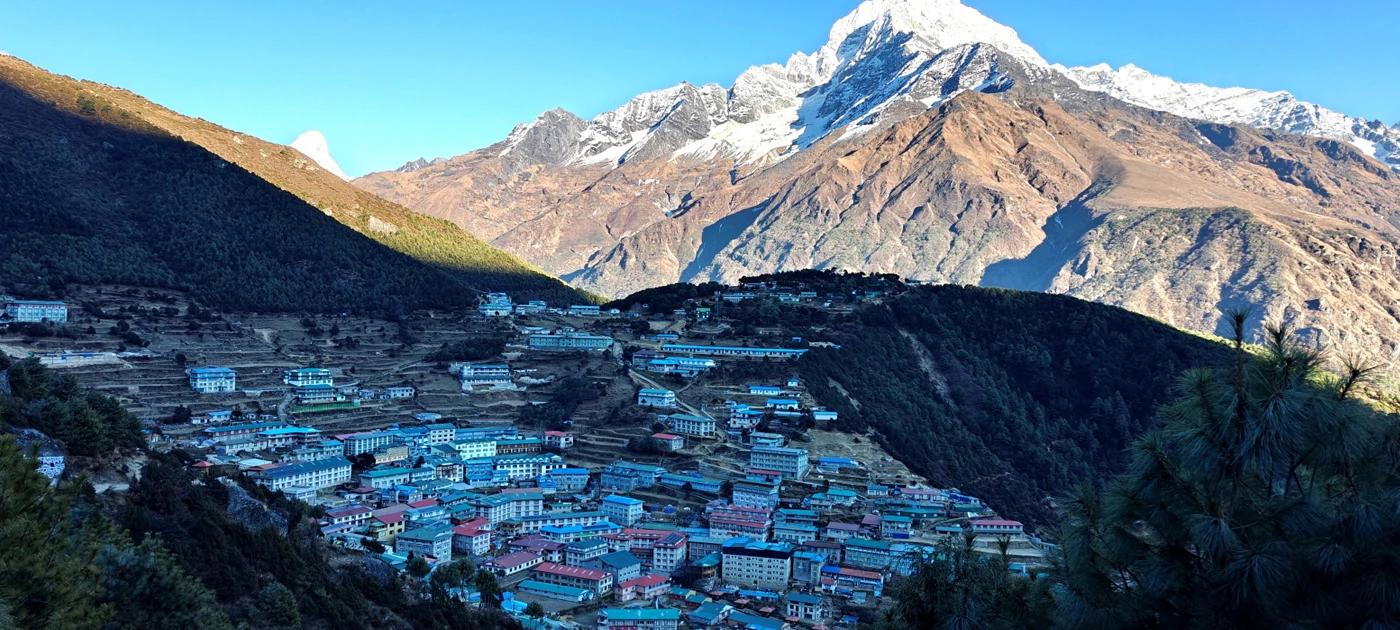
Namche Bazaar is one of the most important stops on the trail. It is a lively Sherpa settlement surrounded by mountain scenery, located at an elevation of 3,440 meters.
Namche Bazaar has so many hotel options, like Panorama Lodge and Restaurant, Hilltop Lodge and Restaurant, Hotel Everest View, and Yeti Mountain Home. You spend two nights here at Yeti Mountain Home, with an acclimatization day between them.
The walk from Phakding to Namche covers approximately 12 kilometers and usually takes around seven hours. The route crosses suspension bridges, follows the Dudh Koshi River, and gradually climbs towards the main trading settlement of the Khumbu region.
After this demanding hike, a comfortable lodge makes the evening more enjoyable. You can relax in the lounge, enjoy a warm meal, and prepare for the following day's acclimatization activities.
The second day is not simply a rest day. Your guide may organize an optional walk towards the Everest View Hotel and Khumjung village. This usually takes around four to five hours and provides an opportunity to gain altitude during the day before returning to sleep in Namche.
Namche is also the last major shopping center on the route. You can find bakeries, cafés, trekking supplies, and an ATM, although cash withdrawals are not always reliable. If you forget to buy some goods in Kathmandu, you can buy them here. It is sensible to carry enough Nepali rupees before heading towards the higher villages.
The two nights at Yeti Mountain Home are among the most comfortable accommodation experiences on the entire trek.
For foreign travelers who want these premium lodge stays combined with stunning scenery and helicopter transfers, the 12-Day Luxury Everest Base Camp Trek with Helicopter offers a complete itinerary with accommodation arranged in advance.
Tengboche: The Last True Luxurious Lodge
Tengboche, at approximately 3,860 meters, is famous for its monastery and impressive views of Ama Dablam.
The walk from Namche Bazaar covers around 11 kilometers and takes approximately five hours. The trail follows a scenic route through forests and traditional mountain settlements before climbing towards Tengboche.
You spend one night at Himalayan Luxury Lodge, also commonly listed as Hotel Himalaya.
This is the last overnight stop on the route where you can expect a luxurious-style mountain lodge experience. You can enjoy a private bathroom and heated blankets, subject to the room arrangement and availability.
The monastery is the main attraction here. If timing permits, you can visit the monastery and experience the peaceful atmosphere of this important Buddhist center.
After Tengboche, accommodation becomes simpler than before as you move towards higher elevations.
Dingboche: Comfortable Lodges at Higher Altitude
Dingboche sits at approximately 4,410 meters and is an important acclimatization stop before heading towards Lobuche.
You spend two nights here. Depending on availability and the final room arrangement, the usual accommodation choices include Green Tara Lodge and Hotel Tashi Delek.
These are among the better local lodge options in the village, but they should not be compared with the premium properties in Phakding and Namche.
The rooms’ facilities are more limited, and heating is generally concentrated in shared dining areas rather than private bedrooms.
Your second day in Dingboche is mostly dedicated to acclimatization. One option is a hike to the Nagarjuna viewpoint, which reaches an elevation of 5,100 meters. Another possibility is exploring the Chhukung Valley.
The exact activity depends on weather, trail conditions, and how everyone is adapting to the altitude. Your guide will help determine an appropriate walking plan.
After the hike, return to the lodge, have a warm, delicious meal, drink enough water, and rest. At this elevation, allowing your body time to adjust is more important than expecting a hotel-style evening.
Lobuche: A Simple and Cozy Lodge Before Everest Base Camp
Lobuche lies at approximately 4,900 meters. It is a small settlement with basic accommodation, serving trekkers and mountaineering expeditions heading towards Everest Base Camp.
The walk from Dingboche covers approximately 7 kilometers and usually takes around four to five hours, depending on the pace and conditions.
Along the way, you pass Chukpi Lhara, where stone memorials commemorate climbers, Sherpa guides, and trekkers who lost their lives in the Everest region. Accommodation is usually at Hotel Oxygen or a similar available lodge.
Do not expect the same facilities you have in Namche Bazaar. You can see the difference in the rooms from Namche; temperatures can drop considerably at night, and the dining room is often the warmest place to spend the evening with other trekkers. A warm sleeping bag and proper thermal clothing are especially important here to not feel cold.
Gorak Shep: The Last Highest Overnight Stay Before EBC
The last settlement before Everest Base Camp is Gorak Shep, at approximately 5,164 meters. You reach the village from Lobuche and continue walking towards Everest Base Camp at approximately 5,364 meters. The combined walking day generally takes around six to seven hours, depending on conditions and walking speed.
After visiting Base Camp, you return to Gorak Shep for the night, usually staying at Himalaya Lodge or a similar available property. This is the simplest and often the coldest accommodation experience on the trek. The lodge’s rooms are commonly basic, temperatures are extremely low, and sleeping comfortably can be difficult. Even experienced trekkers may experience disturbed sleep at this elevation.
You should not expect an attached bathroom, heated bedroom, or reliable hot shower here. Instead, focus on staying warm, eating enough, and following your guide's advice.
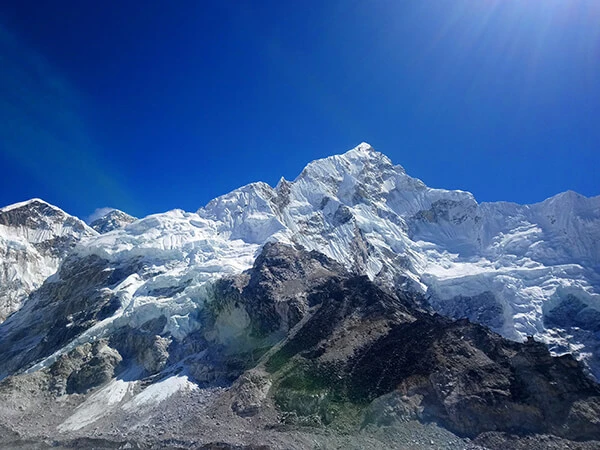
The following morning, you begin the early climb towards Kala Patthar, which reaches approximately 5,545 meters. It offers one of the most impressive panoramic views of Mount Everest, sunrise over those mountains, and the surrounding Himalayan peaks.
After the sunrise experience, a helicopter takes you out of Gorak Shep, with a stop at Lukla before continuing towards Kathmandu, subject to weather and flight conditions.
The helicopter return is one of the biggest advantages of this particular itinerary. Instead of retracing the long walking route, you can return to Kathmandu much more quickly and easily.
What No Premium Lodge Can Change
Even the best accommodation cannot remove the physical challenges of trekking at high altitude.
There are four things you should understand before booking a splendid Everest trek, as trekkers need to know before booking a helicopter-included EBC trek.
- Altitude: The risk of altitude sickness remains the same whether you sleep in a basic teahouse or a premium lodge. Proper acclimatization and attention to symptoms are essential.
- Cold temperatures: Nights above 4,000 meters can be extremely cold. Heated blankets and warm dining rooms help, but you still need appropriate clothing and sleeping equipment.
- Sleeping quality: Many trekkers experience lighter or interrupted sleep at higher elevations. Paying more for accommodation does not prevent altitude-related sleep difficulties.
- Physical effort: A luxury package does not eliminate the walking part involving reaching Everest Base Camp and Kala Patthar. You still need reasonable fitness and preparation.
A warm sleeping bag and a good down jacket are important, even on a premium itinerary. Both can be arranged on request, depending on the package inclusions.
You should also avoid alcohol, sleeping pills, smoking, and all the things that can cause altitude sickness-related issues at high altitude unless specifically advised by a qualified medical professional.
Transportation for the Luxury Everest Base Camp Trek
Transportation is an important part of a comfortable Everest Base Camp Trek. The journey usually begins with a flight from Kathmandu to Lukla, followed by walking along the Everest trail. Depending on your travel dates and flight operations, your Lukla flight may depart from Kathmandu or Manthali Airport in Ramechhap.
For the return journey, a helicopter flight from Gorak Shep or the nearby Everest region offers a quicker and more convenient alternative to retracing the entire trekking route on foot. This saves several days of walking and provides spectacular aerial views of the Himalayan landscape. For added convenience, private airport transfers can also be arranged in Kathmandu by trekking agencies.
What Food Can You Expect at Luxury Everest Lodges?
Food is an important part of a comfortable trekking experience. Each trekker walks for multiple days and multiple hours each day. Kathmandu offers plenty of opportunities to enjoy authentic Nepali cuisine and fine dining at exclusive restaurants. You can try traditional dishes such as dal bhat, momo, and Newari specialties, or choose from international cuisines.
However, meals in Kathmandu are not always included in luxury trekking packages. Many trekking agencies offer a bed-and-breakfast (BB) plan, which covers accommodation and breakfast; in contrast, lunch and dinner are paid for separately. Some packages may include additional meals depending on their price and itinerary. It is better to carefully review the package's inclusions and exclusions to understand which meals are covered and which you will need to arrange yourself.
At lower elevations, mountain lodges offer a relatively varied menu. You can find traditional Nepali meals such as dal bhat; similarly, Tibetan flavors like Sherpa stew, momo, thukpa, thenduk, and noodles, alongside familiar Western choices such as pasta, pizza, pancakes, and eggs.
As you climb higher, the menu becomes shorter, and prices generally increase. This is because food supplies have to be transported into remote mountain villages. In these areas, trekkers should consume liquid forms of comfort foods like garlic soup, vegetable soups, and others available, which can be helpful for altitude-related problems.
The luxury itinerary includes three meals a day, tea or coffee, and seasonal fruit during the trek, according to the package arrangements.
How Much Does Luxury Accommodation on the Everest Base Camp Trek Cost?
The cost depends on whether you book a standard trekking package and upgrade selected rooms or choose a complete luxury itinerary.
Upgrading accommodation on a standard trek
At selected lower-altitude lodges, an attached bathroom and additional room facilities may cost approximately USD 50-70 extra per room, depending on availability and the property.
These upgrades are not available consistently during the Everest route. At higher elevations, the best available local lodge may be the only realistic option.
Booking a complete luxury Everest trek with helicopter transfer
The 12-day luxury itinerary with helicopter transfers is priced according to group size, with the current draft package rates ranging from approximately USD 2,950 to 4,500 per person for groups of up to five.
The higher price reflects more than accommodation. Helicopter flights between Kathmandu, Lukla, and Gorak Shep account for a substantial part of the overall cost.
For comparison, the classic Everest Base Camp trekking package is approximately USD 1,250 to 1,450 per person under the rates used for this comparison.
Additional expenses to budget for
Even when you book a luxury package, some personal expenses may remain outside the package price.
These are:
- Charging electronic devices at higher lodges.
- Hot showers where available.
- Wi-Fi and internet access.
- Laundry and personal toiletries.
- Drinks and snacks outside the included meals.
- Tips for your trekking crew.
Charging can cost approximately USD 3 to 7 per device at some higher-altitude mountain teahouses. Wi-Fi availability and pricing vary by village and provider.
Carrying around USD 200 to 400 in Nepali rupees for personal expenses and tips provides a reasonable planning allowance, although your actual spending will depend on your habits.
Always check the current package inclusions before booking, as prices, lodge arrangements, and helicopter operating costs can change. Check the full itinerary, cost, meals, permits, and packing equipment for the Exclusive Everest Trek with Helicopter.
Luxury Lodges vs. Standard Teahouses: Which Should You Choose?
Both options take you through the same beautiful Everest region. The main difference is the accommodation experience, the transport arrangements, and the overall level of comfort.
You can choose luxury lodges if:
- You prefer private bathrooms and more comfortable rooms at selected lower-altitude stops.
- You want premium accommodation in Phakding, Namche Bazaar, and Tengboche.
- You prefer a small private group.
- You have limited holiday time and want helicopter transfers.
- You are willing to pay more for additional comfort and convenience.
Choose standard teahouses if:
- You want to keep your trekking budget manageable.
- You enjoy staying in traditional mountain lodges.
- You do not mind sharing some facilities.
- You want to experience the classic trekking route on foot.
There is also a middle option. You can complete the traditional trek and arrange a helicopter return instead of walking back down. The Everest Base Camp Trek with Helicopter Return is worth considering if you want the traditional trekking experience but prefer a quicker return to Kathmandu.
For more practical ways to improve your stay, read our guide on how to experience the Everest Base Camp trek in comfort.
When Should You Book Luxury Accommodation on the Everest Trail?
Spring and autumn are the busiest trekking seasons in the Everest region. March to May and September to November generally bring favorable trekking conditions, attracting visitors from around the world.
During these periods, popular lodges in Namche Bazaar and other lower-altitude villages can become busy. Booking accommodation in advance is a must if you want specific properties or private rooms.
Winter trekking is possible, but temperatures are much colder, and some facilities may be limited. The monsoon season brings rain, clouds, and possible flight disruptions.
For a lavishly planned itinerary that includes helicopter transfers, it is also sensible to arrange your trip well in advance. Helicopter operations depend on weather, visibility, and aviation conditions.
Is Luxury Accommodation Worth It on the Everest Base Camp Trek?
This is the question that pops up in every trekker’s head, and it depends on what matters most to you.
If you want a more comfortable experience after longer walking days, premium lodges at Phakding, Namche Bazaar, and Tengboche make a noticeable difference. A private bathroom, a warm room, and a comfortable lounge are welcome additions in the mountains. On the other hand, helicopter transfers also reduce the time spent travelling between Kathmandu, Lukla, and the Everest region. It can save you days and allow you to do more trips in Nepal.
If you are mainly interested in the trekking experience and do not mind basic accommodation and want to experience the raw adventure without any comfort, just like a common human being on Earth, the standard Everest Base Camp trek offers the same mountain landscapes at a lower cost.
Luxury is not necessary to reach Everest Base Camp. Many trekkers complete the journey using standard trekking itineraries and traditional teahouse accommodation. It is a privileged option for people like senior travellers, families travelling with children, businesspeople with limited holidays, and anyone who prefers comfortable accommodations and additional travel support. Rather than a conventional trekking itinerary, you can choose a journey that combines selected mountain lodge stays with helicopter flights to save time and enjoy spectacular Himalayan views.
For some travelers who do not want to spend multiple days walking at high altitude but still want to see Everest’s beauty, a helicopter experience offers another way to see Everest. Options such as the Luxury Everest Base Camp Helicopter Tour with Kala Patthar Landing allow visitors to enjoy aerial views of the Everest region and experience a landing near Kala Patthar, subject to weather and operational conditions.
A luxury trek does not remove the physical demands or altitude-related risks of travelling in the Everest region. However, thoughtful accommodation choices, a suitable itinerary, and helicopter support where appropriate can make the overall experience more manageable and comfortable.
The main idea is simple: You do not have to follow the same trekking style as everyone else to experience Everest. Whether you prefer a traditional multi-day trek, a more comfortable lodge-to-lodge journey, or a helicopter experience, there are different ways to explore the world's highest mountain region.
Frequently Asked Questions About Luxury Accommodation on the Everest Base Camp Trek
Is there luxury accommodation all the way to Everest Base Camp?
No, you can enjoy premium accommodation in Kathmandu, Phakding, Namche Bazaar, and Tengboche. Above Tengboche, the available lodge amenities become basic, with fewer facilities.
Which is the best luxury lodge on the Everest Base Camp trail?
Yeti Mountain Home is among the best-known premium lodge options in the lower Everest region, particularly in Phakding and Namche Bazaar. It offers a more comfortable stay than most traditional teahouses.
Does Yeti Mountain Home have an electric blanket?
Yes, the premium accommodation arrangements at Yeti Mountain Home include an electric blanket for heating the room. Exact room facilities should be confirmed when booking.
Are there luxury hotels at Lobuche or Gorak Shep?
No, not in the conventional hotel sense. These villages have basic mountain lodges that provide essential accommodation for trekkers. The facilities are limited because of the altitude and remote location, but they can give you the best hospitality with amazing views.
Is a luxury Everest Base Camp trek suitable for older travelers?
It can be suitable for older travellers who are medically fit and adequately prepared for high-altitude walking. A luxury lodge and helicopter transfer can make the journey more convenient, but they do not eliminate the physical demands or altitude risks.
What should I pack for a luxury Everest Base Camp trek?
You still need warm clothing, thermal layers, trekking boots, gloves, a down jacket, a sleeping bag, a headlamp, and personal essentials. Luxury accommodation does not remove the need for proper mountain equipment. See the detailed trekking and climbing gear list.
How much do luxury lodges cost on the EBC?
Luxury lodges on the Everest Base Camp trek generally cost around USD 50 to USD 275 or more per night, depending on the lodge, location, season, and room category. Premium lodges in Phakding and Namche Bazaar offer private rooms, attached bathrooms, hot showers, electric blankets, and comfortable dining areas. However, accommodation becomes more basic at higher elevations, particularly in Lobuche and Gorak Shep, where luxury facilities are limited. If you prefer an organized luxury trekking experience, complete packages with accommodation, meals, guides, permits, and helicopter returns generally cost more, depending on the services included.
Which places offer the best luxury hotels on the Everest Base Camp trek?
The best luxury accommodation on the Everest Base Camp trek is mainly found in Lukla, Phakding, Monjo, Namche Bazaar, Tengboche, and Syangboche. Popular options include Mountain Lodges of Nepal (Yeti chain hotel) in Lukla, Phakding, and Namche Bazaar. As you trek higher towards Dingboche, Lobuche, and Gorak Shep, luxury accommodation becomes increasingly limited, and you should expect simpler teahouses with basic facilities.
Does the helicopter land at Everest Base Camp?
No, the helicopter leaves from Gorak Shep, at 5,164 meters, the highest helipad on the route. Everest Base Camp, at 5,364 meters, is reached on foot.
How long are the helicopter flights?
Generally, the Kathmandu to Lukla helicopter flight takes 40 to 45 minutes. The Gorak Shep to Kathmandu flight takes 45 to 60 minutes with a stop at Lukla.
Are You Planning a Luxury EBC Trek?
An exclusive Everest Base Camp trek does not mean having five-star facilities at every stop and every corner of the region. It means having comfortable accommodation where the mountain infrastructure allows, a well-organized itinerary, and a convenient return from the Everest region by helicopter. From the premium lodges of Phakding and Namche Bazaar to the simple mountain rooms of Gorak Shep, each overnight stop is part of the experience.
If you prefer this combination of mountain adventure and added comfort, explore our 12-Day Luxury Everest Base Camp Trek with Helicopter. You can review the itinerary, accommodation arrangements, and group prices. You can book through a registered trekking agency in Kathmandu; Global Adventure Trekking (GAT) can discuss your preferred travel dates.