Nepal at a Glance
- Location: Nepal is between India and China (Tibet) in the central Himalayas, covering about 147,500 square kilometres.
- Population: Nepal's 2021 census counted 29.2 million people across seven provinces.
- Continent: Located in South Asia, Nepal lies between India and China in the Himalayan region of the Asian continent.
- Capital: Kathmandu is Nepal's capital and largest city, and the starting point for nearly every trip.
- Currency: Nepal uses the Nepalese Rupee.
- Language: Nepali is the official language, though more than 120 languages are spoken across the country.
- Religion: Nepal is majority Hindu, with a large and long- established Buddhist population, especially in the mountain regions.
- Government: Nepal became a federal democratic republic in 2008 after the abolition of its monarchy.
- Highest peak: Mount Everest reaches 8,848.86 metres, the highest point on Earth.
- Geography: Elevation ranges from about 60 metres in the Terai plains to the summit of Everest, one of the widest ranges of any country.
- Mountains: Nepal is home to eight of the world's fourteen mountains above 8,000 metres, including Everest and Kanchenjunga.
History of Tourism in Nepal
Nepal kept its doors closed to almost every outsider until 1951, when the fall of the Rana regime ended more than a century of self-imposed isolation. Sir Edmund Hillary and Tenzing Norgay's historic 1953 climb of Everest turned the world's attention toward the Himalayas.
In 1955, Boris Lissanevitch, a Russian émigré who had fallen in love with the kingdom, brought the first organized tourist group into Kathmandu and opened the city's first hotel. Colonel Jimmy Roberts effectively invented commercial trekking in Nepal in the 1960s, guiding early travelers on foot into the same Everest and Annapurna valleys we walk today.
What began with a dozen curious visitors has grown into an industry that welcomes well over a million travelers a year, and trekking in Nepal remains the single biggest reason they come.
Seven Provinces of Nepal
Nepal is divided into seven provinces, each with its own landscapes, cultures and attractions:
- Koshi Province: Eastern Nepal, home to Mount Everest, Kanchenjunga and diverse Himalayan landscapes.
- Madhesh Province: The southern Terai, known for its fertile plains, cultural diversity and historic sites.
- Bagmati Province: Home to Kathmandu Valley, Langtang and important cultural and religious landmarks.
- Gandaki Province: A major trekking hub, including Pokhara, the Annapurna region and parts of the Manaslu area.
- Lumbini Province: Named after Lumbini, the birthplace of Buddha, and extending from the Terai into the western hills.
- Karnali Province: Nepal's largest province by area, known for remote mountain landscapes, including Rara Lake and Dolpo.
- Sudurpashchim Province: Nepal's far-western region, featuring the Api and Saipal Himalayas, forests, and diverse natural landscapes.
Trekking Regions in Nepal
Every region rewards trekking in Nepal differently:
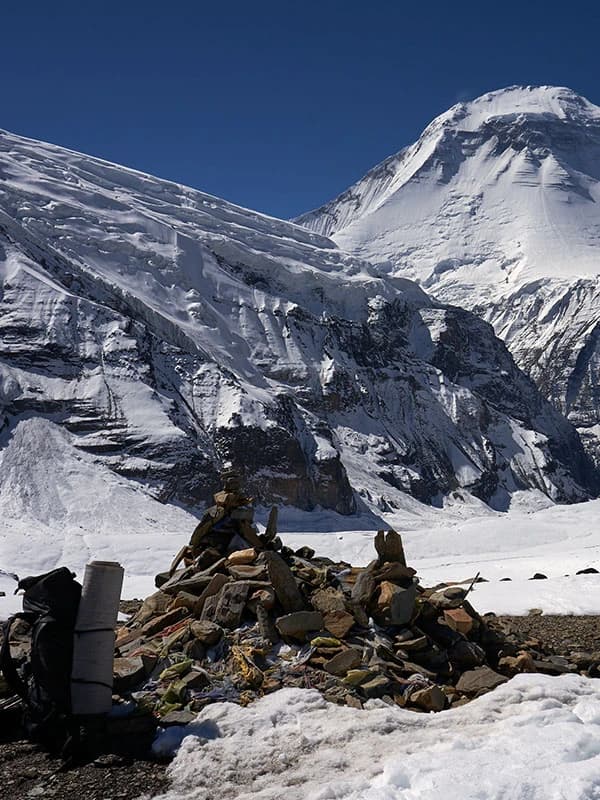
Everest Region Treks: Climb through Sherpa villages, prayer-flagged passes, and glacial moraine toward the world's highest mountain
Annapurna Region Treks: Trace a gentler but equally dramatic arc past rice terraces, rhododendron forests, and the sheer walls of the Annapurna Sanctuary
Langtang Region Treks: Reach glacial valleys in under a week, close to Kathmandu
Manaslu Region Treks: Cross the wild, restricted Larke La pass through some of the least visited Tibetan- influenced villages in the country
Easy and Short Treks: A good fit for travelers short on time
Remote Area Treks: Trails that see only a handful of foreigners each season
Our expert Sherpa and local guides lead every one of these routes personally, because no outside company knows these mountains as well as we do.
View Trekking in Nepal
Other Activities in Nepal
Trekking in Nepal is only where the adventure starts. We also organize:
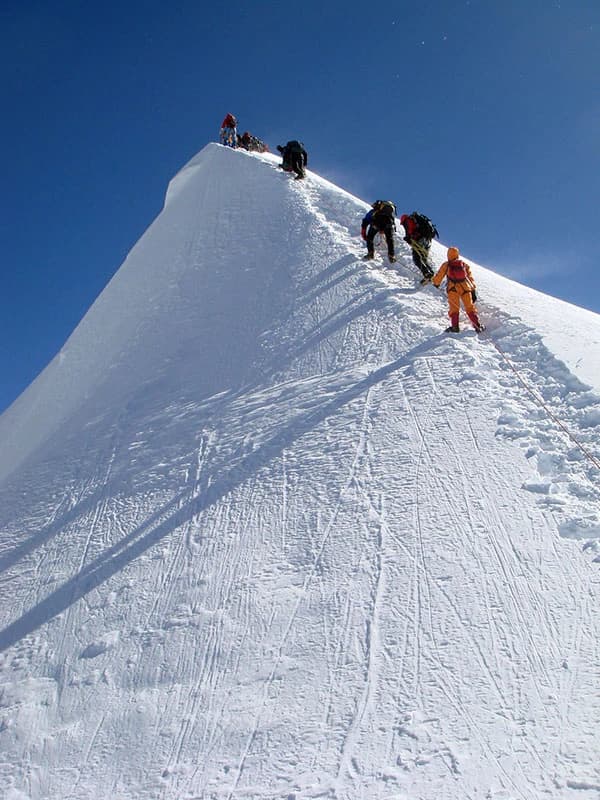
- Peak Climbing in Nepal: Summit Island Peak, Mera Peak, Lobuche and other classic 6,000 metre trekking peaks with certified climbing guides
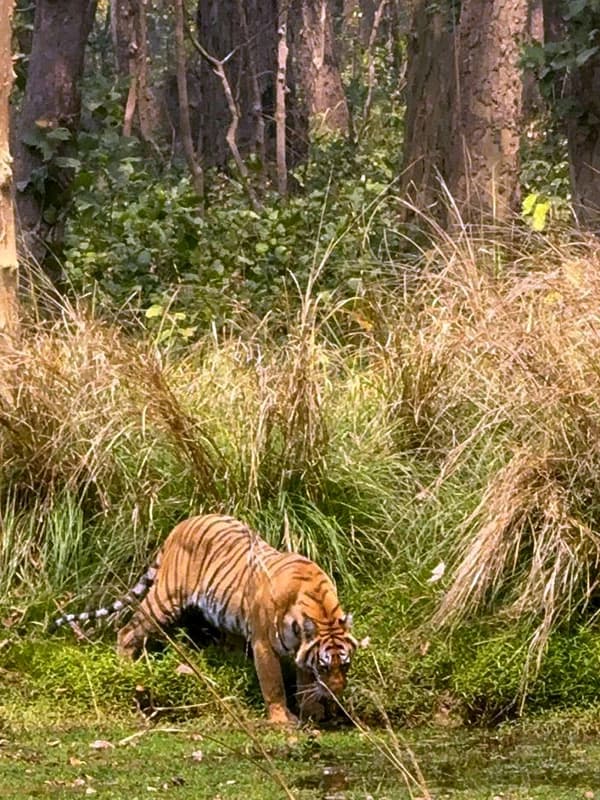
- Jungle Safari in Nepal: Track rhinos, crocodiles and Bengal tigers through Chitwan and Bardia National Park by jeep and canoe
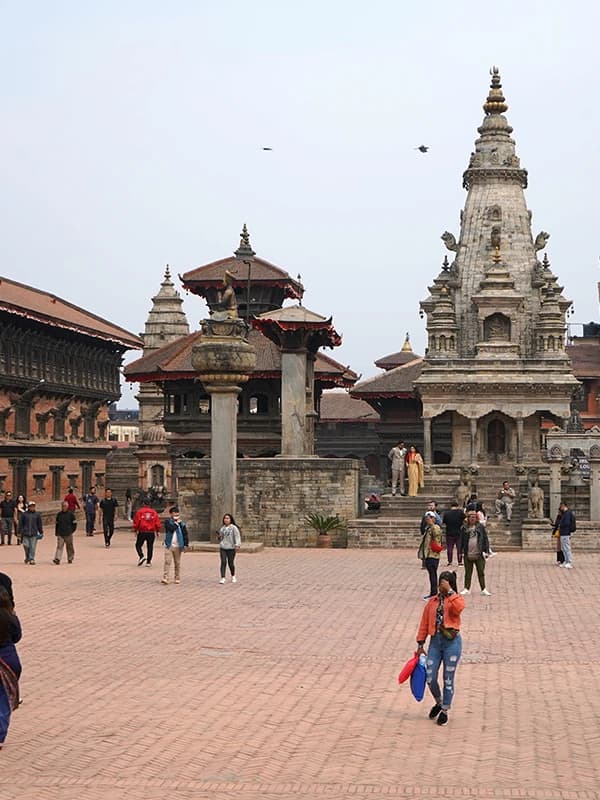
- Tours in Nepal: Cover Kathmandu's UNESCO heritage sites, Pokhara's lakeside calm, and Lumbini, the birthplace of the Buddha
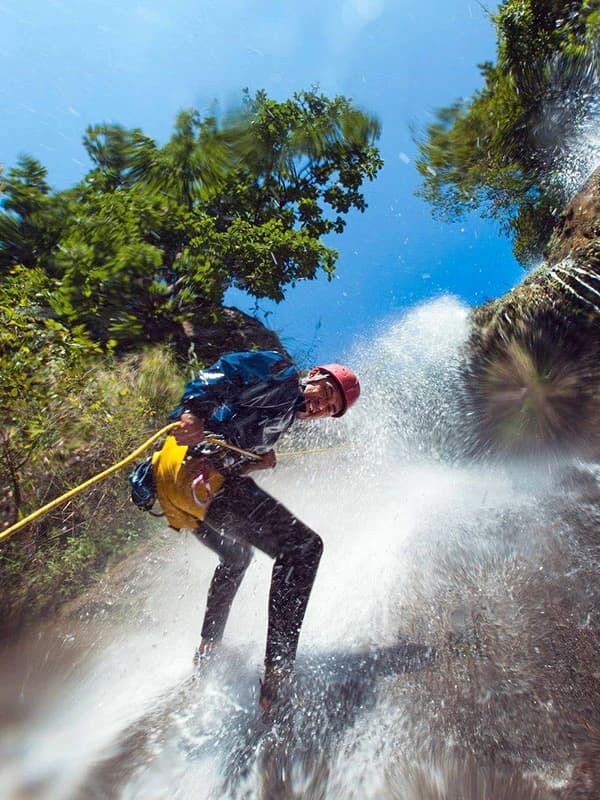
- Adventure Activities: Paragliding over the Annapurnas, white water rafting, and one of the world's highest bungy jumps
We build any combination of these into a single seamless trip whenever you want them together.
Best Time for Trekking in Nepal
The clearest mountain views for trekking in Nepal come in autumn (September to November) and spring (March to May), when skies stay dry, and rhododendrons bloom across the mid hills.
Winter suits lower routes and quieter trails. Summer monsoon favors rain shadow regions like Upper Mustang.
Whichever season you choose, our guides handle your permits, teahouse bookings, and acclimatization schedule, because altitude sickness is the one risk every trekker in Nepal has to plan around properly.
Why Choose Global Adventure Trekking
We are a government-registered, Nepali-owned company and proud members of TAAN, NMA, HRA, and KEEP. We have organized trekking in Nepal, tours, peak climbing, expeditions, and safaris smoothly for adventurers from every continent since 1998.
Every itinerary is flexible, every guide is local, and every trip runs the way we would want it run for our own family. Read more about our history in Nepal and the people of Nepal you will meet along the trail, and browse our full range of Himalayan trips before you go.
Ready to Explore Nepal Beyond the Ordinary?
Tell Global Adventure Trekking what you want to experience, and our team will help you plan a personalised trek, tour, or Himalayan adventure with local guides and support from start to finish.
Contact Us