Manaslu Trek vs. Annapurna Trek: Which One Is Right for You?
Planning a trek in Nepal often means choosing between two of the country’s most iconic routes. Trekkers narrow down their options to the Manaslu Circuit Trek and the Annapurna Circuit Trek. Both trails offer majestic Himalayan panoramas, rich cultural experiences, and once-in-a-lifetime trekking opportunities, but they differ in terms of challenge, crowd levels, accommodations, and accessibility.
The Manaslu Circuit is ideal for adventure seekers who want remote landscapes, off-the-beaten-path experiences, peaceful villages, and authentic Tibetan-influenced culture. Meanwhile, the Annapurna Circuit attracts trekkers who prefer diverse terrain, well-established infrastructure, and comfortable lodges. Whether you’re after solitude or convenience, this detailed comparison will help you choose the trek that best matches your fitness level, interests, and ultimate goals for your Himalayan adventure.
Manaslu Circuit Trek:
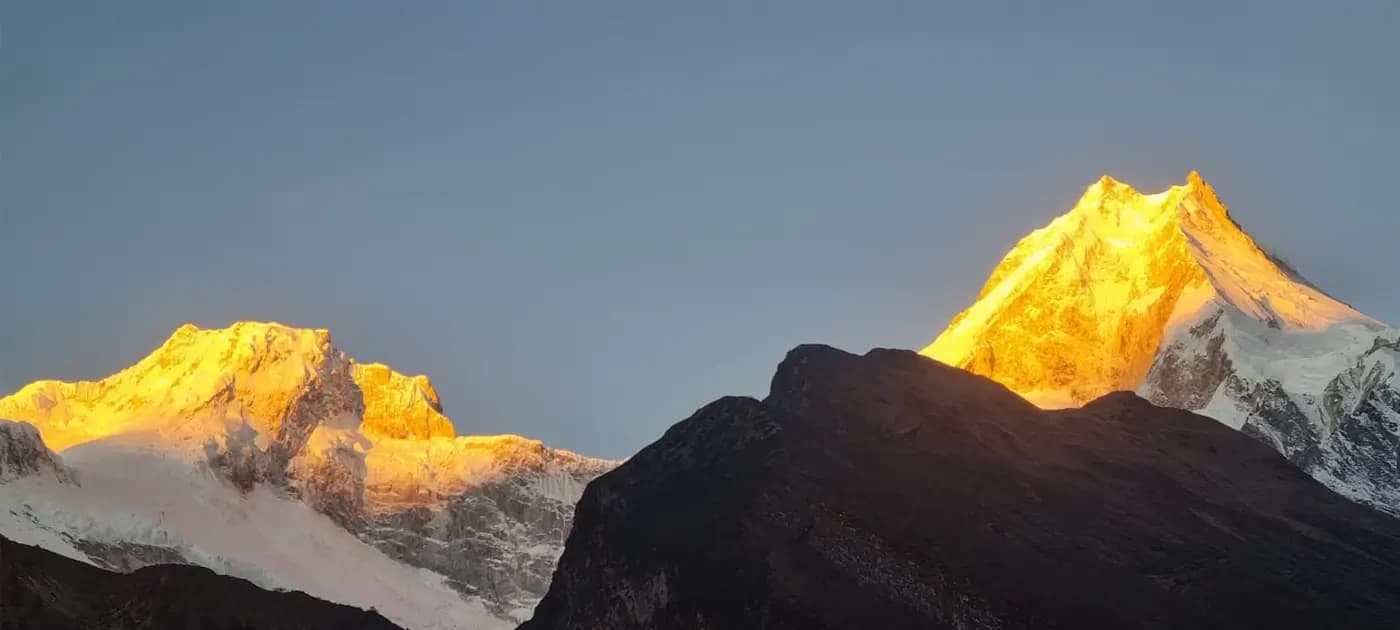
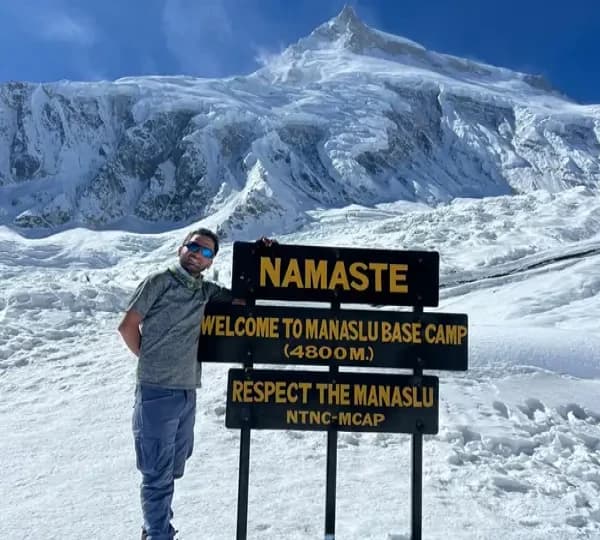
The Manaslu Circuit is a remote, less-travelled route that circles Mount Manaslu (8,163 m), the eighth-highest peak in the world. This relatively new trail, opened to tourists only in the 1990s, is an authentic blend of natural wilderness, cultural richness, and untouched Himalayan beauty.
Price from
US$1059
Off-The-Beaten-Path Route
Annapurna Circuit Trek:
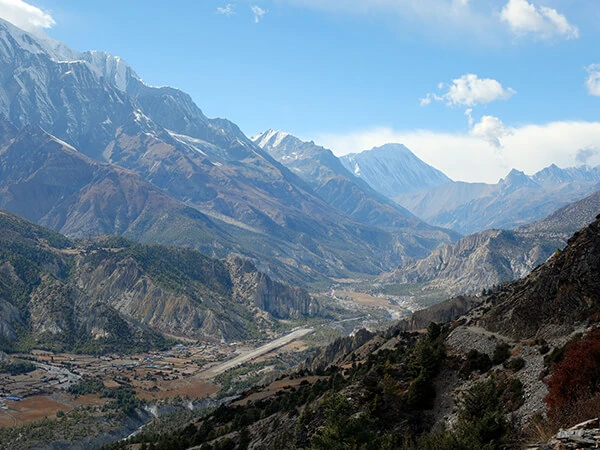
The Annapurna Circuit is one of the most popular treks globally, circling Mount Annapurna (8,091 m) and showcasing a vast range of landscapes. You can experience the diverse terrain from tropical valleys to arid highlands. One of the earliest trekking trails to it now offers travellers excellent infrastructure, lodges, and access to modern amenities.
Price from
US$1099
Lifetime Trek Experience
Beyond the conventional trekking routes, travellers seeking a more offbeat experience, away from the motorable roads, can also traverse the New Annapurna Trekking Trails (NATT).
Manaslu Vs. Annapurna at a Glance:
| Feature |
Manaslu Circuit |
Annapurna Circuit |
| Main Mountain |
Manaslu, 8,163 metres |
Annapurna I, 8,091 metres |
| Typical length or duration |
Approximately 14-16 days |
Approximately 12-15 days |
| Starting point |
Soti Khola, or Machha Khola, after a long drive from Kathmandu |
Besisahar, or higher up |
| Ending point |
Dharapani, then drive out |
Jomsom or further down the Kali Gandaki Valley |
| Highest point |
Larkya La Pass (5,106 m) |
Thorong La Pass (5,416 m) |
| Crowd level |
Less crowded, exclusive |
Famous, often busy in peak season |
| Permits |
A Restricted-Area Permit, MCAP, ACAP, a TIMS card, and a local municipality permit are required |
ACAP and applicable trekking requirements |
| Overall difficulty |
Difficult, with remote sections and demanding pass days |
Moderate to strenuous, with a demanding high-pass crossing |
| Culture |
Authentic Tibetan-Buddhist Culture |
Diverse, more commercialised, mixed with Hindus and Buddhists |
| Scenery |
Untouched, wild scenery |
More developed scenery |
| Typical Cost |
Moderate cost from around USD 800 to 1,350 |
Usually costs between USD 700 and 1,200. |
| Accommodation |
Simple teahouses, fewer comforts at altitude |
Wider choices from basic to comfortable |
Duration depends on the exact starting point, road access, acclimatisation days, and optional side trips. Confirm permit requirements and fees before departure.
Route Overview: Where Each Trek Starts and Ends
- Manaslu Circuit: You drive from Kathmandu to Soti Khola or Machha Khola, then follow the Budhi Gandaki River north through Lho, Samagaon, and Samdo. After crossing Larkya La, you descend to Bhimthang and finish at Dharapani, where a road takes you back out.
- Annapurna Circuit: The classic route begins around Beshisahar and ascends the Marshyangdi valley through Chame, Pisang, and Manang. You cross Thorong La, drop to Muktinath and Jomsom, then continue down the Kali Gandaki valley. Roads now reach parts of this route, so many trekkers start higher up or finish earlier than the classic itinerary.
- The two routes meet at Dharapani: some trekkers link them into one long journey. It takes extra days, but you cover both regions in a single trip.
Scenery and Landscape: What Will You See?
Manaslu Circuit: Remote Valleys and High Mountain Landscapes
During the Manaslu Trek in Nepal, expect wild, raw beauty from deep river valleys, suspension bridges, and villages preserved in time. The trail passes through lush forests, high alpine meadows, and glaciers, with majestic snow-capped views of Manaslu (8,163 m), Himalchuli (7,893 m), and Ganesh Himal (7,422 m). Villages here still run to the rhythm of the seasons; the isolation and purity of the landscapes make it feel like trekking back in time. You can add the Tsum Valley hike for even more remote sites with extra-day extensions.
Annapurna Circuit: Dramatic Changes in Scenery
Likewise, the Annapurna Circuit trek is famous for its incredible variety. You will walk through rice terraces, subtropical forests, barren cliffs, and the desert-like landscapes of Mustang. The panoramic views of Annapurna (8,091 m), Dhaulagiri (8,167 m), and Machhapuchhre (Fishtail) (6,993 m) are unforgettable. While it’s more developed, you see more scenery changes in fewer days and less time.
Difficulty and Altitude: Which Trek is Harder?
Considering accessibility, remoteness, and altitude, this trek is more physically demanding. The trails are steeper, the walking days longer, and the facilities are scarcer. On this trek, you will encounter Larkya La Pass (5,106 m), a major challenge, especially in snow. Conquering this pass requires exceptional physical fitness, and prior trekking experience is highly recommended.
On the other hand, the Annapurna Circuit trek is a moderate-to-challenging journey. The trails are well-marked with frequent tea houses along the route. Moreover, the gradual acclimatisation makes this trek manageable for most trekkers with decent fitness. The Thorong La Pass (5,416 m) is high but less isolated.
On both routes, altitude sickness is the real risk. Build in rest days, drink enough water, eat regularly, and descend if symptoms get worse. For a deeper look at the Manaslu ride, read How Difficult the Manaslu Circuit Trek.
Permits and Guide Rules
Manaslu is a restricted area. You need a restricted area permit and conservation area permits, local rural municipality permits, and TIMS, and you must trek with a licensed guide arranged through a registered trekking agency. Permits are sorted before you set off. You cannot simply turn up and start walking.
Annapurna is far more relaxed. You need the conservation area permit and a TIMS card, both available in Kathmandu or Pokhara, and independent trekking is allowed. For full details about the permit requirements for Manaslu, read Manaslu Circuit Trek Permit 2027.
Cultural Experience
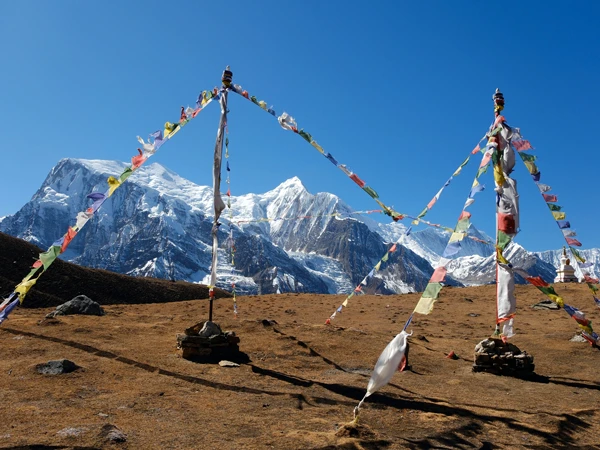
The Manaslu region trek is rich in Tibetan Buddhist culture, with ancient monasteries, prayer flags, mani walls, and remote mountain villages. In contrast, the Annapurna region trek showcases a vibrant mix of Hindu and Buddhist traditions, reflecting Nepal’s diverse ethnic heritage and warm hospitality. Muktinath, near the circuit’s high point, is sacred to both Hindus and Buddhists.
| Aspect |
Manaslu Circuit |
Annapurna Circuit |
| Main influence |
Strong Tibetan-Buddhist influence with ancient monasteries and traditions. |
A mix of Hindu and Buddhist cultures with diverse ethnic groups. |
| Typical Villages |
Remote and authentic, like Samagaon, Samdo, and Lho |
More developed and lively, such as Manang, Pisang, Jomsom, and Marpha. |
| Ethnic groups and communities |
Tibetan-origin ethnic groups. Lower part—Brahmin, Chhetri, Magar, Gurung, Tamang
Upper part—Sherpa and Tibetan
|
Diverse ethnic groups like Gurung, Thakali, and Manangi. |
| Experience |
Deep cultural immersion and fewer tourists. |
Vibrant and diverse, with better facilities |
Cost Comparison of the Two Treks
Manaslu Circuit: The Manaslu Circuit trek is slightly more expensive, costing about USD 800 to USD 1,350, mainly because of special permits and its remote location.
Annapurna Circuit: In comparison, the Annapurna Circuit Trek is more budget-friendly, ranging from USD 700 to 1,200, with easier access and a wider choice of accommodation.
Price depends on: group size, trek duration, lodge standard, private or shared mode of transport, and whether you add porters. For a full breakdown, see the Manaslu Circuit Trek Cost guide.
Best Time to Trek: Season by Season
| Season |
Manaslu Circuit |
Annapurna Circuit |
| Spring (March to May) |
Clear mornings, flowering rhododendrons in the lower forests, and warmer days. |
Similar conditions, with good trekking along the full circuit. |
| Autumn (September to November) |
The most stable weather and sharpest views. |
The most stable weather and the busiest trail, especially in October and November. |
| Monsoon (June to August) |
Heavy rain, muddy and slippery trails, landslide risks, and transportation issues due to road conditions; not recommended. |
Wet lower sections, though the drier upper valley beyond Manang is more walkable. Transportation disruptions affect road conditions. |
| Winter (December to February) |
Severe cold, with Larkya La often blocked by snow. |
Cold, with Thorong La affected by heavy snow and fewer lodges open. |
Crowds and Accommodation
The Manaslu Circuit generally stays quiet because permits are controlled and the trail is long. Lodges are simple teahouses; rooms are basic, hot showers are rare, and Wi-Fi may be limited or cost extra as you climb.
The Annapurna Circuit has a more established network of teahouses and lodges. It is much busier in October and November, but the lodge network is deep, so that you can choose anything from plain rooms to comfortable ones with warm dining halls.
On either trek, it is sensible to confirm accommodation arrangements in advance during busy seasons.
Side Trips and Add-Ons
Manaslu: the Tsum Valley for remote monasteries and a deeper look at Tibetan-Buddhist life, and Birendra Lake near Samagaon for a short acclimatization walk.
Annapurna: Tilicho Lake above Manang for a high alpine day, and Poon Hill near the end for a sunrise over the range.
These add days and costs too. Always plan while booking the package rather than deciding on the trail.
The Annapurna Circuit has a more established network of teahouses and lodges, offering a wider range of facilities in many villages. However, accommodation availability and comfort vary by location and season, and popular stops can become busy during peak trekking periods.
Why Many Trekkers Choose Manaslu
People who pick Manaslu usually want space to think. Trails are quieter, mornings are calmer, and cultural stops feel unhurried, not staged. Controlled permits limit numbers, easing pressure on villages and the trail itself. If you have trekked before and want something that feels less traveled, this is the one that tends to stay with you.
Annapurna still wins on flexibility. You can shorten it, extend it, split it into sections, or swap in side trips as you go.
Shorter Trek Options
If you do not have enough time for a full circuit. The Short Manaslu Trek packages the region into 8 days, and the NATT Trail Trek covers Annapurna in 11.
Price from
US$866
New Trail Experience
FAQs
Is a guide mandatory for the Manaslu Circuit Trek?
Yes, trekkers must arrange required permits. Since the Manaslu Circuit Trek is a restricted-area trek, you should hire a Nepal government-licensed guide through a registered trekking agency. This ensures your safety and compliance with permit regulations.
How long does the Manaslu Circuit Trek take compared to the Annapurna Circuit?
The Manaslu Circuit Trek usually takes 13 to 17 days, while the Annapurna Circuit Trek can be completed in 10 to 14 days. The Annapurna Circuit Trek offers better infrastructure, shorter route options, and easier transport access.
What is the best season for the Manaslu Circuit Trek?
The ideal seasons are autumn (September to November) and spring (March to May). During these seasons, the weather is clear, offering crisp views of the mountain and surrounding landscapes.
How physically demanding is the Manaslu Circuit Trek compared to the Annapurna?
The Manaslu Circuit is more physically demanding, reaching over 5,000 meters at Larkya La Pass, with fewer teahouses and steeper sections than the Annapurna Circuit. Therefore, the Manaslu Trek suits seasoned trekkers with prior high-altitude experience.
Can solo trekkers do the Manaslu Circuit Trek?
Yes, nowadays solo trekking is permitted in the Manaslu region. Under government rules, trekkers must trek with a licensed guide from a registered trekking company.
Is the Manaslu Circuit safe after the 2026 floods?
Conditions along the Budhi Gandaki Valley are worth checking before you commit. Our update on the 2026 Budhi Gandaki floods covers the current situation.