What Is NATT Trek Nepal?
If you’ve started planning a trek in Nepal, you’ve probably come across the term NATT Trails Trek Nepal. While it may sound like a separate trekking route, NATT trek is actually a network of carefully selected natural trails that preserve the traditional walking experience in the Annapurna region. Long before roads reached many mountain villages, these footpaths connected local communities through forests, terraced fields, and scenic valleys, offering trekkers an authentic glimpse into life in the odysseys of Nepal’s Himalayas.
As road construction gradually changed parts of the classic Annapurna routes, the Natural Annapurna Trekking Trails (NATT) were developed to help walkers enjoy quieter, more scenic paths while minimizing road sections. Rather than creating a new trek, NATT revives historic village trails that showcase the region’s natural beauty and cultural heritage. In this guide, you’ll discover what NATT is, why it was created, how it works, and why many trekkers consider it one of the best ways to experience the Annapurna region on foot.
What does NATT stand for?
NATT stands for Natural Annapurna Trekking Trails. Interestingly, the project was originally known as the New Annapurna Trekking Trails, and both names are still used interchangeably in guidebooks, trekking websites, and by some local operators. In 2012, the initiative officially adopted the name Natural Annapurna Trekking Trails to better reflect its purpose. The trails themselves were never “new.” Before roads were built in the area, the majority were old village paths that had linked nearby communities for many generations.
Why was NATT created?
For decades, trekkers made their way through the Annapurna foothills on old stone paths linking village to village and farmland to forest. Nobody built these trails with tourism in mind. Locals had been walking them for centuries to reach markets, move between settlements, carry supplies, and visit family in the next valley over. Walking that same network gave trekkers something road travel never could: a real look at daily life in the mountains, not just the scenery around it.
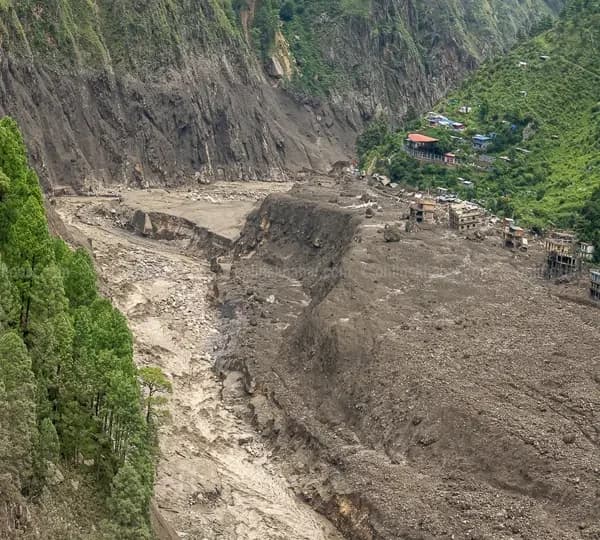
That started to change as roads pushed further into the region. Better transport made villages easier to reach, which was good news for a lot of people living there, but it also meant some of the original trekking trails ended up sharing space with jeeps and motorbikes. The mountains hadn’t changed, but the walk to them had.
NATT grew out of that shift. Local guides worked with the Annapurna Conservation Area Project (ACAP) to identify the old village-to-village footpaths that were always there and connected them into one continuous alternative, routing trekkers around road sections wherever a reasonable detour exists.
Where are the Natural Annapurna Trekking Trails Located?
The Natural Annapurna Trekking Trails are spread across Nepal’s wider Annapurna region rather than following one fixed route. The best-known NATT sections run along the Annapurna Circuit, beginning around Besisahar in Lamjung, continuing through Manang villages such as Chame, Pisang, and Manang, and descending into Mustang through Muktinath, Kagbeni, and the Kali Gandaki Valley.
However, the network is not limited to these three districts. NATT alternatives have also been identified on routes in Kaski and Myagdi, including sections connected with Ghorepani, Poon Hill, Annapurna Base Camp, Khopra Danda, and Mardi Himal. The exact location, therefore, depends on the chosen itinerary. What links these trails is their shared purpose: using quaint village paths and natural walking routes to reduce unnecessary time on newly constructed roads.
How the NATT Route Changes the Trekking Experience
The most noticeable difference is not simply where the trail leads, but how the journey feels. Instead of remaining on jeep roads, NATT trails redirects walkers onto quieter village lanes, forest tracks, and older footways that run parallel to or above the road. These sections are commonly identified by painted markers on rocks, walls, utility poles, and buildings. Red-and-white markings generally indicate the main NATT trekking route, while blue-and-white signs point toward alternative or secondary trails.
The markings are useful, although they are not always as frequent or obvious as conventional road signs. Weather, construction, vegetation, and fading paint can occasionally make them difficult to spot. A knowledgeable local guide can help with navigation while also identifying route changes that may not appear in older maps. Once the road is left behind, the reward is immediate: less dust and engine noise, more peaceful walking, and a closer connection with the landscapes and communities that made the Annapurna region famous.
Villages and Landscapes along the NATT Trails
The panorama varies considerably because NATT is a network over the greater Annapurna region, not just a single fixed itinerary. Along the Annapurna Circuit, trekkers move from the subtropical valleys and terraced farmland near Beshisahar into pine forests, deep river gorges, and the increasingly dry alpine terrain around Chame, Upper Pisang, Ghyaru, Ngawal, and Manang. After crossing Thorong La, the trail follows a descent into the wind-shaped landscapes of Lower Mustang, passing sacred Muktinath and the historic village of Kagbeni.
Other NATT sections reveal a greener side of Annapurna. Routes around Ghandruk, Landruk, Ghorepani, Khopra, and the Annapurna Sanctuary pass through rhododendron forests, cultivated hillsides, rushing river valleys, and traditional Gurung and Magar settlements. The communities also change with the landscapes. Lower areas reflect farming-based Gurung and Magar culture; the northern circuit carries strong Manangi and Tibetan-Buddhist traditions, and Thakali traditions become more visible toward the Kali Gandaki Valley. This cultural variety, combined with quieter paths and family-run teahouses, gives each section of the NATT network its own character.
Explore the hidden beauty of Annapurna with a well planned NATT trekking package, covering serene trails, traditional villages and stunning Himalayan views.
Price from
US$773
New Trail Experience
Best Time to Experience the NATT Trek in Nepal
Spring and autumn are generally the most reliable seasons for exploring the NATT (Natural Annapurna Trekking Trails) in Nepal. Both offer comfortable walking conditions, but the better choice depends on the scenery you prefer. Spring brings blooming rhododendron forests and greener hillsides, while autumn is known for drier weather and sharper Himalayan views. The Nepal Tourism Board also identifies autumn as the main trekking season in the Annapurna Region.
Seasons
|
Typical Conditions
|
Suitability
|
|
Autumn: September to November
|
Mostly dry trails, clear skies, and strong mountain visibility. Popular routes can be busy, while nights become increasingly cold at higher elevations.
|
Excellent for most NATT routes |
|
Spring: March to May
|
Mild days, flowering rhododendrons at lower elevations, and generally stable weather. Afternoon clouds may occasionally reduce mountain visibility.
|
Excellent for most NATT routes
|
|
Winter: December to February
|
Clear mornings and quieter lower trails, but freezing temperatures and snowfall can affect high passes. Thorong La may become unsafe or temporarily impassable after heavy snow. |
Good for lower routes, demanding at high altitude. |
| Monsoon: June to August |
Wet, muddy, and slippery conditions on southern and forested trails, with leeches and possible transport disruption. Northern areas around Manang and Lower Mustang receive less rainfall because they lie in the Himalayan rain shadow. |
Possible with careful route selection
|
For most travelers, the best time to trek NATT is in October and November, when it often feels livelier on the trail, with teahouses filling quickly and clear mornings revealing uninterrupted views of Annapurna and Dhaulagiri, while March and April are ideal for those who want warmer hillsides and flowering forests. Winter can still suit shorter, lower-elevation routes, but an Annapurna Circuit itinerary involving Thorong La requires greater preparation and flexibility. The monsoon is less suitable for trails south of the Annapurna range, although the drier landscapes around Manang and Lower Mustang can remain attractive alternatives.
How Challenging Is the NATT Trek?
Difficulty depends heavily on which NATT-marked route you choose, since NATT isn’t one trek but a system applied across several. Lower-elevation sections, Ghorepani Poon Hill, Khopra Danda, and parts of the Annapurna Sanctuary approach, are graded moderate, with five to six hours of daily walking over forest trails and stone staircases that are physically manageable for most reasonably fit trekkers. The Annapurna Circuit application of NATT is a different proposition: longer days, higher elevation, and the strenuous crossing of Thorong La Pass at 5,416 meters, which is where the trek’s difficult grading really comes from.
Is it Suitable for Beginners?
Yes, for the right route.The lower-elevation NATT sections make a genuinely good introduction to Himalayan trekking, without the altitude demands of the Circuit. If you’re drawn specifically to the Circuit application, Manang, Thorong La, or Muktinath, it’s still achievable without prior high-altitude experience, but it deserves an honest look at your fitness, how many consecutive walking days you’re comfortable with, and your tolerance for cold and altitude before committing.
Altitude and Acclimatization
Altitude is one of the biggest factors that determines a trek’s difficulty. While many NATT routes remain below elevations where altitude sickness is common, high-altitude itineraries such as the Annapurna Circuit Trek require careful acclimatization, particularly before crossing Thorong La Pass.
The risk of Acute Mountain Sickness (AMS) increases above approximately 2,500 meters (8,202 ft.). To reduce the risk, ascend gradually, stay well hydrated, eat balanced meals, and avoid alcohol and smoking at higher elevations. Symptoms such as persistent headache, nausea, dizziness, loss of appetite, or unusual fatigue should never be ignored. If they worsen, descending to a lower altitude is the safest and most effective response.
Whether you’re following a gentle village trail or tackling one of the Himalayas’ highest trekking passes, success isn’t about walking the fastest. It’s about maintaining a comfortable pace, allowing your body time to adapt, and enjoying the journey safely.
Accommodation, Food, and Daily Life on the Trail
Teahouses: More Than Just a Place to Sleep
One of the experiences that sets trekking in Nepal apart is staying in traditional teahouses. These small, family-operated lodges have welcomed trekkers for decades, offering not only a bed for the night but also a chance to experience mountain hospitality firsthand.
Rooms are usually simple, often with twin beds, warm blankets, and shared facilities. As you move between villages, you’ll notice that every teahouse has its own character and charm. Some overlook snow-capped peaks, while others sit beside terraced fields or tranquil forests. By sunset, almost everyone gathers around the dining room stove. Dinner takes longer than expected, conversation drifts from altitude to tomorrow’s climb, and before long the entire teahouse feels like one group.
What Is Food Like?
Life on the trail revolves around hearty, home-cooked meals. The menus are designed to provide the energy needed for long days of walking rather than offering gourmet dining, but many trekkers are pleasantly surprised by the variety available.
The classic choice is “Dal Bhat,” Nepal’s traditional meal of rice, lentil soup, vegetables, pickle, and curry. It’s nutritious, fulfilling, and widely considered the best fuel for trekking. Alongside local dishes, most teahouses also prepare noodle soups, fried rice, momos, pasta, local pancakes, omelettes, potatoes, and seasonal vegetables. While the selection becomes simpler in more remote villages, freshly prepared food remains one of the comforts, digestions, and healthier aspects of the journey.
Staying Connected in the Mountains
Although the Annapurna region feels wonderfully remote, modern conveniences are available in many villages. Most teahouses provide electricity for charging phones, cameras, and other devices, though availability may depend on local power supplies or solar energy at higher elevations.
Internet access has also become increasingly common, allowing trekkers to check in with family or share a few photos from the trail. That said, connection speeds can vary considerably, and some of the best moments on the trek happen when you disconnect from your screen and simply enjoy the mountains around you.
Water and Everyday Essentials
Fresh drinking water is available throughout most NATT routes, but many experienced trekkers choose to carry a reusable water bottle and purify water rather than purchasing single-use plastic bottles along the way. It’s a sensible choice that reduces waste while helping protect the fragile mountain environment.
Daily life on the trail is refreshingly uncomplicated. Morning begins with spectacular mountain views, afternoons are spent walking through forests and villages, and evenings end with warm meals, friendly conversations, and the anticipation of the next day’s adventure. For many people, this slower rhythm becomes one of the most memorable parts of trekking in the Annapurna region.
Permits and Transportation
What Permits and Documents Do You Need?
Most of the Natural Annapurna Trekking Trails (NATT) are located within the Annapurna Conservation Area, one of Nepal’s largest protected landscapes, so trekkers are generally required to obtain the necessary conservation permits before beginning their journey.
Trekkers are generally required to obtain an Annapurna Conservation Area Permit (ACAP) at NPR 3,000 (around USD 22 to 25) and NPR 1,000 for SAARC Nationals to help conserve the Annapurna Conservation Area’s unique environment and support local communities.
Depending on your itinerary and the latest trekking regulations, you may also need other documentation or a Trekkers’ Information Management System (TIMS) card (cost of TIMS is NPR 2,000). If your trek extends into restricted regions, such as Upper Mustang, additional permits issued by the Government of Nepal will also be necessary.
Nepal’s trekking regulations have evolved in recent years to improve visitors’ safety and trail management. As a result, many popular trekking routes now require foreign trekkers to travel with a licensed guide arranged through a registered trekking agency.
Since permit requirements and trekking policies may change over time, it’s always best to confirm the latest requirements with the Nepal Tourism Board, the Annapurna Conservation Area Project (ACAP) Permit, or your trekking operator before finalizing your plans.
Popular NATT Trek Itineraries
The NATT is followed by several trekking routes across Nepal’s Annapurna region, so there isn’t a single starting point for every journey. Instead, each itinerary begins from a different trailhead, depending on the destination, duration, and trekking experiences it offers.
Even if you’re planning the classic Annapurna Circuit Trek, the Short Annapurna Circuit Trek, the Tilicho Lake with Annapurna Circuit Trek, or shorter adventures like the Ghorepani Poon Hill Trek and Khopra Ridge Trek, Annapurna Base Camp Trek, or Mardi Himal Trek extension trek, each route follows selected sections of traditional NATT trails while focusing on its uniqueness of landscapes, cultural aspects, traditions, and Himalayan moments.
The Annapurna Circuit Trek, the Short Annapurna Circuit Trek, and the Tilicho Lake with Annapurna Circuit Trek usually begin with a drive via a comfortable tourist bus or private vehicle from Kathmandu or Pokhara to Besisahar in Lamjung, depending on the itinerary package you choose. Some trekkers take a kathmandu day tour, widely known as a UNESCO World Heritage Site, for a day before or after the trek.
Depending on the itinerary, many trekkers continue by local jeep to Dharpani or Chame, where the walking begins. From there, the trail follows traditional footpaths through villages such as Upper Pisang, Ngawal, Manang, Yak Kharka, Thorong Phedi, Muktinath, Kagbeni, and Marpha before reaching Jomsom or continuing toward Pokhara. Most trekkers say the quieter sections around Upper Pisang or Ngawal are the most memorable parts of the journey, because there's time to take in the landscape. Those choosing the Tilicho Lake extension leave the main circuit near Manang to visit one of the world's highest alpine lakes before rejoining the classic route.
Meanwhile, NATT-based treks, including the Annapurna Base Camp Trek, Ghorepani Poon Hill Trek, and village treks around Ghandruk, generally start with a drive from Pokhara to trailheads such as Nayapul, Kimche, Kande, or Ghandruk. These trails pass through flat farmland, rhododendron and wildflower forests, and ancient Gurung and Magar villages before climbing into the heart of the Annapurna Himalayas. The best part of these treks is the Poon Hill pre-dawn hike to catch the best sunrise, cultural encounters, mesmerizing, charming valleys, and stunning snow-capped mountains in Nepal.
Trekkers looking for a quieter cultural experience can also take an alternative NATT trail through Lubra (Lupra) Valley, a remote village tucked inside the Panda Khola Gorge. One of the few remaining Bon communities in Nepal, Lubra offers a fascinating glimpse into the ancient pre-Buddhist Bon religion while providing a peaceful alternative to the main jeep road between Muktinath and Jomsom. Many trekkers consider the quieter sections around Upper Pisang, Ghyaru, Ngawal, and Lubra among the most rewarding parts of the journey because they combine authentic village life, rich cultural heritage, and astonishing Himalayan scenery.
Whether you arrive by tourist bus, private vehicle, or a short domestic flight to Pokhara, reaching the trailhead is straightforward. The route you follow depends on the NATT experience you're looking for, from peaceful village walks to challenging high-altitude adventures.
What Is It Like to Trek the NATT Trails?
Trekking the Natural Annapurna Trails feels different from following a road-based trekking route. The difference isn’t obvious during the first hour. You notice it when the jeep noise fades, the trail narrows into an old stone path, and you’re suddenly passing local people instead of vehicles. You'll follow traditional footpaths through greenery, terraced ridges, hanging bridges, and mountain settlements; conversations become quieter, and the trail begins winding; that’s where daily life continues much as it has for generations.
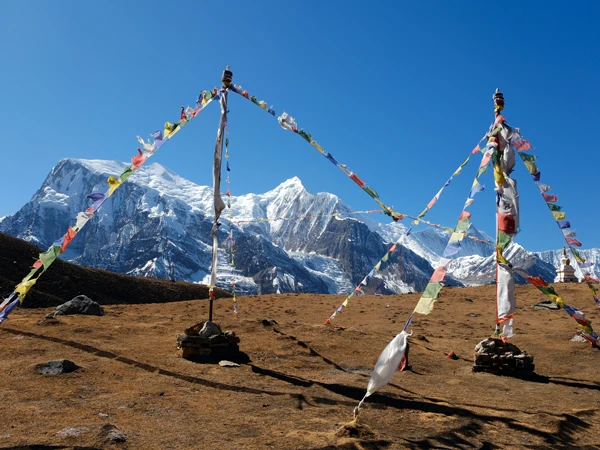
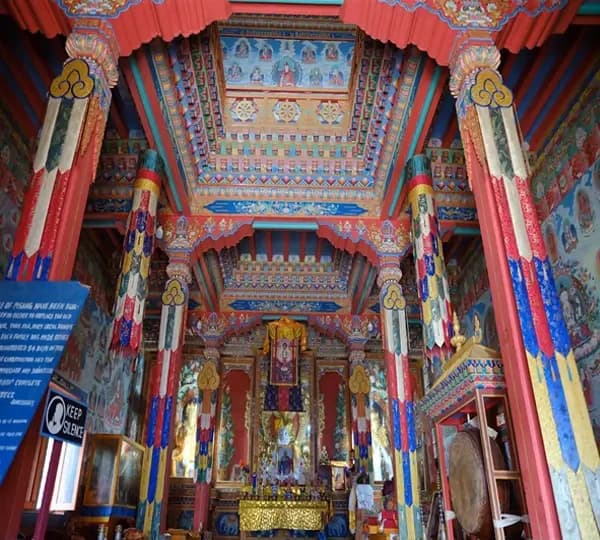
No two NATT journeys are exactly alike. Some routes pass through the lush landscapes of Ghandruk, and Ghorepani, while others climb into the rugged valleys of Manang and Mustang on the Annapurna Circuit. Along the way,trekkers encounter welcoming teahouses, prayer flags fluttering in the mountain breeze, centuries-old monasteries, and breathtaking Himalayan views. It's this combination of natural beauty, local culture, and quieter walking trails that makesthe NATT life time of experience. Read more.
How Much Does the NATT Trek Cost?
The cost of trekking the NATT Trek can vary depending on several factors including the route you chose, trip length, group size, transportation, accommodation standard, and whether you hire a porter. Can be tailored to match your travel style.
Shorter treks such as Ghandruk and Ghorepani Poon Hill generally cost around USD 400 to USD 800, while longer adventures like the Annapurna Circuit Trek, Tilicho Lake with Annapurna Circuit Trek, or Annapurna Base Camp Trek typically range from USD 700 to USD 1,600 per person, depending on the itinerary and services included.
Most organized trekking packages include permits, transportation, teahouse accommodation, a licensed guide, and meals during the trek. Personal expenses such as snacks, drinks, hot showers, Wi-Fi, device charging, laundry, travel insurance, porter services, and tips are usually extra. Along the trail, hot showers, Wi-Fi, and charging facilities generally cost USD 2 to USD 5 each, while many trekkers budget around USD 15 to USD 30 per day for personal spending.
How Does NATT Differ from Classic Annapurna Trails?
NATT (Natural Annapurna Trekking Trails) is not a separate mountain route. It is a network of older footpaths and alternative trails designed to reduce unnecessary road walking. The difference is especially noticeable on parts of the Annapurna Circuit, where village paths allow trekkers to leave busy jeep tracks behind.
|
Feature
|
NATT Trails
|
Classic Annapurna Circuit: Road-Based Sections
|
|
Walking Surface
|
Village paths and natural trails.
|
More time on vehicle roads.
|
|
Surroundings
|
Forests, farms, and settlements.
|
Similar views with roadside walking.
|
|
Traffic
|
Normally quieter.
|
More jeeps and motorcycles.
|
|
Local Interaction
|
More time inside villages.
|
Often follows the main transport corridor.
|
|
Overall Experience
|
Slower and more immersive.
|
More direct but less peaceful.
|
Both options lead through impressive Himalayan terrain. NATT simply changes how trekkers move between them, placing greater emphasis on quieter paths, village life, and the journey itself.
Practical Tips for Planning Your NATT Trek
Best preparation matters more than expensive equipment.
- Choose a route that suits your fitness and available time.
- Allow enough days for acclimatization on high-altitude itineraries.
- Wear well-broken-in trekking boots.
- Pack layers for changing temperatures.
- Carry a reusable bottle and water-treatment method.
- Bring enough Nepalese cash for mountain expenses.
- Arrange insurance that covers your route’s maximum altitude and emergency evacuation.
- Check the current permit and guide regulations before departure.
A realistic itinerary, steady pace, and flexible mindset will usually make a bigger difference than trying to cover too much in too little time.
Responsible Trekking on the NATT Trails
The NATT network helps preserve traditional footpaths while directing tourism income toward villages that may receive fewer visitors after road construction. Trekkers can support that through simple choices.
Refill a reusable bottle where safe drinking water is available, remain on marked paths, and avoid leaving rubbish behind. Staying in locally owned teahouses and using local guides, porters, shops, and cafes helps communities benefit directly from tourism.
Cultural respect matters too. Ask before photographing people, follow local guidance inside monasteries, and avoid touching religious objects or entering sacred spaces without permission. These habits protect both landscapes and the relationships that make trekking in Annapurna meaningful.
Final Conclusion
The Natural Annapurna Trekking Trails (NATT) are more than a way to avoid road traffic. They preserve the foot trails, village connections, and slower rhythm that shaped trekking in the Annapurna region long before jeeps reached the higher valleys.
A journey along the NATT trails can take you through the lush hills of Kobang, Kalopani, and Ghorepani, the high-altitude landscapes of the Annapurna Circuit, passing villages such as Chame, Upper Pisang, Ghyaru, Ngawal, Manang,Ice Lake, Muktinath, Kagbeni, and Marpha. You can even explore quieter alternatives like Lubra (Lupra) Valley. Although every route offers a different experience, they all share the same purpose: guiding trekkers along scenic village trails that showcase the natural beauty, culture, and heritage of the Annapurna region.
Trekkers interested in a structured route can explore the New Annapurna Trekking Trails, itinerary for a day-by-day example of how selected NATT sections can be combined into a longer journey. Are you ready to explore the NATT trails? Explore NATT trekking itinerary and planning your trek
Frequently Asked Questions (FAQs)
Is NATT the same as the New Annapurna Trekking Trails?
Yes, the project was originally known as the New Annapurna Trekking Trails, but it was later renamed the Natural Annapurna Trekking Trails. Both names are still commonly used by trekkers, guides, and trekking companies. But the itinerary is different.
Do I need a guide for the NATT Trails?
Many popular trekking routes in the Annapurna region now require foreign trekkers to travel with a licensed guide arranged through a registered trekking agency. Since trekking regulations may change, it’s always best to check the latest requirements before planning any trips and treks.
Do I need permits for the NATT Trek?
Most NATT trails require an Annapurna Conservation Area Permit (ACAP). Depending on the itinerary and current trekking regulations, additional permits or documents, such as a TIMS card or restricted area permits, also may be required.
Which trekking routes follow the NATT Trails?
Many popular treks follow or use sections of the NATT networks; they are:
What makes the NATT trials different from traditional Annapurna routes?
Unlike routes that follow vehicle roads for longer sections, NATT emphasizes traditional village paths, forest trails, and quieter walking routes. This creates a more immersive trekking experience while reducing unnecessary road walking.
Is the NATT Trek suitable for beginners?
Yes, many lower-elevation NATT routes are suitable for beginners with a reasonable level of fitness. Higher-altitude routes, such as the Annapurna Circuit crossing Thorong La Pass, require more preparation, acclimatization, and endurance.
Is NATT a separate trekking route?
No, NATT is not a single trekking route. It is a collection of marked trails used by several Annapurna treks, including the Annapurna Circuit, Annapurna Base Camp, Ghorepani Poon Hill, Khopra Ridge, and Mardi Himal.
When is the best time to trek NATT Trails?
September, October, and November in autumn and March, April, and May in spring are generally considered the best seasons and months for the most favourable weather and trail conditions.
How many days are needed for the NATT trek?
The duration depends on the itinerary you choose. Shorter NATT treks, such as Ghorepani Poon Hill or Mardi Himal, can be completed in 4 to 6 days, while the Annapurna Base Camp Trek usually takes 7 to 12 days. Longer adventures, including the Annapurna Circuit Trek and Tilicho Lake with Annapurna Circuit Trek, simply require 12 to 18 days, depending on the route, acclimatization days, and side trips.
Which NATT trek is the easiest?
For beginners, shorter routes such as the Ghorepani Poon Hill Trek and village treks around Ghandruk are among the easiest NATT experiences. These treks remain at lower elevation, require fewer walking days, and still offer amazing mountain views, lush green forests with rhododendron forests, and local cultural experiences.
Can the NATT trek be customized and combined?
Yes, because the Natural Annapurna Trekking Trail (NATT) follows different sections of traditional Annapurna trails, many itineraries can be customized to match your travel style, interest, fitness level, and available time. Any government-registered trekking agency can help design an itinerary that best suits your travel goals.
Which NATT route is the best for first-time trekkers?
The best route depends on your fitness level and the experience you’re looking for. Most first-time trekkers choose the Ghorepani Poon Hill Trek because of its moderate difficulty, comfortable teahouses, and spectacular sunrise views.
Do all Annapurna treks use the NATT trails?
No, while many famous treks in the Annapurna region follow sections of the Natural Annapurna Trekking Trails, not every itinerary uses the NATT network entirely. Treks such as the Annapurna Circuit, Annapurna Base Camp, Ghorepani Poon Hill, Khopra Ridge, and Mardi Himal incorporate selected NATT sections, with each route offering a different trekking experience.
Can I visit Muktinath during the NATT trek?
Yes, if you choose an itinerary that passes through Muktinath. The Annapurna Circuit and Short Annapurna Circuit Trek both descend to this sacred pilgrimage site after crossing Thorong La Pass. If your main goal is to visit the temple rather than complete a longer trek, dedicated Muktinath Trek and Muktinath Tour itineraries are also available.
Which NATT itinerary is best for limited-time trekkers?
If you’re short on time, routes such as the Ghorepani Poon Hill Trek, Mardi Himal Trek, and shorter Annapurna Base Camp itineraries offer an excellent introduction to the NATT trails within a week. Travelers with 8 to 10 days may also consider the short Annapurna treks.