Overview of the Upper Mustang Vs. Annapurna Circuit Trek
Nepal’s Annapurna Region holds two of its most thrilling long treks, and anyone researching one tends to stumble across the other. Both routes begin in the same corner of the Himalayas and even share a stretch of the trail near Kagbeni, yet they deliver almost opposite trekking experiences.
The Annapurna Circuit is the classic high-altitude crossing through green forests, farmlands, and the world’s highest trekking passes. The Upper Mustang Trek is a walk into a restricted desert kingdom, where Tibetan-Buddhist culture has survived largely untouched for centuries, popularly known as the Restricted Area Trek Nepal.
If you’re trying to decide between the two treks, Upper Mustang Trek vs Annapurna Circuit Trek, Which One Is Right For You? This guide breaks down the real differences in altitude, difficulty, culture, permits, cost, crowds, and the best season to travel, so you can choose the trek that actually matches what you want from your time in Nepal.
Upper Mustang vs. Annapurna Circuit Trek Comparison
Feature |
Upper Mustang |
Annapurna Circuit |
|
Duration |
17 days |
16 days |
| Highest Point | 3,840 m to 4,010 m (Lo Manthang to Nyi La Pass) |
Thorong La Pass (5,416 m/17,769 ft.) |
|
Difficulty |
Moderate |
Moderate to Strenuous |
|
Permits Required |
Restricted Area Permit (RAP) and Annapurna Conservation Area Permit (ACAP) |
Annapurna Conservation Area Permit (AC |
|
Trekking Distance |
Approximately 120 to 140 km (depending on the itinerary) |
Approximately 160 to 230 km (depending on the itinerary) |
|
Landscapes |
High-altitude deserts, canyons, whitewashed monasteries (gompas) |
Forests, alpine valleys, Kali Gandaki Gorge, and high passes. |
|
Culture |
Tibetan Buddhist, Loba culture, walled city of Lo Manthang |
Gurung, Magar, Thakali, Manangi, and Tibetan-influenced upper villages. |
|
Crowd Levels |
Low (limited by permit levels) |
Moderate to High (Nepal’s most popular trekking) |
|
Accommodation |
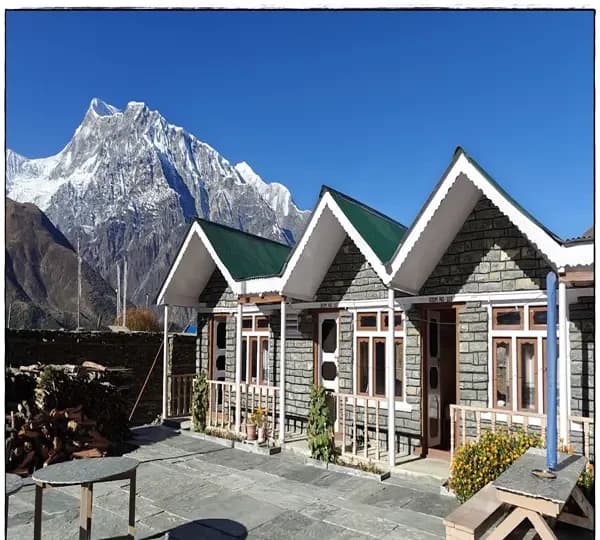
Simple teahouses |
Wide range of teahouses and lodges. |
|
Best Season |
Autumn, spring, and monsoon-friendly (rain shadow) |
Spring and autumn avoid monsoons (muddy lower trails). |
|
Price Starts From |
USD 1,600 |
USD 953 |
What is Upper Mustang Trek?
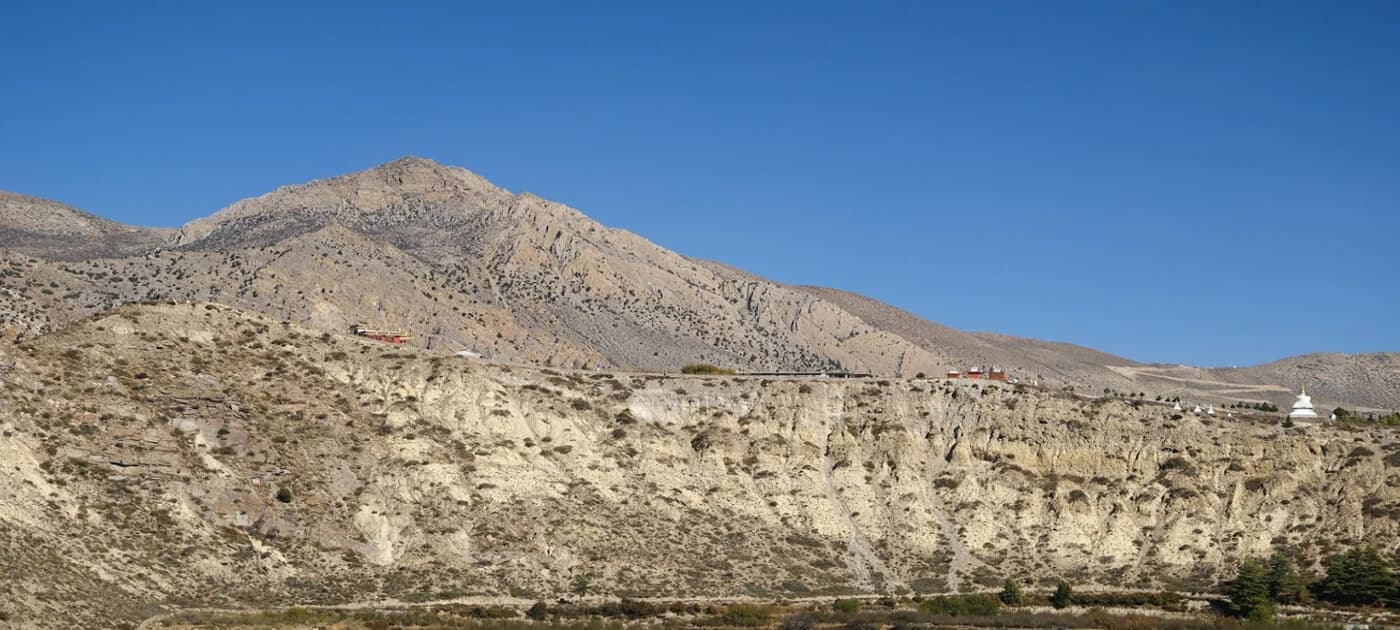
The Upper Mustang Trek is a journey like no other if you crave adventure far from the crowds. This 17-day odyssey takes you deep into the former Kingdom of Lo, one of Nepal’s most mysterious and culturally rich regions. Nestled in the rain shadow of the mighty Annapurna and Dhaulagiri ranges, Upper Mustang feels worlds apart, with its high-altitude desert, eroded canyons, and windswept valleys.
Until 1992, the region was completely off-limits to outsiders, and even today, travel here is tightly controlled. You’ll need a Restricted Area Permit, and independent trekking isn’t allowed. Instead, every step is guided by a local expert from a registered agency, ensuring you experience the true heart of Mustang’s living Tibetan Buddhist culture.
The route traces the Kali Gandaki River from Jomsom, winding through ancient villages such as Kagbeni, Chele, Syangboche, Ghami, and Charang, before arriving at the enchanting, walled city of Lo Manthang at 3,840 meters. Here, history comes alive in every corner, from the Chhoser Sky Caves to centuries-old monasteries and the vibrant Tiji Festival grounds. On your return, you might pass Dhakmar’s striking red cliffs and the tranquil village of Ghiling.
Don’t expect lush forests or rolling meadows; Upper Mustang’s magic lies in its stark beauty. Picture sandstone canyons, whitewashed villages, and timeless rituals of farming, horse-keeping, and Tibetan Buddhist devotion. This trek is perfect for travelers who want to dive deep into culture and surreal landscapes, not just tick off mountain passes.
What Is the Annapurna Circuit Trek?
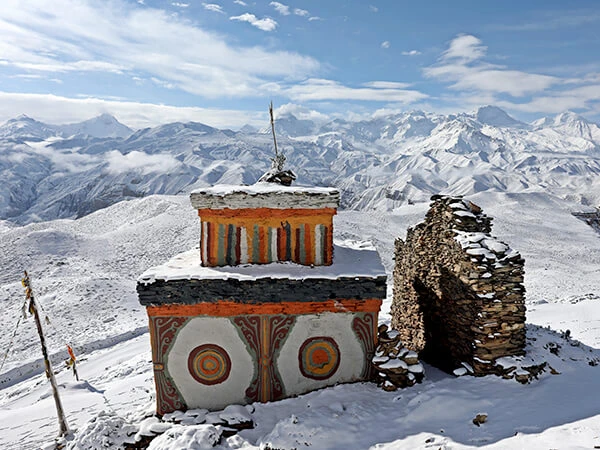
If you’re looking for a classic Himalayan adventure packed with diversity, the Annapurna Circuit Trek delivers it all. Over 16 awe-inspiring days, you’ll circle the massive Annapurna range, starting from the subtropical lowlands of Dharapani and climbing through rhododendron forests, alpine meadows, and rugged highlands.
The highlight is crossing the legendary Thorong La Pass at 5,416 meters (a rite of passage for trekkers and the highest point of the route). After the pass, the trail descends to sacred Muktinath, the apple orchards of Marpha, and the windswept valleys near Kagbeni, before unwinding in Tatopani’s soothing hot springs and soaking up sunrise views from Poon Hill.
Unlike Upper Mustang, the Annapurna Circuit is a trek of endless variety, blending sweeping panoramas with cultural encounters at every turn. You’ll pass through a tapestry of Gurung, Magar, Thakali, and Manangi villages, each with their own traditions and flavours. This trek is for those who want it all: epic mountain challenges, vibrant local life, and the full spectrum of Nepal’s natural beauty.
Altitude and Difficulty: Which Trek Is Harder?
When it comes to challenge, the difference between the Upper Mustang and the Annapurna Circuit really stands out.
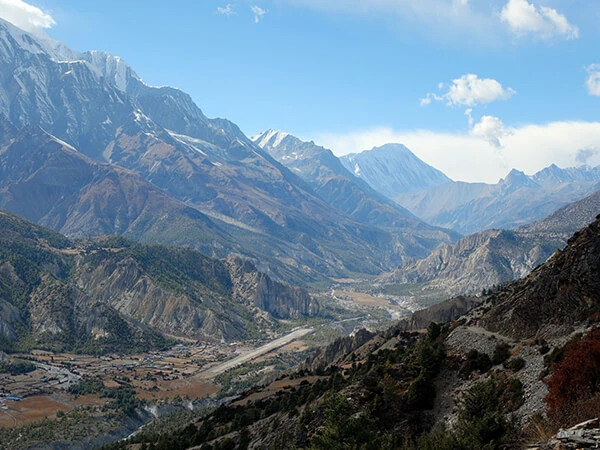
The Annapurna Circuit is famous for its dramatic high point, Thorong La Pass, soaring to 5,416 meters (17,769 feet). This is one of the world’s highest mountain passes accessible by trekking and a true test for adventurers. Tackling Thorong La means an early pre-dawn start, a grueling seven to eight hours on your feet, and the ever-present risk of altitude sickness if you rush your ascent. That’s why a rest and acclimatization day in Manang is built into most itineraries; it’s not just for comfort but for safety.
By contrast, the Upper Mustang trek difficulty takes you through a high-altitude desert but keeps you at lower elevations, never sleeping higher than Lo Manthang at 3,840 meters. With fewer risks of altitude-related illness, Upper Mustang is generally rated moderate. Most days involve five to seven hours of walking, enough to feel accomplished but not overwhelming for trekkers with a decent fitness base. Travelers who do not want to trek can also experience many Upper Mustang landscapes on a customized over-land jeep tour.
So, what’s right for you? If you dream of bagging a legendary Himalayan pass and pushing your limits at extreme altitude, the Annapurna Circuit is your trek. If you want a rewarding journey with long, scenic days and less risk from high elevation, Upper Mustang offers a gentler, but by no means easy, adventure.
Culture and Landscape: The Real Point of Difference
If you’re looking for what truly sets these treks apart, it’s the landscape and cultural experience you’ll find on the trail.
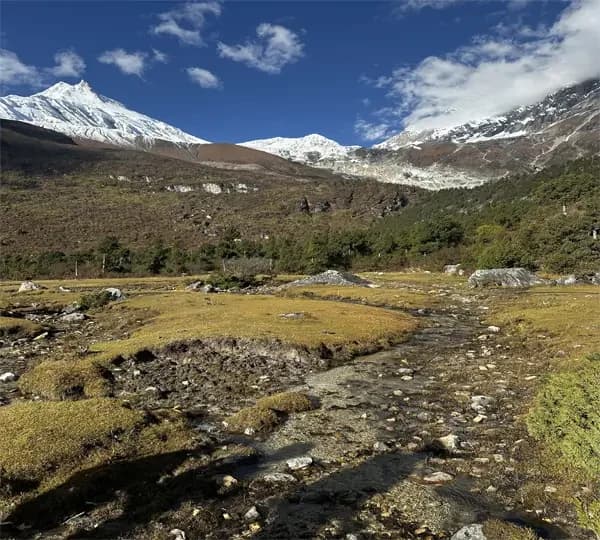
Upper Mustang feels like a step into another world, a high-altitude desert of ochre cliffs, wind-carved canyons, and ancient sandstone monasteries. The walled city of Lo Manthang looks and feels more like Tibet than anywhere else in Nepal, with centuries-old Buddhist customs and Loba culture still alive in daily life. Because the region was closed to outsiders until 1992, everything from the architecture to the rituals feels unusually untouched and authentic.
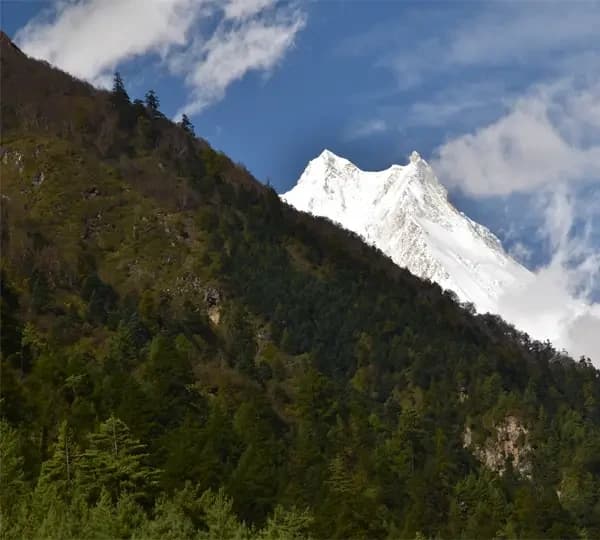
The Annapurna Circuit Trek, on the other hand, is a journey through ever-changing scenery. You’ll start in lush, terraced farmland and rhododendron forests, climb into alpine meadows near Manang, and cross into high-desert landscapes beyond Thorong La Pass. Then, you descend again into green forests and warm, welcoming villages like Tatopani and Ghorepani. Along the way, you’ll experience a tapestry of cultures: Gurung, Magar, Thakali, and Tibetan-influenced Manangi communities, each with their own traditions and flavours.
Weather and Temperature: What to Actually Expect
Both regions sit in a similar part of Nepal, but their microclimates behave differently, and packing for one isn't quite the same as packing for the other.
Weather Pattern on the Upper Mustang
Spring (March to May) and autumn (September to November): mild and stable, generally the most comfortable window for walking.
Summer (June to August): warm and dry by day, roughly 20 to 30°C, with cold nights and strong afternoon winds.
Winter (December to February): harsh, with night-time temperatures well below freezing and occasional heavy snow that can disrupt the Jomsom flight.
How is the weather on the Annapurna Circuit?
Spring (March to May) and autumn (September to November): the most reliable weather, with warm days and crisp air.
Summer/monsoon (June to August): hot and humid in the lower valleys by day, but nights can still turn cold at higher elevations near Manang and Thorong La.
Winter (December to February): mild into early December, then increasingly harsh, with heavy snowfall around Thorong La by January that can close the pass entirely.
In both cases, exact daily temperatures vary a lot by elevation and year, so treat the above as general planning guidance rather than a forecast; trekking agencies can advise on current trail and weather conditions closer to your travel dates.
Best Time to Trek: The Rain-Shadow Advantage
Choosing when to trek is just as important as choosing your route, and here’s where Upper Mustang holds a hidden ace. Both the Upper Mustang Trek and the Annapurna Circuit shine during Nepal’s classic trekking windows: spring (March to May) and autumn (September to November), when the weather is stable, skies are clear, and trails are at their best.
But monsoon season (June to August) is when these two treks really diverge. Upper Mustang, tucked deep in the rain shadow of the Annapurna and Dhaulagiri ranges, remains mostly dry even during the wettest months. This makes it one of the rare Himalayan treks that’s still a great experience in July and August and is perfect for travelers limited to summer holidays.
In contrast, the Annapurna Circuit’s lower sections, from Chame to Manang, catch heavy monsoon rains. Trails can become muddy and slippery, and mountain views are often obscured by clouds. For this reason, it’s best to avoid the Annapurna Circuit in summer.
So, if your trekking window falls in June, July, and August and you still want a true Himalayan adventure, Upper Mustang is your best trek in Annapurna Region for the monsoon-season escape.
Getting to the Trailhead
The journey to your trek’s starting point sets the tone for the adventure ahead, and here, Upper Mustang and the Annapurna Circuit part ways right from the start.
Upper Mustang offers several transportation options depending on your itinerary and budget. Most itineraries begin in Kathmandu and continue to Pokhara by tourist bus, private vehicle, or a short domestic flight from Kathmandu (or Pokhara) to Jomsom.
From there, it’s a seamless transition: you’ll hit the trail on foot, heading north through Kagbeni, Chele, and Charang all the way to the walled city of Lo Manthang and crossing the Ny La Pass. Some other trekkers may choose a 4WD jeep to go to Kagbeni; itineraries can be customized with overland transport to reduce flight dependency. This flexibility allows trekkers to select the option that best suits their schedule and travel style. With the popular road trips like the Upper Mustang Overland Tour, you’re quickly immersed in Mustang’s dramatic landscape and culture without any strenuous hiking.
The Annapurna Circuit, on the other hand, usually starts with a long overland journey by road from Kathmandu, usually via Besisahar, before reaching Dharapani, the official starting point of the trek. While it’s a bigger first-day commitment, this slow approach allows you to acclimatize gradually, beginning in lush lowlands before climbing higher with each day.
In short: Upper Mustang offers greater flexibility with both flight and overland options and a direct route to its unique terrain, while Annapurna follows a classic road-to-trail and provides a gradual build-up from Nepal’s foothills to the heart of the Himalayas.
Permits and Cost Compared
When it comes to permits and costs, the differences between the Upper Mustang Trek and Annapurna Circuit Trek are significant and can be a deciding factor for many trekkers.
Both routes require the Annapurna Conservation Area Permit (ACAP), which costs NPR 3,000 for foreign nationals. For the Annapurna Circuit, you’ll also need a TIMS Card (NPR 2,000), bringing the total to around NPR 5,000 (about USD 38). This trek is relatively budget-friendly, and you have the flexibility to trek independently if you wish, though hiring a guide is still a smart choice for safety and navigation.
Upper Mustang carries a higher permit cost because it is a restricted area trek in Nepal. In addition to the ACAP, trekkers must obtain a Restricted Area Permit (RAP), which now costs USD 50 per person per day for every day spent north of Kagbeni. The previous rule requiring a minimum payment of USD 500 for the first 10 days has been abolished, making shorter itineraries much more affordable. The permit cost is calculated based on the exact number of days in the restricted area and must be arranged through a registered trekking agency. Since early 2026, solo trekking is permitted in Upper Mustang, but all trekkers must still travel with a licensed guide and book through a registered trekking agency.
These permit differences are reflected in guided trek prices: Annapurna Circuit packages start from around USD 953 per person (for larger groups), while Upper Mustang starts from USD 1,600. The extra cost preserves Upper Mustang’s exclusivity and helps fund local conservation, but it’s something to keep in mind when planning your adventure.
Crowds and Trail Experience
If sharing the trail with hundreds of other trekkers isn’t your thing, the difference between these two routes is worth noting. The Annapurna Circuit is one of Nepal’s most popular long-distance treks. During peak season, teahouses around hotspots like Manang and Muktinath can book up fast, and you’ll rarely walk alone for long. It’s lively and social, but not exactly serene.
Upper Mustang, by contrast, sees far fewer visitors because of its restricted permit and off-the-beaten-path reputation. Here, you’re much more likely to find solitude, quiet trails, and undisturbed villages. If a peaceful, less-crowded experience matters to you, Upper Mustang Trek is the clear winner.
Which Nepal Trek Should You Choose?
Go for the Annapurna Circuit Trek if you want:
- A dramatic high-altitude pass crossing (Thorong La, 5,416 m)
- Nepal’s widest variety of scenery in one trek
- Lower overall cost and simpler permits
- A trek achievable with moderate-to-good fitness
Opt for the Upper Mustang Trek if you want:
- Deep immersion in Tibetan Buddhist culture and arid Himalayan landscapes
- A physically achievable trek with less risk from altitude
- A quieter trail, far from the crowds
- The chance to trek even during monsoon season (June to August)
Can I Combine Both?
Absolutely yes. Since both treks converge Kagbeni, you can extend your Annapurna Circuit Trek north into Upper Mustang or add a short Muktinath detour onto your Mustang trek, you can also do the Mustang overland tour start from Kathmandu to Kagbeni through an overland trip and join for the Annapurna trek. If you have three to four weeks and a flexible itinerary, combining sections of both routes is a fantastic way to experience the best of each one.
Who Is Each Trek Best For?
If You’re Seeking |
Best Choice |
Why? |
|
Ancient Tibetan-Buddhist culture and heritage |
Upper Mustang Trek | Discover Lo Manthang, an ancient monastery, and traditional Loba villages. |
|
A classic Himalayan trekking adventure |
Annapurna Circuit Trek |
Experience Nepal’s most iconic long-distance trekking routes. |
|
Crossing a high mountain pass |
Annapurna Circuit Trek |
Trek over the legendary Thorong La Pass at 5,416 m |
|
Trekking during the monsoon season |
Upper Mustang Trek |
Located in the rain shadow, it receives very little rainfall. |
|
A more affordable trekking experience |
Annapurna Circuit Trek |
Lower permit costs and a wider range of accommodation options. |
| Lesser crowds and quieter trails |
Upper Mustang Trek |
Restricted access means a more peaceful trekking experience. |
|
Diverse landscapes |
Annapurna Circuit Trek |
Walk through forests, rhododendron forests, valleys, alpine terrain, and high-mountain deserts. |
|
Unique landscapes |
Upper Mustang Trek |
Colorful cliffs, ancient villages, and dramatic desert-style landscapes. |
|
First high-altitude trek in Nepal |
Annapurna Circuit Trek |
A great introduction to classic Himalayan trekking with proper acclimatization. |
Who Should Avoid Each Trek?
Not every trek suits every traveler, and understanding the limitations of each route can help you make the right choice.
The Upper Mustang Trek may not be the best fit if you:
- Prefer lush forests, waterfalls, and snow-covered mountain scenery throughout the journey.
- Want a budget-friendly trek with minimal permit costs.
- Enjoy lively trekking routes with plenty of fellow hikers and bustling tea houses.
- Expect luxury accommodation or a wide variety of food options in remote villages.
The Annapurna Circuit Trek may not be the best fit if you:
- Are uncomfortable trekking above 5,000 meters or have concerns about high altitude.
- Have limited trekking experience and prefer a less physically demanding adventure.
- Plan to visit during the monsoon season, when lower sections of the trail can be wet, muddy, and prone to landslides.
- Prefer quiet, off-the-beaten-path destinations with fewer trekkers.
Are You Ready for the Mountain Journey?
At the end of the day, there's no perfect choice, only the one that feels right for you. Whether you wander through the hidden valleys of Upper Mustang or the legendary trails of Annapurna, the Himalayas have a way of making every step worthwhile.
Upper Mustang Vs. Annapurna FAQs
Which trek is easier, Upper Mustang or Annapurna Circuit?
Upper Mustang is rated moderate and stays below roughly 4,100 m, making it the easier of the two. The Annapurna Circuit crosses Thorong La Pass at 5,416 m and is rated moderate to strenuous.
Which trek is cheaper?
The Annapurna Circuit Trek, starting from USD 953 with GAT, costs less than Upper Mustang, which starts from USD 1,600, largely because of the additional Restricted Area Permit.
Can I trek Upper Mustang without a guide?
No, Upper Mustang is a restricted area, so independent trekking is not permitted. You must travel with a licensed guide through a registered trekking agency.
Which trek has better mountain views?
The Annapurna Circuit gives closer views of Annapurna, Dhaulagiri, Manaslu, and Machhapuchhre. Upper Mustang's scenery is more about stunning high-desert landscapes than close-up peaks.
Is Upper Mustang trek can be done the monsoon?
Yes, its rain-shadow location keeps it largely dry from June to August, unlike the Annapurna Circuit, where lower sections receive heavy monsoon rainfall and can turn muddy.
Which trek suits first-time trekkers better?
Upper Mustang tends to suit first-timers better because of its lower altitude and moderate grading, though a reasonable base level of fitness is still required for either trek.
Do both treks need the ACAP permit?
Yes, both require the ACAP (Annapurna Conservation Area Permit). Upper Mustang additionally requires the RAP (Restricted Area Permit), and the Annapurna Circuit additionally requires a TIMS Card. Permit regulations can change, so it's always best to confirm the latest requirements with your trekking agency before your trip.
Which is culturally rich trek?
Upper Mustang offers a deeper cultural experience, with centuries-old Tibetan Buddhist monasteries, traditional Loba villages, and the historic walled city of Lo Manthang. The Annapurna Circuit also features diverse ethnic communities, but its main appeal is the variety of landscapes and mountain scenery.
Can I combine the Upper Mustang Trek with the Annapurna Circuit?
Yes, both Upper Mustang and Annapurna Circuit routes meet near Kagbeni; it’s possible to combine sections of the Upper Mustang Trek with the Annapurna Circuit. This requires additional time, permits, and careful itinerary planning, but it offers an unforgettable Himalayan experience.
Which trek has better accommodation?
Both treks offer comfortable tea houses and lodges, but the Annapurna Circuit generally has more accommodation options due to its popularity. Upper Mustang provides simpler yet comfortable lodges, especially in remote villages.
Which trek is better for photography?
Both treks are excellent for photography, but they showcase very different landscapes. Upper Mustang is known for its colourful cliffs, ancient monasteries, dramatic canyons, and Tibetan architecture, while the Annapurna Circuit offers snow-capped peaks, alpine valleys, forests, waterfalls, and panoramic Himalayan views.
When is the best time to choose Upper Mustang over the Annapurna Circuit?
If you’re planning to trek during the monsoon months (June to August), the Upper Mustang Trek is the better choice. Sitting in the rain shadow of the Annapurna and Dhaulagiri ranges, it receives very low rainfall. In contrast, the Annapurna Circuit becomes wet and slippery during this period.
Which trek has fewer crowds?
The Upper Mustang Trek is much quieter because it is a restricted area with limited visitor numbers and higher permit requirements. The Annapurna Circuit Trek is one of Nepal’s most famous trekking routes, especially during spring and autumn seasons, so you’ll encounter more trekkers along the trail.
Can beginners complete both treks?
Yes, beginners with good physical fitness can complete these treks with proper preparation. The Upper Mustang Trek is generally more suitable for newcomer trekkers because it stays at a lower altitude and doesn’t involve crossing a high mountain pass. The Annapurna Circuit Trek is more physically demanding due to the ascent over Thorong La Pass (5,416 m), so it is better suited to trekkers who are prepared for higher altitude and longer walking days.