10 Things to Know Before Trekking the Manaslu Circuit in 2027/2028
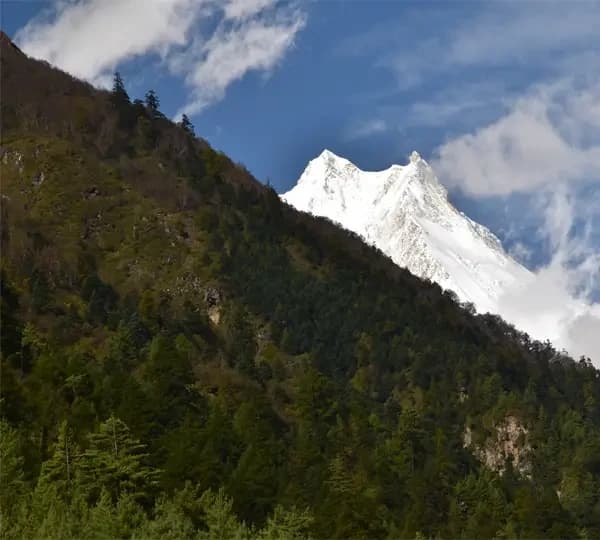
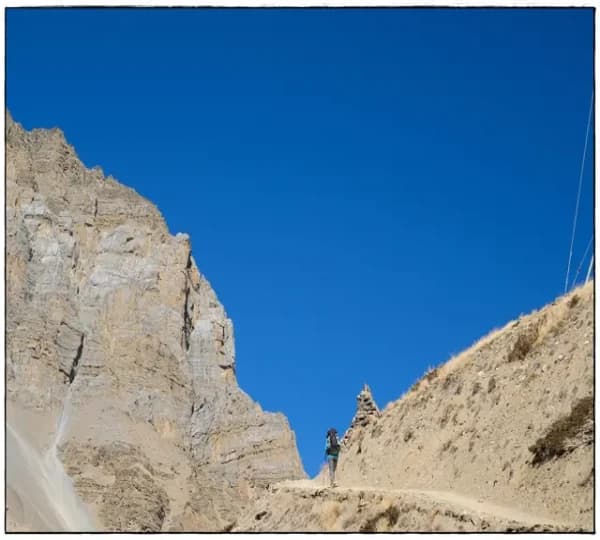
If you are looking for a thrilling or electrifying activity to experience in a remote mountainous region, try the Manaslu Circuit Trek. This trek offers a once-in-a-lifetime opportunity to make a complete circuit of the world's 8th-highest mountain, Manaslu (8,163 m/26,774 ft). The trek is a high-altitude trek in the Gorkha District that skirts the Manaslu massif. The trek follows an off-the-beaten-track trail that traverses steep ascents, pine forests, traditional villages, and terraced farm fields.
This trek showers you with the magnificence of ten peaks over 6,500 meters. On top of the jaw-dropping sight of the Himalayan Mountains, you'll have close encounters with local people and their vibrant Himalayan culture. The trek is a perfect blend of nature (mountains, glacial lakes, waterfalls, etc.) and culture (Tibetan ethnic people, their way of life, and monasteries).
Compared to trekking routes like the Everest Base Camp Trek and the Annapurna region, the Manaslu trek is relatively remote and less commercialized. Since trekker density in the Manaslu Circuit is lower, you'll be exposed to an unspoiled area of Nepal's Himalayas. You can also combine the Tsum Valley with the Manaslu Circuit trekking trail. If you have a longer holiday to extend, we have a great opportunity to cross the two different passes, Larkya La Pass (5,106 m, 16,747 ft) and Thorong La Pass (5,416 m, 17,764 ft), in the Annapurna Circuit Trek.
Now is the perfect time to add the Manaslu Circuit Trek to your bucket list. The trek will be challenging, but you'll leave with a backpack of lifelong happy memories. It also asks more of you before you even land in Nepal. Manaslu is a captivating adventure and a restricted zone, so you need to sort out permits, guides, and your itinerary early.
This guide covers the questions that matter most for 2027 and 2028: permits and their fees, the best time to go, how hard the trek really is, how to handle altitude, what the teahouses are like, and what to pack.
If you would like the full route first, read a complete guide to the Manaslu Circuit Trek, then come back here for the planning details.
Manaslu Circuit Trek: Quick Facts
- Highest point: Larkya La Pass at 5,106 meters (16,752 feet)
- Distance: roughly 140 kilometers on foot, plus the drives at each end
- Difficulty Level: Difficult
- Best months: March to May and September to November
- Rooms: Simple teahouses, usually with basic twin rooms, but bathrooms and facilities vary.
Why Trek the Manaslu Circuit?
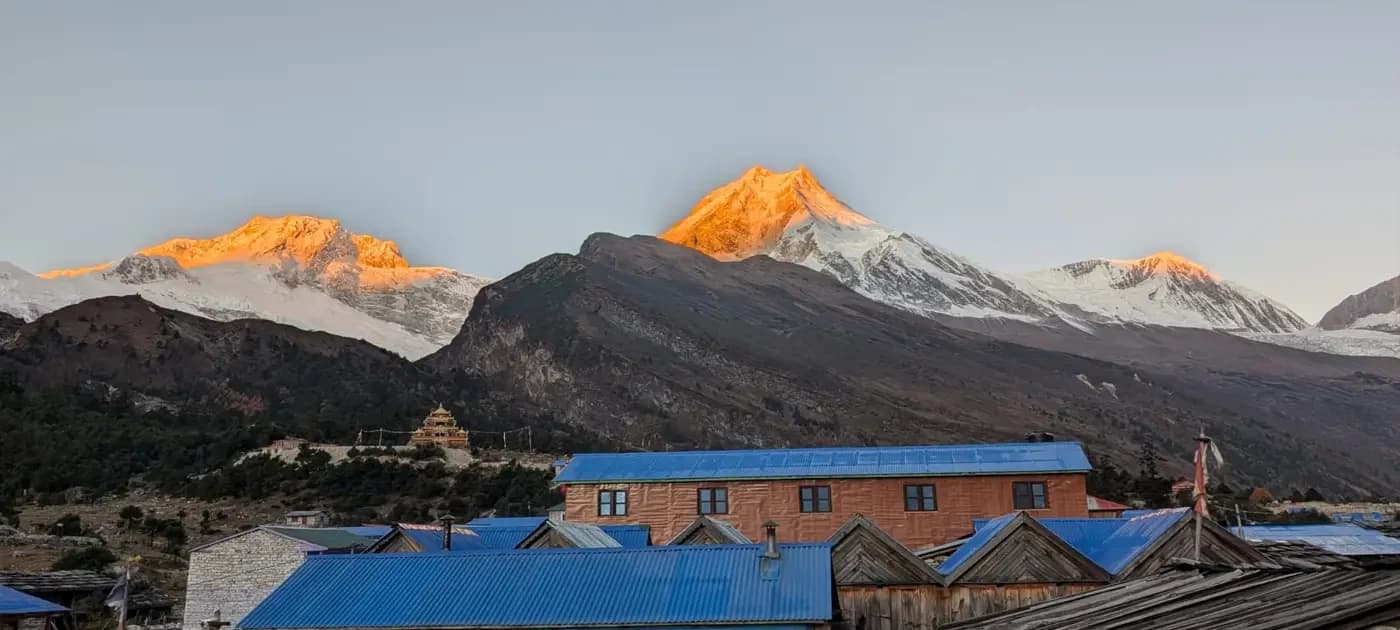
The trail starts low and warm. Around Machha Khola and Jagat, you are in subtropical valleys, crossing suspension bridges high above the Budhi Gandaki River. A few days later, the trees thin out, and you are in the cold, dry country of stone houses, yak pastures, and glaciers, with Manaslu filling the sky behind Samagaon. You have a chance to witness impressive snow-capped peaks like Himalchuli (7,893 meters), Ngadi Chuli (7,871 meters), and Ganesh Himal (7,422 meters) all show up along the way.
The people matter as much as the peaks. The upper valleys are home to the Nubri and Tsum communities, whose culture is Tibetan Buddhist. You walk past mani walls carved with prayers, turn prayer wheels at village gates, and sleep a few steps from working monasteries. Fewer visitors come here than to Everest or Annapurna, so lodge owners often have time to sit down and talk over tea.
It is still a proper trek. Days are long, the pass is high, and the weather has a say in everything. Prepare well, and it is one of the best multi-week walks in Nepal.
Things to Know Before You Trek
Get the Right Permits for Manaslu Trek, Nepal
Since the Manaslu region is a restricted area, you cannot trek independently. You’ll need to book from a registered trekking agency and hire a licensed trekking guide. Trekking the Manaslu Circuit requires three core permits.
But since March 22, 2026, solo trekkers can obtain permits from legally authorized trekking agencies, and there is no need for two people to get a permit.
Manaslu Circuit Trek Permits 2027/2028
Permit Type
|
Permit Fee
|
|
Manaslu Restricted Area Permit (RAP)
|
September to November: USD 100 for 7 days with an additional USD 15 surcharge per person per day for each additional day.
December to August: USD 75 for 7 days and an extra USD 10 daily surcharge for each additional day.
|
|
Annapurna Conservation Area Project (ACAP)
|
NPR 3,000 per person (approximately USD 25).
|
|
Manaslu Conservation Area Permit (MCAP)
|
NPR 3,000 (approximately USD 25) per person.
|
|
Chumnubri Rural Municipality Local Permit
|
NPR 1,000 per person
|
| TIMS Card |
NPR 2,000 per person |
Conservation permits should be arranged through a registered trekking agency before you leave Kathmandu. Send them a clear passport scan and photos well ahead of departure. These fees were checked in October 2026, and the dollar value of the rupee fees varies slightly with the exchange rate. Visa processing is also one of the main factors to know before trekking. Here you can learn more about your visa processing procedure through Nepal Tourist Visa: How to apply online (eTA) or on arrival.
Wondering how these fees fit into the total price of the trip? Check the Manaslu Circuit trekking cost 2027 guide and Manaslu Circuit Trek Permit 2027 for a complete breakdown of expenses, and check out the standard Manaslu Circuit Trek itinerary.
Price from
US$1059
Off-The-Beaten-Path Route
Guide and Porter
Every trekker needs a licensed guide. Porters are your choice. The guide rule protects the restricted area and its villages, and it makes the trek safer too. On Manaslu, a knowledgeable guide sets your pace, reads the weather before the pass, handles checkpoints, and tells you what you are looking at as you walk into a village.
Most trekkers hire one porter for every two people. A lighter pack makes a real difference above 4,000 meters, and the wages go straight to families along the trail.
Best Time: Spring and Autumn
The best time for Manaslu Circuit Trekking is March to May and September to November. Both give you steady weather, but they feel different.
Spring brings warmer weather, and the days are longer. The flowers, such as rhododendrons, orchids, and other wildflowers, are in the lower forests, and daytime temperatures sit around 5 to 15 degrees Celsius in the valleys and minus 2 to 5 degrees Celsius higher up. Haze can soften the far views.
Autumn is the busiest season because the skies are at their clearest and the mountains look sharpest. Nights above 4,000 meters get cold, with lows reaching about minus 8 degrees Celsius, and the restricted-area permit costs more.
Winter snow can block the pass, and the monsoon from June to August brings leeches, landslides, and cloud cover. Experienced operators still run trips in those months, but they are a poor choice for a first Himalayan trek.
Difficulty and Fitness: Difficult Level
Expect 5 to 8 hours of walking on most days, with steady climbs and sharp drops on uneven trails. As you know, this is considered a difficult trek in Nepal; you have to walk around 8 to 10 hours during a high pass. You do not need any mountain climbing skills. What you need is stamina and patience. The first days follow the river through narrow gorges with landslide patches and plenty of suspension bridges. Higher up, the valley opens out, gets colder and drier, and the walking feels more exposed.
Many trekkers find Manaslu tougher than the main Annapurna trail. And not because of altitude alone. The trail is rougher, and the villages are smaller, so there are fewer places to rest and fewer comforts when you arrive.
Start training at least two months before you fly. Most importantly, you do not need to be an athlete, but arriving unfit makes every day harder. Mix hiking, stair climbing, cycling, or running along with leg work such as lunges and step-ups, and do a few long weekend hikes with a loaded daypack in the boots you plan to wear.
For a closer look at daily walking hours, the toughest sections, and who should think twice, read this guide on How Difficult Is the Manaslu Trek?
Altitude Sickness: The Real Risk on This Trek
Acute mountain sickness (AMS) is the biggest danger on the Manaslu Circuit, and it hits hardest after Samagaon. Your itinerary protects you more than your fitness does. Look for a route with proper acclimatization days, usually at Samagaon and Samdo, and a gentle gain in sleeping height.
Mild symptoms of AMS can include a headache, nausea, dizziness, and a bad night’s sleep. Tell your guide immediately if they get worse or if you become breathless at rest, confused, or unsteady on your feet; you must go down straight away. Stop ascending if serious altitude-related issues occur, known as HAPE or HACE. Always listen to your appointed guide’s advice for safe travel.
Drink plenty of water, climb slowly, skip alcohol, and tell your guide the moment something feels off. Speak to your doctor before the trip about altitude medication.
Larkya La Pass: A Big Day
The crossing of Larkya La at 5,106 meters is the highlight of the trek. Most groups leave Dharamsala, also called Larke Phedi, well before dawn. You ascend for several hours over moraine and snow, then drop steeply down to Bimthang. It usually takes 8 to 10 hours, and the wind on top can be fierce.
On a clear morning, you look across to Himlung Himal, Cheo Himal, and Kang Guru. Pack warm layers, gloves, a headlamp, and plenty of water. If the weather turns, your guide makes the call on whether to go on or turn back, and that call should be respected.
Teahouses, Food, Charging, and Cash
Teahouse life changes as you climb. Here is how the basics compare between the lower valleys and the higher villages, though individual lodges vary.
| Particular |
Lower Valleys |
Higher Villages |
| Rooms |
Twin rooms with blankets, often with an attached bathroom, subject to availability. |
Basic twin rooms that get much colder at night |
| Toilets |
Often attached to the room |
Shared, usually outside the main building, mostly squat style, and flushed with a bucket of water. |
| Hot showers |
Usually available, often solar-heated |
Bucket showers, often solar-heated, at an extra charge |
| Food |
Dal bhat, noodles, eggs, momos, Tibetan bread, and a few continental dishes, with herbal tea and coffee. |
The same staples on a shorter menu, with prices rising as you climb. |
| Drinking water |
Treat or purify drinking water instead of relying on untreated water. |
The same, and pipes can freeze in the coldest villages. |
| Charging |
Electricity in most lodges from Machha Khola to Dharapani |
Solar power; charging in the dining room, usually for a fee. |
| Phone signal and Wi-Fi |
Wi-Fi and phone signal are patchy. |
Weak or none, so expect to be offline for long stretches. |
Guided groups receive a warm sleeping bag and a down jacket on loan, which takes care of the coldest nights. Dal bhat, the Nepali plate of rice and lentils with free refills, powers most trekkers. Some of the agencies provide medical-grade water purification on the trek, and a power bank is worth carrying.
Toilet etiquette: Toilet paper is rarely supplied; bring your own along with hand sanitizer, and put used paper in the bin provided rather than down the toilet. Keep a headlamp by your bed for night trips, since the toilet is often outside. Between villages, there are no toilets at all. If you need to stop on the trail, step well away from the path and any water source, bury waste, and carry used paper out with you.
Cash: There are no ATMs on the trail. Bring enough Nepali rupees for drinks, snacks, charging, hot showers, and tips, and budget around NPR 2,500-3,000 per person each day for personal spending.
Travel Insurance Is Compulsory
Travel insurance is essential for any treks in Nepal. You need a travel insurance policy that covers trekking at high altitudes, and coverage to at least 6,000 meters is recommended. Check that it includes emergency helicopter evacuation and medical treatment. Rescue from a remote valley is expensive, and your insurer pays the evacuation; keep the policy number and emergency contact somewhere easy to reach before you leave Kathmandu.
Respect the Local Culture
These villages are living religious communities, not open-air museums. Walk to the left of mani walls and prayer wheels; ask before photographing people or monastery interiors; dress modestly in villages; and carry your rubbish out. Small habits like these count for a lot in places that see fewer visitors.
Decide How Many Days You Can Give It
The standard circuit suits most trekkers. If you have extra time, consider adding Tsum Valley, a Buddhist valley that branches off near Lokpa, which turns the trip into a longer, more culturally enriching journey. If you are short on time, a condensed itinerary exists, but it cuts into acclimatization days and suits experienced trekkers better. Choose the number of days based on how your body handles altitude, not on how many days of leave you have.
To see how the days usually run from Kathmandu to Dharapani, check the Manaslu Circuit Trek-14 Days package itinerary, which walks through the route stage by stage. For a limited time period, you can add a short itinerary route for Manaslu.
Price from
US$1050
Off-The-Beaten- Path Track
Places on the Trail Worth Stopping For
While the journey itself is appealing, the Manaslu Region has plenty of places worth visiting.
Tsum Valley Hike
Tsum Valley is a secluded Himalayan Buddhist pilgrimage valley lying on the east side of the Manaslu Circuit Trek. The magical beyul is situated at an elevation of 2,000 to 3,500 m in the remote northern Gorkha region. Dubbed the 'hidden valley,' Tsum Valley is home to the Indigenous Tsumpas, who practice both Bon and Buddhism. The ancestral isolation of the Tsum Valley from the outside world has helped to retain its pristine Tibetan culture in pure form. Depending on the route, it usually takes an extra two days to complete the trek.
Samagaon (3,350 m, 11,581 ft.)
Samagaon (Gaon is a Nepali word for "village") is another key attraction of the Manaslu trek. Lying at the foot of Manaslu, the village has a quaint settlement of over 200 households. Trekkers undertaking the Manaslu Circuit Trek often stop in this picturesque village for acclimatization. You'll sample rich Sherpa culture with sights of thousands of mani stones bearing Buddhist texts, hospitable people in traditional attire, etc. Samagaon also hosts a Buddhist monastery called 'Pungyen Gompa,' which is inhabited by monks and nuns.
Pungyen Gumba (Around 4,050 m, 13,285 ft)
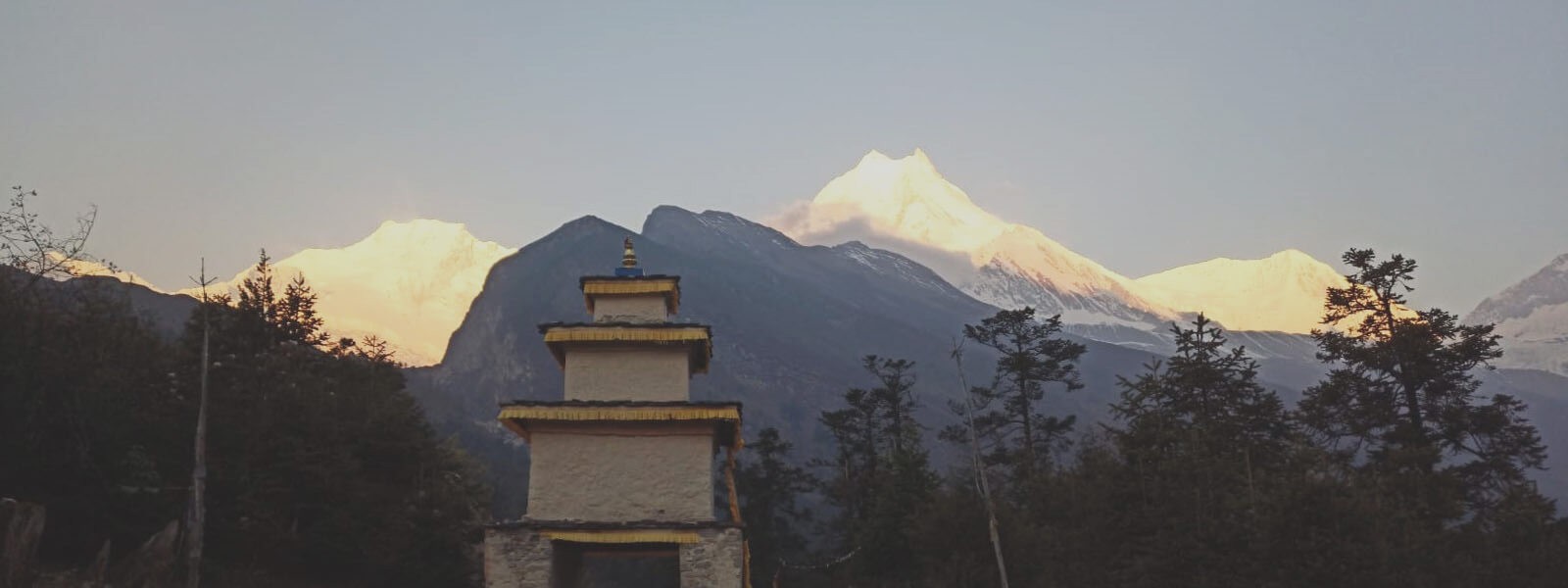
Pungyen Gumba is a Buddhist monastery nestled on the lap of mighty Manaslu Mountain. The monastery is named after Manaslu, locally recognized as Mt. Pungyen. The history of this monastery dates back 400 years, to when local Nubri people, a Tibetan nomadic tribe, lived here. At present, Pungyen Gumba is a hermitage for monks and nuns who withdraw from the modern world. You can access this mystical land by hiking up to a little hill near Samagaon.
Birendra Tal (3,450 m, 11,316 ft.)
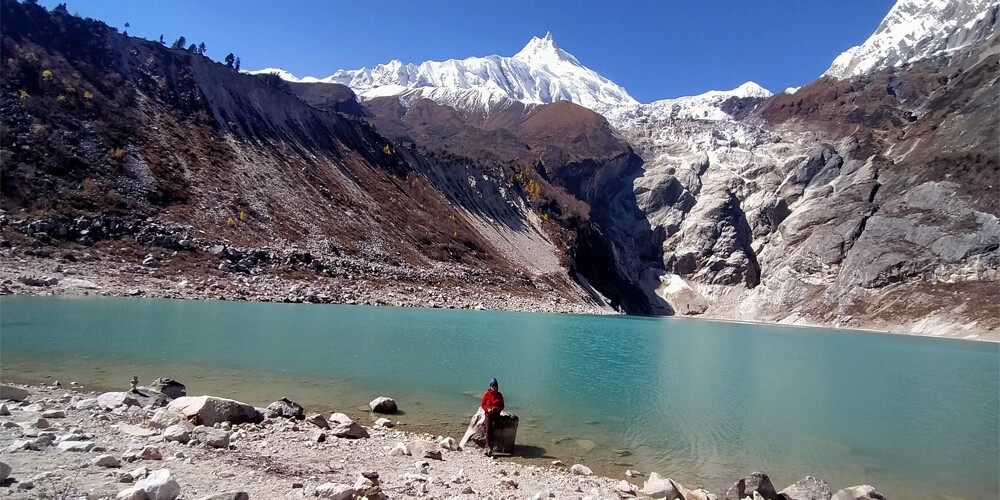
Birendra Tal is a dazzling freshwater lake lying at the bottom of the Manaslu Glacier, near Samagaon. The glacier-fed lake is at an elevation of 3,450 m and is a one-hour walk away from Samagaon.
Manaslu Base Camp (4,870 m/15,978 ft.)
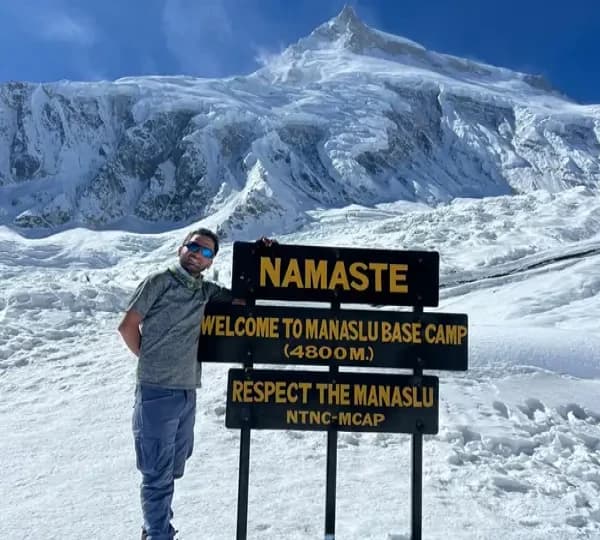
The mountaineering expeditions to snow-clad Manaslu set out from Manaslu Base Camp, located at an elevation of 4,870 m (15,978 ft.). Manaslu Base Camp is an acclimatization point for mountaineers who set up their tents there before heading off for the Manaslu ascent. The base camp offers incredible views of Himalayan peaks, including Manaslu, Cheo Himal, Himlung Himal, Nemjung, etc.
What to Pack for the Trek
You will go from warm valley mornings to freezing nights near the pass; pack in layers and keep the weight down.
| Category |
What to Bring |
| Head |
Sun hat, warm beanie, buff, UV sunglasses, headlamp with spare batteries, high-factor sunscreen. |
| Upper body |
Two moisture-wicking base layers, a long-sleeved sun shirt, a fleece or light down layer, a windproof shell, and a waterproof jacket. |
| Lower body |
Two pairs of trekking trousers, thermal leggings, quick-dry. |
| Hands |
Light liner gloves, insulated and down gloves, and waterproof outer gloves for wet weather. |
| Feet |
Broken-in waterproof boots with ankle support, gaiters, merino or synthetic socks in two weights, and a sandal for the lodge. |
| Gear |
Sleeping bag (rent or buy), trekking poles (rent or buy), a 50- to 60-liter pack with a rain cover, dry bags, water bottles, and purification tablets. |
| Health and hygiene |
Basic first-aid kit, blister care, toiletries, biodegradable soap, toilet paper, wet wipes, hand sanitizer, and personal medication. |
| Extras |
Power bank, camera, small quick-dry towel, snacks, a notebook, spare Nepali rupees. |
Take only what you need because everything in your pack has to climb to 5,000 meters. Learn more with the Nepal Trekking Equipment List: What to Pack for Your Trek.
Which Manaslu Trek Suits You?
There is more than one way to walk the circuit. The Manaslu Circuit Trek is a standard guided route, built with acclimatization days and a steady pace. If you would prefer better lodges and a softer pace, the Luxury Manaslu Circuit Trek lifts the comfort level along the way. For trekkers short on time, consider an 8-day Short Manaslu Circuit Trek itinerary, and those with spare days can add Tsum Valley to the circuit.
Frequently Asked Questions (FAQs) About the Manaslu Circuit Trek
Do I need a permit for the Manaslu Circuit Trek?
Yes, you’ll need three core trekking permits: the Manaslu Restricted Area Permit (RAP), the Manaslu Conservation Area Permit (MCAP), and the Annapurna Conservation Area Permit (ACAP). Other permits include a local Chumnubri Rural Municipality permit and a TIMS card. These are mandatory, and your trekking agency usually arranges them.
How difficult is the trekking in the Manaslu Circuit?
The trek is considered difficult, with rough trails, long walking days of approximately 5-8 hours each, and high altitude (reaching up to 5,106 meters at Larkya La Pass). A good level of fitness and some prior trekking experience are recommended.
What is the best season to trek the Manaslu Circuit?
The best seasons are spring (March to May) and autumn (September to November). These seasons are characterized by stable weather and less rainfall, which is ideal for trekking in the Himalayas.
Is the Manaslu Circuit Trek crowded?
Compared to the Annapurna Circuit or the Everest Base Camp trek, Manaslu is less crowded and more serene, offering a remote and breathtaking Himalayan experience.
Do I need a guide for the Manaslu trek?
Yes, you must book through an authorized trekking agency and hire a licensed guide, as the Manaslu Circuit Trek takes you deep into the restricted areas of the Manaslu region. This is also necessary for safety reasons.
Planning Your Manaslu Trek for 2027 or 2028?
Sort the permits early, pick your season, give yourself enough days to acclimatize, and pack light. Most other things on Manaslu look after themselves once you are on the trail. If you would like help choosing dates or an itinerary, the Global Adventure Trekking (GAT) team can walk you through the options. Contact us!