Langtang Valley Trek vs Annapurna Base Camp Trek: Two Very Different Himalayan Journeys
Both treks start and end in Kathmandu. Everything between those two points is different.
Langtang Valley Trek – 8 Days
Our Langtang Valley Trek is an 8-day walk into Langtang National Park, about 80 km north of Kathmandu in a straight line. Known as the "Valley of Glaciers", it follows the Langtang Khola River to Kyanjin Gompa (3,870 m), close to the Tibetan border.
The trek starts with a 7–8 hour drive through Trisuli Bazar and Dhunche. On Day 2, you climb through rhododendron, oak, and pine forest to Lama Hotel (2,380 m). Day 3 is the toughest walk: 14 km and 6–7 hours, past yak pastures, to Langtang Village (3,430 m).
Day 4 is a short three-hour walk along mani walls and moraines to Kyanjin Gompa. Day 5 is your acclimatization day, with a choice of Kyanjin Ri (4,773 m) or the harder Tserko Ri (5,033 m). You then retrace the valley to Syabrubesi and drive back to Kathmandu.
Some highlights of the Langtang Valley Trek include:
- Tamang villages, about 80% of the valley's settlements, with Tibetan-style stone homes
- Kyanjin Gompa monastery and the local yak cheese factory
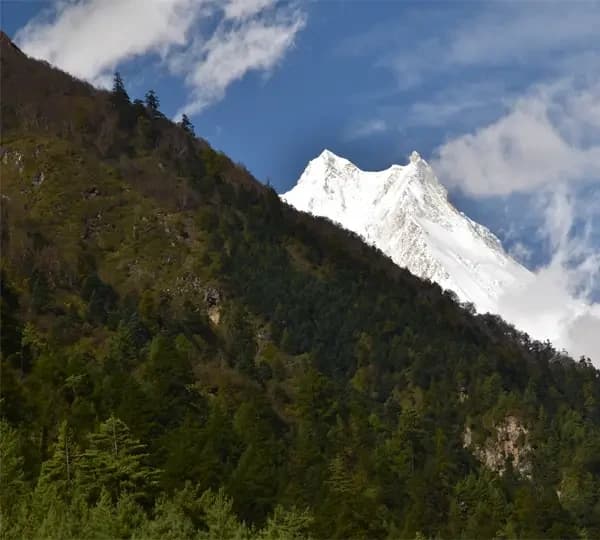
- Sunrise views of Langtang Lirung (7,227 m), Dorje Lakpa and Yala Peak
- Possible sightings of red panda, Himalayan black bear and grey langurs
Highest sleeping point: 3,870 m at Kyanjin Gompa (optional hike to Tserko Ri, 5,033 m)
Planning your paperwork? Our Langtang Valley permit guide explains what you need.
Annapurna Base Camp Trek – 13 Days
Our Annapurna Base Camp Trek is a 13-day journey into the Annapurna Sanctuary, a glacial basin walled in by giant peaks. It begins with a 6–7-hour tourist bus ride to Pokhara. You then drive to Tikhedhunga and climb stone steps to Ulleri (2,050 m).
Day 4 reaches Ghorepani (2,800 m), where you wake before dawn on Day 5 for the Poon Hill sunrise. Days 6 and 7 drop to Chhomrong (2,170 m) and climb to Himalaya Hotel (2,920 m). The trail rarely stays flat.
Day 8 climbs via Machhapuchhre Base Camp to ABC at 4,130 m. The descent runs through Bamboo to Jhinu Danda, where natural hot springs ease tired legs. Then you walk out to Nayapul and drive to Pokhara and on to Kathmandu.
Some highlights of the Annapurna Base Camp Trek include:
- Three destinations in one trek: Poon Hill, Machhapuchhre Base Camp and ABC
- Views of Annapurna I (8,091 m), Annapurna South (7,219 m), Machhapuchhre (6,993 m) and Hiunchuli (6,441 m)
- Gurung, Magar and Thakali villages along the way
- The Jhinu Danda hot springs on the way down
- Highest point: 4,130 m at Annapurna Base Camp
Want to know what to pack for the cold? Read our Annapurna Base Camp temperature guide.
Langtang Valley Trek vs Annapurna Base Camp Trek: Quick Comparison Table
The table below puts the key differences side by side:
| Factor |
Langtang Valley Trek |
Annapurna Base Camp Trek |
|
Duration
|
8 days |
13 days
|
| Trailhead |
Drive from Kathmandu (7–8 hrs)
|
Bus to Pokhara, then drive to Tikhedhunga
|
|
Highest sleeping point
|
Kyanjin Gompa, 3,870 m
|
ABC, 4,130 m
|
| Optional high point |
Tserko Ri, 5,033 m
|
Poon Hill sunrise
|
|
Grade
|
Moderate
|
Moderate
|
| Typical walking day |
5–6 hrs |
5–6 hrs
|
|
Rest day
|
Yes, at Kyanjin Gompa
|
No dedicated rest day
|
|
Permits
|
Langtang National Park |
ACAP
|
|
Culture
|
Tamang, Tibetan-influenced
|
Gurung, Magar, Thakali
|
|
Crowds
|
Quieter
|
Busier, more developed
|
| Hotels in package |
Teahouses only |
2 nights Kathmandu + 2 nights Pokhara
|
|
Price
|
Contact our team
|
Contact our team
|
Price from
US$349
US$655
Close to Katmandu, Far from Crowds
Next, we break down what these differences mean for you, starting with difficulty.
Quick answer: Langtang Valley Trek vs Annapurna Base Camp Trek in one line. Choose Langtang (8 days, 3,870 m at Kyanjin Gompa) for a quieter, Tamang-culture valley close to Kathmandu. Choose Annapurna Base Camp (13 days, 4,130 m) for a ring of giant peaks, a Poon Hill sunrise, and a Pokhara stay. Both are graded moderate and require no technical skills.
Langtang Valley Trek vs Annapurna Base Camp Trek Difficulty: The Honest Answer
Both treks are moderate, but ABC is the tougher of the two. It is higher (4,130 m vs 3,870 m), longer (13 days vs 8), and has steeper climbs and descents. Langtang is shorter, but it has a long Day 3 and an optional day above 5,000 m.
ABC's stone staircases, especially around Ulleri and Chhomrong, punish knees and quads. Langtang's challenge is steady height gain up a valley with fewer villages. Neither needs technical skills, but both reward real preparation.
Curious how ABC compares with a bigger objective? Our ABC vs Everest Base Camp comparison covers it, and the Everest Base Camp Trek is the step up.
Altitude Sickness on Both Treks
Altitude sickness can begin above 3,000 m on either route. On Langtang, you sleep at 3,870 m after only four walking days, then spend a rest day at Kyanjin Gompa. On ABC, symptoms often appear from around Day 5 or 6.
Here is the key difference from our itineraries: Langtang builds in an acclimatization day, while ABC does not. That makes slow, steady pacing on ABC's Day 8 (about 1,210 m of gain) essential.
Our guides give the same advice on both routes:
- Drink about 1 litre of water for every 500 m you ascend
- Avoid alcohol and smoking
- Eat carbohydrate-rich meals such as dal bhat
- Tell your guide about headaches, nausea, or dizziness immediately
Langtang Valley Trek vs Annapurna Base Camp Trek: Getting There, Permits and Cost
Langtang is one long road day each way. ABC splits the travel across Kathmandu, Pokhara, and the trailhead.
- Langtang: You travel by local jeep to the trailhead and return by public bus or shared jeep. A private jeep is an optional upgrade. Our Langtang package doesn't include Kathmandu hotel nights, so ask our team or see our hotel reservation service.
- ABC: You take a tourist bus to Pokhara, then a private vehicle on the trek's first and last legs. Upgrades include a private vehicle or a domestic flight, and our domestic ticketing service can help. The package includes two nights in Kathmandu and two in Pokhara.
- Permits: Langtang needs a Langtang National Park permit plus a TIMS card. ABC needs an ACAP permit plus a TIMS card. We arrange all of them, so you skip the government office queues.
- Cost: Price depends on season, group size, and add-ons like porters or private transport. For an accurate figure, contact our team, and we'll send a tailored quote.
Crowds, Comfort and Connectivity: Langtang Valley Trek vs Annapurna Base Camp Trek
ABC is one of Nepal's most developed base camp routes, with teahouses at regular intervals, hot showers, and Wi-Fi at most stops. Langtang is quieter, with simpler lodges and weaker connectivity as you climb. It's a choice between solitude and comfort.
A recent Langtang guest wrote that the trail had "less crowd and more beauty", a theme we hear often. On ABC, many trekkers enjoy swapping stories in the dining rooms.
Teahouses on both routes offer twin-sharing rooms and warm blankets, and menus feature dal bhat, soups, pasta, and momos. At altitude, choices shrink, but warm, filling meals are always available. Hot showers, charging, and Wi-Fi often cost extra and are not included in our packages.
Neither trail has ATMs, so carry enough Nepali rupees in small notes from Kathmandu.
A Day on the Langtang Valley Trek vs Annapurna Base Camp Trek
Days on both treks follow the same rhythm. You wake early, eat breakfast at your teahouse, and walk for a few hours before a lunch stop. On ABC, that is usually a teahouse on the trail. On Langtang's Day 2, lunch is at a Sherpa village. You then walk on to your lodge after about 5–6 hours in total.
Afternoons are for resting, exploring the village, or sipping tea with a mountain view. On ABC, dinner is served around 7 pm, and most trekkers are in bed soon after.
The exceptions are the sunrise days. The Poon Hill hike on ABC Day 5 and the Kyanjin Ri or Tserko Ri hike on Langtang Day 5 both start in the dark. Keep your headlamp within reach the night before.
Culture and Scenery
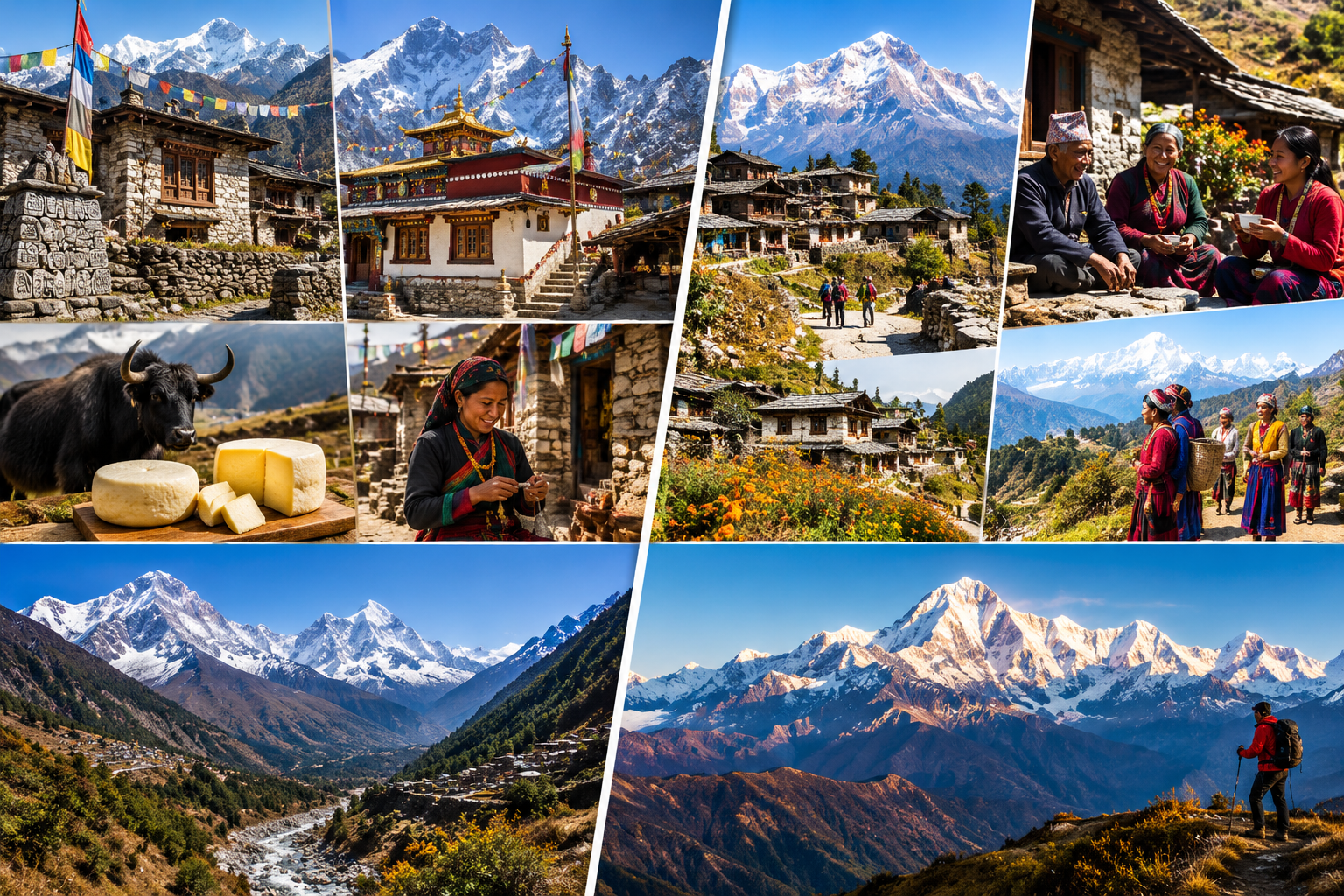
Langtang's culture is Tamang and Tibetan-influenced. You'll see flat-roofed homes with carved windows, mani walls, and prayer flags. Kyanjin Gompa is a quiet monastery, and the village is known for yak cheese.
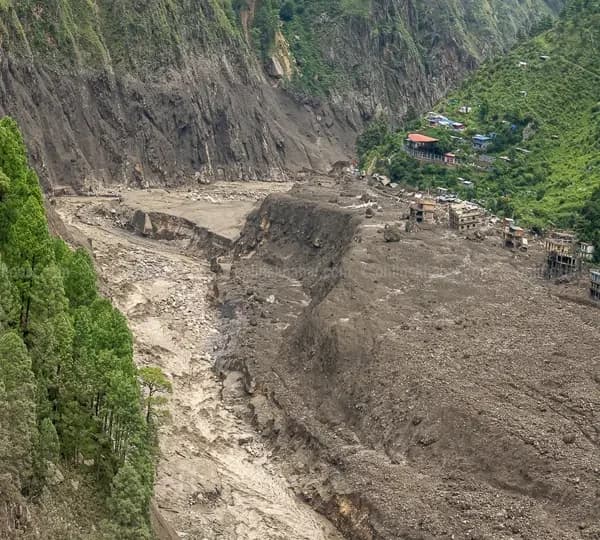
The valley also has a deeper story. Langtang was among the areas hardest hit by the 2015 earthquake, and today it has been rebuilt. Visiting is one of the most meaningful ways to support the community.
ABC's culture is more varied. You pass through Gurung, Magar, and Thakali settlements, each with its own architecture and hospitality. Chhomrong and Ghorepani are the highlights.
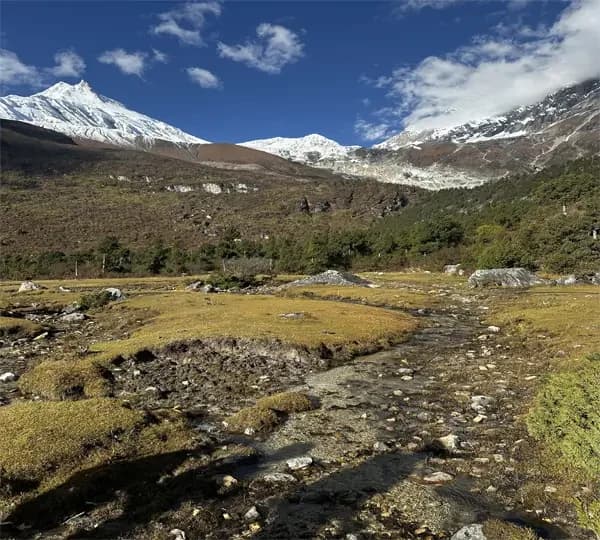
The scenery differs too. Langtang gives you a corridor of peaks: Langtang Lirung, Dorje Lakpa, Ganesh Himal and, from Tserko Ri, Shishapangma and the Tibetan Plateau. ABC gives you a 360° bowl around Annapurna I, Annapurna South, Machhapuchhre and Hiunchuli.
For more on what you may see and who you'll meet, read our guides to flora and fauna in Nepal and the people of Nepal.
Best Season for Each Trek
Spring (March to May) and autumn (September to November) are best for both. Skies are clear, temperatures are mild, and teahouses are fully open. Because the windows match, weather rarely decides the Langtang Valley Trek vs. Annapurna Base Camp Trek question.
Winter is possible but harder. We suggest ABC only up to December, as January and February bring extreme cold and fewer open lodges. Langtang in winter has icy paths and limited lodge availability.
Check conditions in our Climate of Nepal guide before you pick your dates.
How to Prepare for Either Trek?
Both treks reward trekkers who arrive fit. Start training at least two months before departure.
- Cardio: running, cycling, or stair climbing three to four times a week builds stamina for 5–6-hour walking days
- Leg strength: squats and lunges prepare your knees for ABC's stone steps and Langtang's steep Day 3
- Practice hikes: do a few long day hikes in the boots and pack you'll use on the trail
- Flexibility: yoga keeps your body loose and helps recovery between walking days
Break in your boots early, because blisters ruin more days on the trail than most people expect. Pack a headlamp, trekking poles, and layers for sharp temperature swings.
Your guide can review your packing list during our free pre-trek consultation, so you arrive with the right gear and nothing extra.
Langtang Valley Trek vs Annapurna Base Camp Trek: Which Suits Your Fitness?
Choose Langtang if you:
- Have about a week in Nepal
- Want a quieter trail and deep Tamang culture
- Can handle one long, steep day (Day 3)
- Like having an acclimatization day built in
Choose ABC if you:
- Have around two weeks
- Want a 360° mountain bowl, a Poon Hill sunrise and hot springs
- Enjoy a mix of villages, forests and stone-step climbs
- Want a Pokhara lakeside stay before and after
Both treks involve about 5–6 hours of walking most days. Build leg strength and cardio with running, cycling, or stair climbing. If you're new to trekking, do a few long day hikes first.
Be honest with yourself about your weak spots. If long downhill stretches trouble your knees, ABC's descent days (13 km on Day 9 and 12 km on Day 10) will test you. If you dislike long road journeys, Langtang's 7–8 hour drive each way may be the hardest part of your trip.
Not sure either fits? Browse our easy and short treks or the 6-day Short Annapurna Base Camp Trek. You can also plan your trip with our team.
Can You Combine Both or Extend Either Trek?
Yes. Many trekkers weigh the Langtang Valley Trek vs. Annapurna Base Camp Trek and then decide to do both. Start with Langtang, take the tourist bus to Pokhara, rest a day or two, then walk to ABC.
You can also extend each route. From Langtang, add the Gosainkunda Lake Trek or the Tamang Heritage Trail Trek. From ABC, consider the Annapurna Sanctuary Trek or the higher Tilicho Lake Trek.
Want a custom route? Customize your Langtang trek or customize your ABC trek, and we'll build around your dates and fitness.
Why Trek With Global Adventure Trekking?
Whichever side of the Langtang Valley Trek vs Annapurna Base Camp Trek debate you land on, who you trek with shapes the experience as much as the route.
- Certified guides: A government-certified Global Adventure Trekking guide on both treks, trained to spot altitude sickness early
- Small groups: Up to 12 trekkers, and private departures on request
- Proven record: Recommended by 99% of travelers, with 169 TripAdvisor reviews and 26 Google reviews
- Community impact: 5% of our income goes toward rural welfare
Learn more on our Why Travel with Us page, meet our team, or read client reviews.
Langtang Valley Trek vs Annapurna Base Camp Trek
If you have one week and want culture and quiet, choose Langtang. If you have two weeks and want the biggest mountain drama, choose ABC. If you're nervous about altitude on a first trek, Langtang's built-in rest day is a gentler start.
ABC suits trekkers who want comfort, company, and a hot-spring finish at Jhinu Danda. Langtang suits those who want fewer people and a closer connection with local communities.
Still undecided? Tell our team your travel dates, your fitness level, and what you most want to see. We'll help you choose between the two, and we can tailor either itinerary to fit your plans.
Conclusion
The Langtang Valley Trek vs Annapurna Base Camp Trek question has no wrong answer, only a better fit for your time, fitness, and taste. Langtang offers an 8-day valley of glaciers and Tamang culture near Kathmandu. ABC offers a 13-day journey into the heart of the Annapurna Sanctuary.
Ready to decide? View the Langtang Valley Trek – 8 Days and Annapurna Base Camp Trek – 13 Days pages. You can also contact us or WhatsApp +977 9841527688 for a free consultation and a personalised quote.
FAQs: Langtang Valley Trek vs Annapurna Base Camp Trek
1. Which is easier in the Langtang Valley Trek vs Annapurna Base Camp Trek comparison?
Langtang is generally easier because it is shorter and lower. ABC has more stone-step climbs and ends at 4,130 m with no rest day. Both are moderate and suit beginners who prepare.
2. How fit do I need to be?
You should be comfortable walking 5–6 hours a day for several days. Regular cardio, leg strength work, and a few long hikes before you arrive make a big difference.
3. How likely is altitude sickness on each trek?
Risk exists on both above 3,000 m. Langtang's acclimatization day at Kyanjin Gompa helps. On ABC, ascend slowly, hydrate, and report symptoms to your guide at once.
4. Which permits do I need?
Langtang needs a Langtang National Park permit. ABC needs an ACAP permit, and we arrange all of them for you.
5. When is the best time to go?
March to May and September to November suit both treks. Winter is colder, with fewer open lodges, especially on ABC in January and February.
6. What are the teahouses like?
Rooms are twin-sharing with warm blankets. ABC lodges are more developed, and many have attached bathrooms and hot showers. Langtang's are simpler but cosy.
7. Will I have Wi-Fi and phone charging?
Most lodges offer both, usually for an extra fee. Connectivity gets patchy higher up, especially in Langtang. Carry a power bank.
8. What should I pack?
Bring layers, a waterproof shell, sturdy boots, a headlamp, and trekking poles. We lend a sleeping bag and down jacket if required, plus a company duffel bag.
9. Do I need travel insurance?
Yes. Helicopter evacuation isn't included in our packages. Your policy should cover emergency evacuation to at least 5,000 m, which matters for Langtang's optional Tserko Ri hike.
10. Can I trek Langtang or ABC solo?
A solo ABC trek is possible, but we recommend a guide or porter for safety and a richer experience. Solo travellers are also welcome on our Langtang departures. We handle permits and logistics, so you walk with full support.
11. Can I hire a porter?
Yes. You can add a porter to either trek, and two trekkers can share one. Porters carry around 20 kg between the two of you. Ask our team for details.
More questions? Visit our general FAQs.