Patan and Bhaktapur Day Tour From Kathmandu: Overview
The Patan and Bhaktapur Day Tour from Kathmandu is one of the most rewarding one-day cultural experiences in Nepal, an unhurried journey through two of Asia’s best-preserved medieval cities in the Kathmandu Valley, where Newari art and architecture, such as water spouts (hiti), sacred shrines, stone ponds, and community rest houses (phalcha), and daily life still thrive. It is a private full-day UNESCO heritage sites tour that brings you face-to-face with remarkable temples, royal courtyards, and traditions that continue to shape the valley’s identity.
Morning in Patan: The City of Fine Arts
Your Patan and Bhaktapur city tour from Kathmandu begins in Patan, widely regarded as Nepal’s most intact historical city and a UNESCO World Heritage Site. As you step into Patan, known locally as Yala and celebrated as the ‘City of Fine Arts,' Patan Durbar Square presents a dense collection of shrines, temples, royal buildings, stone temples, and courtyards that showcase the finest of Newari architecture. This Lalitpur cultural tour highlights include the elegant Krishna Mandir, a glimpse of the living goddess Kumari, the beautifully detailed Hiranya Varna Mahavihar, and the iconic Patan Museum, often considered Nepal’s finest museum of Himalayan art. Nearby, traditional workshops reveal master craftsmen still shaping copper and bronze into sacred forms using techniques passed down through generations.
Afternoon in Bhaktapur: A Living Medieval City
After the Patan Durbar Square sightseeing tour, your afternoon unfolds in Bhaktapur Durbar Square, and the atmosphere shifts instantly. The five-tiered Nyatapola Temple rises above the square, the intricately carved 55-Window Palace (Pachpanna Jhyale Durbar) stretches across the courtyard, and the ornate Golden Gate stands as one of the finest artistic achievements in the valley. From here, your GAT-licensed guide leads you to Pottery Square, where artisans shape clay on traditional wheels, and through quaint Newari lanes filled with woodcarving workshops and small shrines. After these visits, you’ll stop for a relaxed lunch at a local restaurant.
Discovering Changu Narayan Temple
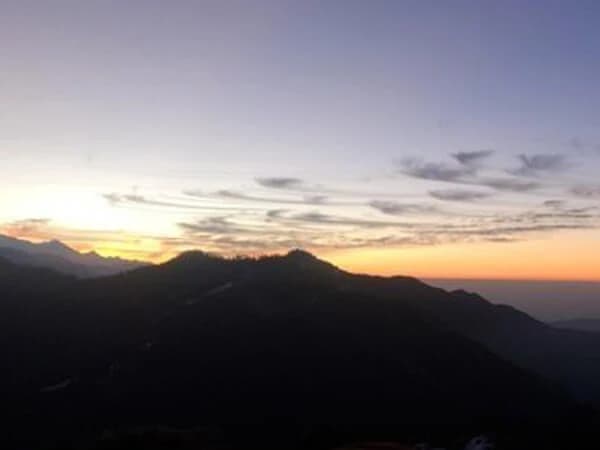
On the way, after a quick refreshment break, you may also take a short detour that takes you to Changu Narayan Temple, a lesser-visited gem perched on a forested hilltop. Dedicated to Lord Vishnu and dating back to the Lichhavi period, it is one of Nepal’s oldest temples, renowned for its exceptional stone carvings. This stop adds depth to the Nepal UNESCO World Heritage Sites journey, even though it’s brief, offering insights into the valley’s early history that many travelers miss. You can go for the short hike from here and stop at a Nagarkot stay for the best sunrise.
What Sets this Tour Apart
Your guide from Global Adventure Trekking brings each location to life with stories, history, and local insight that go far beyond standard sightseeing. The pace remains relaxed, the group stays small, and the experience feels personal rather than rushed.
Extend your Time in the Valley
If you have more time in Kathmandu, you can easily extend your experience with a full Kathmandu Valley cultural tour. A Kathmandu Day Tour typically includes four World Heritage Sites like Swayambhunath Stupa, Bouddhanath Stupa, Pashupatinath Temple, and Kathmandu Durbar Square, offering a deeper look into Nepal’s spiritual and historical heart. Combined with the Bhaktapur and Patan Heritage tour, it gives you a complete and well-rounded understanding of the valley’s rich heritage in just a couple of days.
GAT offers packages that include more natural and cultural experiences, such as the Nagarkot Day Tour; the Chandragiri Day Tour with a cable car; a street food tasting day tour; a visit to 7 UNESCO World Heritage Sites; and many other packages that might match your travel style.
As a whole, the One-Day Patan and Bhaktapur Day Tour with Global Adventure Trekking can be one of the best decisions to make if you love exploring culture, tradition, and learning about the history of different places. Secure your spot now and explore Nepal’s finest cultural treasures with ease. Book Now!
Highlights of Patan and Bhaktapur Day Tour
- Visit two of the most popular UNESCO World Heritage Sites in 1 day, Patan and Bhaktapur.
- Learn about the fascinating history of Kathmandu and the royal kingdoms that once ruled the valley.
- Explore exquisitely preserved historical cities Patan and Bhaktapur.
- Experience the authentic Newari lifestyle, traditions, and daily rituals.
- Enjoy the chance to taste unique and flavorful Newari cuisine (Newari Khaja Set, Aila, Yomari, Bara, Chatamari, Alu Tama, and more), Juju Dhau (King Curd), and local drinks (Aila and Thwon).
- Visit the famous Patan Museum, which features antique carvings, bronze statues, and Himalayan art.
- Watch traditional pottery making at Pottery Square using age-old techniques.
- See historic stone spouts and traditional water systems still found in the valley.
- Capture authentic street life and cultural moments in both cities (Bhaktapur and Patan).
- Discover Nepal’s oldest temple, Changu Narayan.
- Learn authentic stories, myths, and history behind traditional monuments.
- Enjoy a fully guided experience with a licensed local expert from Global Adventure Trekking.
- Perfect for short stays, layovers, and first-time visitors to Kathmandu.
- A chance to delve deeper into the historical and cultural heritage of Nepal.
- Tourists can learn a lot about Nepal, especially Kathmandu's history and the kingdom that once ruled here.
- You will also indulge in the unique Newari lifestyle, culture, and tradition.
- Interact with the locals to get more insights into these places and their significance.
- It is the perfect way to spend a day without being bored, but getting to know so many more of new things.
Major Attractions: Bhaktapur and Patan Full-Day Sightseeing Tour
Patan Durbar Squares: Highlights
The ancient city of Lalitpur lies in Patan Durbar Square, a UNESCO World Heritage Site and one of the most amazing architectural spaces in South Asia. This historic square is filled with temples, open courtyards, and royal palaces built during the Malla kingdoms, where every detail reflects mastery and artistic excellence.
Patan Museum: Nepal’s Finest Collection of Himalayan Art
Patan Museum is widely known as the finest museum in Nepal, located inside the former royal palace. It displays an outstanding collection of bronze statues, Buddhist iconography, wood carvings, stone sculptures, and religious artifacts, offering deep insights into the art, culture, and spiritual tradition of the Kathmandu Valley.
Patan Krishna Mandir (Temple)
The popular Krishna Temple stands at the center of the square and is one of the most celebrated monuments in all of Nepal. It was built in 1637 by King Siddhi Narsing Malla entirely from stone. This shikhara-style temple features detailed sacred word carvings on stones from Hindu epics like the Mahabharata and the Ramayana. As an ancient local, King Siddhi Narsing Malla had a vision of Krishna and Radha standing on this very spot and ordered the temple built in their honor. Patan Krishna Mandir is the most photographed and most spiritually significant place in Patan.
Golden Temple: Hiranya Varna Mahavir
Hiranya Varna Mahavir, known as the Golden Temple, is a stunning hidden monastery. The main courtyard is covered in gilded copper, from the rooftops to the shrine facades, creating an amazing golden glow. A unique and long-standing tradition here is the sacred tortoise kept in the central water tank, cared for by local families in a continuous practice that has been passed down for generations. You need an expert guide to discover this destination in Patan.
Kumbheshwor Temple
The Kumbheshwor Temple is one of the oldest and most important temples in Patan, rising above the northern part of the city. A sacred temple devoted to Lord Shiva, the five-story pagoda temple is fourteen centuries old and is one of only two temples of its kind in Nepal, alongside the famous Nyatapola Temple.
What makes Kumbheswor especially sacred is the water tank, which is believed to be connected to the holy Gosaikunda lake in the Himalayas. Thousands of devotees visit the temple to bathe in the sacred water during the Janai Purnima festival.
Mahabouddha Temple: Temple of Thousand Buddhas
Hidden in the backstreets of Patan, Mahabouddha Temple is one of the most unique and eye-catching monuments in the Kathmandu Valley. Built in the Shikhara style, which is rare in Nepal, this tall temple is covered with thousands of small terracotta tiles, each featuring an image of the Buddha. This temple is also known as the “Temple of Thousand Buddhas”.
The surrounding courtyards add to its charm, with traditional bronze and stone workshops where local artisans continue centuries-old metalworking skills. It is a quiet yet fascinating spot that blends religious significance with everyday craftsmanship, offering a different and memorable side of Patan.
Rudra Varna Mahavir: Uku Bahal
Rudra Varna Mahavir, locally known as Uku Bahal, is the oldest and most important Buddhist monastery in Patan. Tucked away in the old city, it is a hidden cultural gem that many visitors miss, yet it offers one of the richest experiences of traditional Newari art and architecture.
The courtyard is a treasure trove, filled with intricate wood carvings, metalwork, and bronze statues of deities and sacred figures. Unlike typical tourist sites, this is still a living monastery where daily religious activities continue, making your visit feel more authentic.
Rato Machendranath Temple
Rato Machendranath Temple is one of the most culturally significant temples in the Kathmandu Valley. The god of rain and harvest, Machhendranath, is worshipped by both Hindus and Buddhists, reflecting the religious harmony of the valley.
The temple is best known as the center of the Rato Machhendranath Jatra, one of Nepal’s longest and most vibrant festivals. A massive chariot carrying the deity is pulled through the streets of Patan in a tradition that has continued for decades. The temple itself, with its classic pagoda design and nearby shrines, offers deep insights into local faith, culture, and living traditions that are pure to this religion.
Bhimsen Temple
Bhimsen Temple is located at the northern end of Patan Durbar Square. Lord Bhimsen, the powerful Pandava warrior from the Mahabharata, is worshipped as the god of trade and business in Nepal.
What makes this temple different is its open ground floor, which serves as a public space rather than a typical shrine, while the main deity is housed on the upper levels. Surrounded by busy streets and local activity, it has long been a hub of commerce and remains one of the most lively and culturally rich spots in Patan.
Pimbahal Pond
Pimbahal Pond is a small, historic water tank nestled away from the busy roadways of Patan. Covered with traditional Newari houses and a small temple reflected in the water, it offers a peaceful and calm space in the city.
Away from the main tourist areas, this hidden place offers a chance to slow down and experience a different side of Patan. It may be a short stop, but it’s perfect for relaxing, observing local life, and capturing candid photos that most of the visitors miss.
Bhaktapur Durbar Square: Highlights
Bhaktapur is one of the main highlights of the tour and the most impressive medieval squares in Asia. A UNESCO World Heritage Site since 1979, it was once the royal seat of the Malla kings and remains one of the best-preserved historic squares in the region. Life here still feels local and authentic, with temples, markets, wood and metal crafts, brick-paved streets, and daily routines blending into centuries-old architecture. Known historically as Bhadgaon, it is the third-largest city in Nepal.
Bhaktapur Durbar Square is home to iconic landmarks such as the Pachpanna Jhyale Durbar (55-Window Palace), a masterpiece of fifteenth-century Newari wood carving, and the locally known Sun ko Dhoka, which once led to the sacred Taleju Bhawani Temple complex and the statue of King Bhupatindra Malla.
Bhaktapur Square is also known as the capital of music and dance, where Biska Jatra is celebrated during the Nepali New Year and Saparu (Gai Jatra), a special carnival. Bhaktapur is also famous for its cultural atmosphere, traditional Newari lifestyle, Newari language, and local specialties such as Juju Dhau, making it not just a historical site but a living cultural experience that blends heritage, craftsmanship, and daily life in the best way.
Nyatapola Dewal Temple: Enjoy Taumadhi Square
Dominating the skyline is the Nyatapola Temple, one of the tallest temples in Nepal, admired for its impressive five-tiered structure and exceptional architectural balance. It has broad staircases flanked by pairs of stone guardians on every step. Remarkably, Nyatapola has stood resilient for over three centuries during earthquakes, a lasting testament to the genius and skill of the Newari builders who shaped its stones.
55-Window Palace: 55 Jhyale Durbar
The historic 55-Window Palace is a prime example of traditional Newari hand craftsmanship. Built during Bhupatindra Malla’s period, it features a unique facade adorned with fifty-five intricately carved wooden windows, each showcasing artistry. Once the royal residence and administrative center of the Malla kings, the palace stands as a symbol of Bhaktapur’s rich culture and is the most photographed structure.
Pottery Square - Talako Tole: Living Tradition of Newar Craftsmanship
Just a short walk from Bhaktapur Durbar Square, the Bhaktapur Pottery Square Tour in Nepal is one of the most raw cultural experiences in the Kathmandu Valley. This open brick courtyard is where local potters from the Prajapati community continue their daily work, shaping clay, drying pots in the sun, and firing them using traditional methods passed down through generations. You’ll often see rows of freshly made pots spread across the square, along with artisans carefully forming each piece on a spinning wheel.
What makes this place special is its authenticity. It is not created for tourists; it is simply everyday life in the Bhaktapur area. You’ll learn how pottery plays an important role in Newari culture with your guide, and if you are interested, you can even try using the wheel yourself. It is a simple but memorable experience that gives you a real connection to local traditions.
Visit Changu Narayan Temple
Set on a serene hilltop above the Bhaktapur Valley, Changu Narayan Temple is one of the most important temples in Nepal. Local people worship Lord Vishnu in this temple, which dates back to the 4th and 5th centuries during the Lichhavi period, making it older than most heritage sites in the Kathmandu Valley. Changu Narayan Temple is recognized as a UNESCO World Heritage Site and offers a peaceful and less crowded experience compared to other popular landmarks.
The temple complex feels like an open-air museum, filled with ancient stone carvings and statues of Vishnu in different forms, including Vishnu Vikrantha and Trivikrama. These artworks are considered some of the finest examples of early Nepali craftsmanship. Changu Narayan is a hidden gem that adds real depth to the tour and is often missed by many visitors.
Taleju Bhawani Temple
Taleju Bhawani Temple is located in the palace complex; the temple is an honor to the royal goddess, the protector deity of the Malla kings. Although entry is limited, its culture and religious importance are deeply rooted in Nepal’s history, especially during festivals and royal rituals.
Bhairav Nath Temple
The Bhairav Nath Temple is associated with Lord Bhairav, a fierce form of Lord Shiva. This temple is known for its powerful spiritual presence and plays an important role during local festivals, especially on Bisket Jatra. It reflects the strong connection between religion, community, and tradition in Bhaktapur.
Explore the National Art Museum: Bhaktapur.
Located within historic Bhaktapur Durbar Square, the National Art Museum is a prominent cultural institution. The museum is housed in the former royal palace, the 55-Window Palace. It holds one of the finest collections of traditional Nepali art, including sacred Paubha (Nepali scroll paintings) and Thangka paintings that have played an important role in both Hindu and Buddhist traditions for centuries. Visitors can explore Bhaktapur’s rich artistic heritage, woodcarvings, metalwork, and manuscript illustration beyond paintings. It also features a center for art conservation and education, offering insights into the history and techniques of Nepali art, making it a valuable destination for scholars, artists, and tourists. Visiting here adds deeper meaning to your one-day heritage tour in Kathmandu.
Siddha Pokhari
Sidhha Pokhari, also known as Ta Pukhu, is one of the largest and most historic ponds in Bhaktapur, located near the main city entrance. This pond was built during the reign of King Yaksha Malla in the 15th century; this rectangular water tank once played an important role in the city’s water supply and daily life. Even today, it remains a peaceful spot where locals gather, feed fish, and unwind from the busy streets.
Surrounded by stone steps and open space, Siddha Pokhari offers a calm contrast to the crowded squares and temples of Bhaktapur. It is lively during festivals and local people gatherings, giving visitors a chance to see everyday life and community traditions up close.
If you feel like this cultural tour is for you, reserve your seat now!
Festivals in Patan and Bhaktapur: Best Time to Visit
Exploring Bhaktapur and Patan during festival time turns regular sightseeing into something far more powerful. The streets, temples, and courtyards come alive with rituals, music, processions, and local celebrations, giving you a real glimpse into the living culture of the Kathmandu Valley.
Major Festivals You May Experience on This Tour:
Bisket Jatra: April (Nepali New Year)
Bisket Jatra is one of the most exciting festivals in Nepal, celebrated during the Nepali New Year with the color orange, along with Newari music and dance. Massive wooden chariots of Bhairab and Bhadrakali are pulled through the streets in a dramatic display of tradition and community spirit.
Rato Machindranath Jatra (April to June)
One of the longest festivals in Nepal, this celebration in Patan features a huge 60-foot-tall wooden chariot, built with timber and bamboo, carrying the red rain god Machhendranath, symbolizing prosperity, harvest, and devotion.
Indra Jatra (September)
A valley-wide celebration including Patan and Bhaktapur, featuring Lakhey dances (masked man dances) and chariot processions of gods Ganesh, Bhairav, and the Living Goddess Kumari, along with Pulukesi and other traditional musical performances.
Gai Jatra (Festival of Cow) (August)
The Gai Jatra festival is a unique and interesting celebration that blends humor, remembrance, and community. This festival of cows is celebrated by the families who have lost their loved ones and participate in colorful attire in the streets with performances. The family members of the dead person offers some sweets, food, and milk to the street participant. One of the most vibrant festivals.
Krishna Janmastami (August)
Krishna Janmashtami is especially celebrated for the birth of Lord Krishna. The celebration lasts the whole night, with devotees gathering together, performing prayers with music, and offering dance performances for the god Krishna at Krishna Mandir, Patan. The temple is decorated with lights, flowers, and peacock feathers.
Dashain and Tihar (Autumn: September, October, and November)
Dashain and Tihar are the biggest festivals in Nepal. All the families gather together, eat together, worship together, visit temples, have beautiful light decorations everywhere, play cards, enjoy time with families, and give you the true essence of togetherness.
Why Festival Matters for Your Patan and Bhaktapur 1-Day Tour
Traveling during these festivals transforms your visit from a sightseeing city tour into a cultural experience. You are not just exploring temples; you see them in use, filled with rituals, traditional parts of the community, music, and local life. If your timing is flexible, planning your trip around one of these festivals can make your Patan and Bhaktapur tour far more memorable and meaningful.
Traditional Newari Food to Try in Patan and Bhaktapur
One of the most enjoyable parts of these two major UNESCO World Heritage Sites, Patan and Bhaktapur, is experiencing authentic, mouth-watering cuisine along the way. These cities are known for their rich food culture, where traditional recipes are still prepared in local homes and small family-run restaurants.
A must-try special food in Bhaktapur:
Juju Dhau (King Curd): a creamy and slightly sweet yogurt served in a traditional clay pot.
Bara (Wo): Newari snacks, a thick lentil pancake (made with whole black gram and green gram/beans).
Yomari: A steamed sweet rice dumpling (using a filling of chaku and khuwa).
Chatamari: Newari pizza (Newari-style rice crepe with a variety of topping options)
Aalu Achar: Spiced potato salad
Kwati: A nutritious soup made with nine types of beans.
Lakhamari: A crunchy, sweet fried bread, mostly used for special events in the Newari community.
Choila: Spiced grilled buffalo meat.
Traditional Beverages: Aila (locally distilled spirit) or Thwon (rice beer)
A must-try special food in Lalitpur, Patan:
Samay Baji: A traditional Newari platter (flattened rice, fried black soybeans, lentil pancake, rice pancake, chhoila, finely chopped ginger, fried boiled egg, fried fish, pickled boiled beans, bamboo shoot soup, spicy potato salad, greens, Newari wine, and other vegetables, with more dishes).
Bara: Lentil patties (topping option: meat and egg).
Chatamari: A rice-flour crepe.
Kachila: Raw, finely minced buffalo meat seasoned with spices.
Sukuti: Spiced dried meat.
Kar Thwon: Local red rice beer.
Yomari: A steamed rice dumpling, filled with molasses (chaku).
Food on this tour is not just a meal stop; it is a part of Nepal’s Newari culture and tradition, which is close to every Nepalese person. Experience Newari culture now!
What to Expect on the Patan and Bhaktapur Day Tour?
Your Kathmandu sightseeing tour begins early with a pickup in a private air-conditioned vehicle from your hotel in Kathmandu by our GAT’s knowledgeable guide around 9:00 AM, giving you a head start before the crowds arrive. Reaching Patan in the quiet morning hours makes a real difference; you’ll see the city waking up, locals going about their routines, and the temples glowing in soft light. It sets a calm and authentic tone for the rest of the day.
This full-day heritage tour in Patan and Bhaktapur is designed to move at a comfortable, human pace rather than rushing from one site to another. You’ll have time to explore legendary places like Patan Durbar Square and Bhaktapur Durbar Square, but also to slow down, wander into side streets, and notice the small details that make these cities special. Expect a moderate amount of walking on mostly flat paths, suitable for most visitors, with plenty of breaks to rest, observe, and capture pictures.
A key part of the private guided tour of Patan and Bhaktapur, Nepal, is your licensed local guide, who brings each place to life with stories, histories, and personal insights. This travel is not just about facts; it’s about understanding the deeper culture of the Kathmandu Valley. You’ll enjoy extraordinary local moments, like watching artisans at Pottery Square, visiting courtyards, tasting Juju Dhau (king curd), and exploring a local restaurant serving a variety of Newari food and drinks for lunch. You’ll have a chance to witness a balanced perspective on Nepal’s history, from its artistic achievements to its challenges.
By the end of the day, after discovering Bhaktapur and its artistic heritage, you’ll drive back in around 4:00 PM to your hotel in Kathmandu in the early evening. Your seven-hour walking tour to UNESCO World Heritage Sites leaves a lasting impression on most of our previous travelers, who leave with a deeper appreciation of Nepal’s culture and often wish they had more time to explore even further.
Note: If any site is temporarily closed or under renovation during your tour, your guide will smoothly adjust the itinerary and include a suitable alternative nearby. In heritage areas, there are many temples, courtyards, and cultural spots to explore, so your experience remains complete and fulfilling without disruption.
Why Choose This UNESCO Heritage Day Tour?
If you have a limited time but want a deep cultural experience, this Newari cultural tour from Kathmandu is one of the smartest choices in the valley. You explore two of Nepal’s most important UNESCO World Heritage cities, Patan and Bhaktapur, in just one day without feeling rushed. It’s a well-balanced mix of history, architecture, and local life, making it perfect for first-time visitors and culture-focused travelers.
What makes this tour stand out is its experience itself. You’re not just visiting monuments; you are walking through living cities where traditions are still part of daily life, from artisan workshops to local food and festivals. With a GAT-licensed guide, comfortable transport, and a relaxed pace, this one-day tour to Bhaktapur and Patan in Nepal feels easy and meaningful from start to finish. If you want a complete introduction to Nepal’s heritage in a short time, this tour offers excellent value and a genuinely memorable experience.
Who can go for the Patan and Bhaktapur Day Tour?
There are no age, weather, or any other restrictions or obstacles to going for the Patan and Bhaktapur day tour. Instead, we recommend everyone who is in Nepal, even if you are here for some other activities like trekking, expedition, corporate meeting, or even a family vacation, to go for this tour in the Kathmandu Valley. As this is a tour to two of the significant traditional and cultural hubs of the Kathmandu Valley, the suitability of this tour package completely depends upon whether you are into culture, tradition, and history or not.
Besides, we recommend everyone take their children on the Patan and Bhaktapur One-Day Tour because there's so much they can learn. Your children can understand about the long history of Nepal, especially the Kathmandu Valley. If you have elderly people in your family, the day Bhaktapur and Patan Tour package can be perfect for them to delve deeper into the Hindu and Buddhist religions.
Why Travel with Global Adventure Trekking (GAT)?
Global Adventure Trekking has been serving as one of the highly trusted tour and travel agencies in Nepal for more than 30 years. As a company registered with all government authorities in Nepal and affiliated with the Trekking Agencies Association of Nepal (TAAN). With highly seasoned tour experts, we make sure to offer the best of adventure, insights, and exploration to anyone who goes on any tour or trek with us. Furthermore, with Global Adventure Trekking, travelers can also lay their hands on a perfectly curated trek or tour package while keeping affordability, safety, and satisfaction as the center point of thought.
Other than that, there are several more reasons why we recommend you choose us for the one-day Pokhara and Bhaktapur tour package booking:
- 30 years of experience leading authentic travel across Nepal.
- With Global Adventure Trekking, you will be in for one of the safest, most exciting, and most affordable tours to Patan and Bhaktapur.
- The professional and seasoned guides from GAT will make sure to properly guide you during the tour and also give you insights into different spots that we visit.
- We will also make sure to arrange safety-checked vehicles driven by experienced drivers with valid licenses.
- As the tour package is designed by experts, you will get enough time to explore both places properly and thoroughly.
- Our guides will also help you interact with the locals in both spots, as they will have fluent English.
- Global Adventure Trekking also provides a logo-printed trekking T-shirt as a souvenir for travelers.
- Our guides will also carry first aid kits if there are any emergencies
- A genuine commitment to quality, trust, and a meaningful journey.
- Flexible itineraries designed for first-time travelers, families, and solo travelers.
- Tailored to your personal interests, pace, and travel style.
- We don’t just show you Nepal; we help you to feel it.
Choosing Global Adventure Trekking means travelling with a company that values quality, trust, and authentic experiences across Nepal.